Artificial intelligence

How Restoration Companies Are Using AI and IoT to Transform Emergency Response

portland cleaning and restoration services

The restoration world no longer runs on guesswork and fast reflexes. For decades, your success hinged on getting trucks to the scene quickly and trusting visual inspections. That playbook is now obsolete.

The new competitive edge belongs to companies that can predict disasters, deploy resources before the first call comes in, and document every step with ironclad data.

AI and IoT are not futuristic luxuries anymore. They are the baseline for survival in an industry where minutes determine whether you contain the damage or watch a minor leak cascade into six figures of mold remediation.

The restoration firms thriving right now are the ones feeding algorithms instead of paper logs.

Cut Response Time With AI

Weather patterns and historical loss data can now position your crews in high-risk zones before disaster strikes. Algorithms crunch years of claims history to identify neighborhoods most vulnerable during storm systems. When the rain finally hits, your trucks are already parked three blocks away instead of scrambling across town.

Route Optimization

Traffic congestion destroys mitigation timelines. AI route planners adapt in real time to accidents, road closures, and construction delays. Deloitte reports that AI-driven predictive maintenance and scheduling can increase equipment uptime by up to 25% while reducing maintenance costs by 10-40%. When applied to restoration logistics, shaving even five minutes off your arrival can mean the difference between drying out drywall and tearing it out.

Resource Allocation

Sending insufficient gear costs you a second trip and client trust. AI parses initial damage reports to recommend exact equipment loads. The system learns what a Category 3 water loss in a 2,400 square foot ranch typically requires and auto-generates your equipment manifest before the truck leaves the bay.

Stop Leaks Fast With Smart Valves

Your profit comes from cleanup, but your clients save fortunes on prevention. Smart water valves act as the first responder before you even get the call. These systems monitor flow rates continuously and kill the water supply the instant anomalies appear.

  • Automatic Shutoff: Flow sensors detect abnormal patterns and sever water supply instantly, turning catastrophic floods into manageable puddles before significant damage spreads through the structure.
  • Insurance Incentives: 93% of water leaks can be prevented with proper shutoff systems, making these devices attractive to carriers who offer premium discounts for proactive protection.
  • Remote Control: Smartphone apps give property owners instant control over their main water line from anywhere, critical for vacant properties and vacation homes where leaks go unnoticed for weeks.
  • Integration Capacity: These valves link directly to alarm systems and can trigger immediate notifications to your Water Damage Specialist team the moment trouble starts, putting you on site before major damage occurs.
  • Flow Monitoring: Micro-leaks drain thousands of gallons monthly without visible signs. Smart valves track usage patterns to flag pinhole leaks six weeks before pipes burst, giving clients time to repair proactively.

Installing these systems shifts your role from emergency responder to property health manager. You build recurring value and strengthen client relationships beyond the crisis.

Catch Mold Risk Before It Spreads

Mold spores activate within 24 to 48 hours of materials getting wet. Daily site visits leave 23 hours unmonitored. IoT humidity sensors stream environmental data continuously. If a dehumidifier fails at 2 AM, your phone alerts you at 2:01 AM instead of discovering the problem during your 9 AM check.

The Cost of Inaction

Studies show that $1 spent on disaster risk reduction delivers an average return of $15 in terms of averted future disaster recovery costs. This ratio applies directly to mold prevention. Catching a humidity spike early costs you a service call. Remediating black mold later costs tens of thousands and potential litigation exposure.

Remote Adjustments

Smart dehumidifiers allow remote fan speed adjustments. When sensors detect stalling drying curves, you can increase extraction without dispatching a technician. This keeps drying progress on schedule, reduces labor costs, and demonstrates proactive management to adjusters reviewing your invoices.

Map Damage Quickly With 3D Scans

Tape measures and hand sketches create disputes. Adjusters challenge your square footage calculations. Property owners question wall placements. 3D LiDAR scanning eliminates ambiguity by creating indisputable documentation of site conditions with millimeter precision.

LiDAR Accuracy

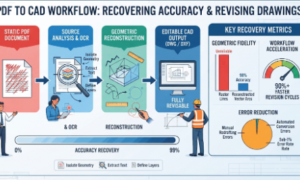
For most applications in real estate and facilities, ±10-20mm accuracy is more than sufficient. Most measurements in the final CAD file generated are within 1-2% of what’s verified manually by tape measure, laser range-finder, or existing blueprint. This precision eliminates arguments over square footage and ensures accurate material estimates.

Virtual Walkthroughs

Create a complete digital replica of the damaged property. Adjusters can inspect every room from their desks without booking flights. This accelerates approval timelines because they verify damage extent without scheduling site visits, cutting days or weeks from your payment cycle.

Time Savings

Field crews spend hours measuring and sketching rooms. LiDAR scanners capture complete building data in minutes. Your technicians can focus on water extraction and equipment placement instead of documentation tasks, increasing billable productivity per crew.

Find Hidden Moisture With Thermal Scans

Water hides. It travels behind walls, pools under flooring, and soaks insulation where eyes cannot reach. Thermal imaging reveals these invisible threats before they undermine structural integrity or trigger mold growth in concealed cavities.

  • Evaporative Cooling: Wet materials register cooler than surrounding dry surfaces due to evaporation. Thermal cameras visualize these temperature differentials instantly, showing exactly where moisture lurks behind finished surfaces.
  • Non-Invasive Inspection: Locate water intrusion without demolishing walls or removing flooring. This saves property owners thousands in unnecessary reconstruction and strengthens your reputation for precision rather than destruction.
  • Accuracy Boost: Thermal imaging should be used in conjunction with a moisture meter to identify moisture intrusion problems, and once a potential trouble spot is located through thermal imaging, the problem can be verified with the moisture meter. This dual-tool approach dramatically improves detection reliability over visual inspection alone.
  • Early Detection: Thermal anomalies appear weeks before visible staining manifests on surfaces. Early identification allows intervention before cosmetic damage forces expensive restoration work beyond simple drying protocols.
  • Client Confidence: Showing homeowners the cold blue signature on your thermal screen builds instant credibility. They see the problem you are solving rather than trusting your verbal assessment.

Thermal imaging transforms hidden threats into visible targets. It provides the forensic evidence needed to justify scope expansion to both skeptical clients and penny-pinching adjusters.

Send Safer Crews Using Site Cameras

Structural instability and biohazards make some sites too dangerous for immediate entry. Battery-powered wireless cameras let safety officers assess hazards without exposing personnel to collapsing ceilings, toxic floodwater, or compromised floors. You gather critical intel before boots hit the ground.

Reducing Site Visits

Safety audits traditionally require senior managers on-site. Remote camera access eliminates unnecessary dangerous inspections. You verify proper PPE usage, confirm safety protocol compliance, and monitor site conditions from your office, reducing liability exposure for your leadership team.

Security Monitoring

Vacant damaged properties attract thieves targeting copper, appliances, and equipment. Site cameras deter looting and document any security breaches. This protects your deployed dehumidifiers and air movers while safeguarding the homeowner’s remaining valuables from opportunistic criminals.

Scout Hazard Zones With Robots

Aerial drones capture high-resolution imagery of roofs and disaster zones in minutes. They access areas unsafe for ladder work, keeping estimators grounded. This technology documents damage extent without risking falls or structural failures that injure your personnel.

Rover Bots

Ground robots navigate flooded basements to test water depth and contamination levels. They act as mechanical scouts, transmitting data that determines whether your crew needs hazmat suits or standard water extraction gear. This intelligence protects technician health and safety.

Hazard Assessment

Robots equipped with gas sensors detect carbon monoxide, natural gas, and explosive vapor concentrations. They confirm air safety before your team enters confined spaces, preventing poisoning and explosion risks that create workers compensation nightmares.

Speed Claim Approval With Auto Reports

The industry bottleneck is rarely drying capacity. It is documentation delays. Adjusters drowning in paperwork delay approvals. AI-generated reports slash claim cycle times from weeks to hours by delivering exactly what carriers need immediately.

  • Automated Line Items: AI reads site photos and notes to generate Xactimate estimates automatically. This eliminates manual data entry errors and ensures billing consistency across all your projects.
  • Photo Recognition: Algorithms identify damaged materials in your images and label them without manual input, tagging wet drywall, saturated insulation, and affected flooring automatically.
  • Faster Settlements: Forty-six percent of insurance claimants say payment velocity is their top priority, eclipsing concerns like convenience, choice or security. AI documentation gives adjusters immediate access to complete loss details, accelerating their approval process.
  • Fraud Prevention: Digital logs create immutable audit trails with timestamps, GPS coordinates, and photo metadata. This transparency reduces adjuster skepticism and eliminates disputes over what work occurred when.
  • Specific Restorations: Detailed automated reports prove necessity for specialized services like wet flooded carpet restoration, documenting every protocol step to justify your invoice and prevent payment reductions.

Automated reporting removes administrative burden from your project managers. They supervise jobs instead of wrestling with documentation, improving operational efficiency and reducing overhead costs.

Share Files Securely With Carriers

Some platforms now use blockchain technology to secure restoration documentation. This ensures moisture logs and site photos remain unaltered after capture. It creates trustless verification where carriers confirm data authenticity without questioning your integrity.

Cloud Collaboration

Stop emailing massive PDF attachments that clog inboxes and get lost. Secure client portals give adjusters instant access to 3D scans, daily progress logs, and equipment readings. This eliminates email chains that delay payment and frustrate all parties.

Privacy Compliance

Handling policyholder data carries legal obligations. Secure sharing platforms ensure you comply with data protection regulations automatically. This shields your business from liability while demonstrating professional standards to carrier partners and clients.

Verify Sensor Logs Before Signing

The job is not finished when materials feel dry. Legal protection requires proof that you met industry dry standards. Digital sensor logs provide the forensic evidence defending you against future liability claims and payment disputes.

  • Data Integrity: IoT sensors log temperature and humidity readings every few minutes, creating comprehensive records of drying progress that adjusters and attorneys cannot dispute.
  • Dry Standard Verification: Prove materials reached specific moisture content thresholds required by industry standards, protecting you from callbacks and mold claims filed months after project completion.
  • Anomaly Detection: When windows get opened or equipment gets unplugged, logs show exactly when and for how long. You address client interference with hard data rather than accusations.
  • Liability Shield: If mold appears six months later, sensor logs prove you left the property in a documented dry condition, transferring responsibility to subsequent water intrusion events.
  • Billing Justification: Logs prove exactly how many days equipment operated on-site. This prevents carriers from arbitrarily cutting rental charges from your invoice based on their assumptions.

Verification completes the digital workflow. It transforms your restoration work into a closed file and a paid invoice with zero room for retrospective disputes.

The Competitive Advantage Is Now

The technology transforming restoration response times is deployed and operational right now. Companies clinging to manual processes and visual inspections are hemorrhaging market share to competitors who predict, document, and prove everything with data.

This is not about collecting gadgets. It is about survival. Clients increasingly expect instant response backed by forensic documentation. Carriers demand proof that every billable hour and equipment rental was justified. Your competition is already using these tools to underbid you on speed while overdelivering on documentation quality.

You have the opportunity to serve clients faster, document more thoroughly, and defend your invoices with irrefutable evidence. The technology is ready. The only remaining question is whether you are prepared to deploy it before your competitors make your current methods obsolete.

Sources and Verifications

  1. Deloitte, Smart Manufacturing Survey, C&R Magazine, “2026: The Year AI Becomes the Invisible Operating System of Restoration,” January 2026, https://www.candrmagazine.com/2026-the-year-ai-becomes-the-invisible-operating-system-of-restoration/
  2. Resideo, “How an Automatic Water Shut-off Valve Could Have Helped Me,” https://www.resideo.com/us/en/corporate/newsroom/featured-articles/how-an-automatic-water-shut-off-valve-could-have-helped-me/
  3. UNDRR, Global Assessment Report (GAR) 2025, May 2025, https://www.undrr.org/gar/gar2025
  4. UNEP, “By reducing disaster risk, safeguarding nature proves a smart financial investment,” https://www.unep.org/news-and-stories/story/reducing-disaster-risk-safeguarding-nature-proves-smart-financial-investment
  5. Matterport Blog, “LiDAR vs. Reality: Understanding Accuracy in 3D Scanning,” July 2025, https://matterport.com/blog/lidar-accuracy
  6. io Support, “What kind of accuracy can I expect from Canvas?” https://support.canvas.io/article/5-what-kind-of-accuracy-can-i-expect-from-canvas
  7. InterNACHI, “IR Cameras: Inspecting for Moisture Intrusion,” https://www.nachi.org/ir-cameras-inspecting-moisture.htm
  8. PYMNTS Intelligence, “Slow Claims Payouts Push Insurance Policyholders to Switch Carriers,” November 2025, https://www.pymnts.com/insurance/2025/slow-claims-payouts-push-insurance-policyholders-to-switch-carriers
Comments
To Top

Pin It on Pinterest

Share This