
Starboard Value’s Garlic Breadstick Tactics Are Not A Winner for Software Companies


Software companies are increasingly in the sights of activist investors: hedge funds that quickly accumulate a sizable stake in a publicly traded company, then pressure its management to give them board seats or even total control. The idea is that shaking things up – usually through restructuring and cost-cutting – can help shareholders by unlocking hidden value.
But some experts warn that activist hedge funds’ methods are exactly the opposite of what software companies need to thrive.
In a 2020 article, a study by leading management consulting Bain Inc. found that employee retention was the single most important factor that distinguished successful software companies. And any technology company has to constantly invest in innovation to stay ahead of their competitors – or at least keep up with them.
But activist investors, desperate to boost profit margins by cutting costs, tend to slash payroll and research & development spending as soon as they take control.
As the respected business scholar Roger L. Martin wrote in a Harvard Business Review article – titled “Activist Hedge Funds Aren’t Good for Companies or Investors, So Why Do They Exist?” — one study “shows the truly sad and unfortunate outcomes for the companies after the hedge funds ride off into the sunset, after a median holding period of only 423 unpleasant days. Over this span, employee headcount gets reduced by an average of 12%, while R&D gets cut by more than half…”
At a software company, that’s a recipe for failure.
Maybe that’s why shareholders software company Box Inc. rejected leading activist hedge fund Starboard Value’s slate of board candidates in September 2021, opting for continuity from a management team that had built a positive corporate culture and a track record of innovation.
The alternative would’ve been trusting Starboard’s management, which has produced poor results in recent software takeovers.
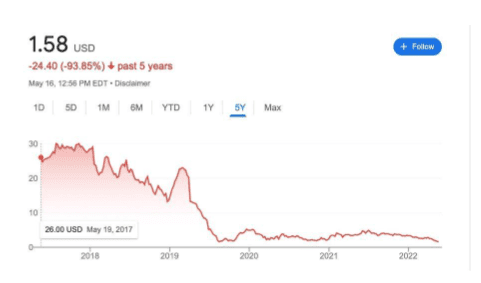
Take comScore. In 2017, Starboard announced it had bought a significant stake in the Virginia-based media-monitoring software company and sued it to force a board meeting; ComScore (NASDAQ: SCOR) settled the suit in September 2017 by giving Starboard four board seats. The results are they were down 93% since the took over the company Check out the performance of comScore’s share price over the past five years:
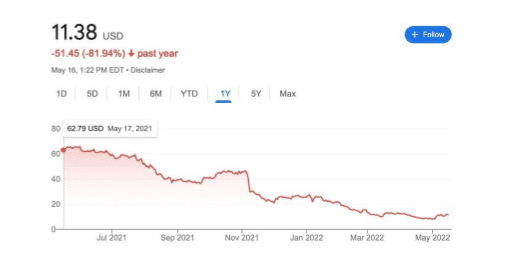
More recently, in March 2021 Starboard announced it had accumulated a stake in online health-insurance seller eHealth (NASDAQ: EHTH) and nominated four directors to its board. Two months later, the company settled with Starboard and accepted one new Starboard-nominated director. Whatever Starboard brought to the table, shareholders have seen their investment devastated since then. Here’s eHealth’s share price chart over the past year:
And let’s not forget cybersecurity software provider Symantec, which agreed to give Starboard nominees several board seats in September 2018. The share price of the company (since renamed NortonLifeLock) has been flat since then – while the S&P 500 has provided investors a total return of about 50%.
Whatever “special sauce” Starboard and other activist investors bring to companies, one thing is clear: it’s distinctly unappetizing when combined with software.







Comment