Legendary Racers continues to push its project forward, constantly adding utility to its tokens in preparation for its future metaverse.
Legendary Racers is an exciting NFT project that takes the sport of race car driving and uses it to build an ambitious platform that will combine the Web3, metaverse, and NFTs spaces.
Starting with a race car-based NFT collection, Legendary Racers has big ambitions to create a comprehensive experience known to everyone.
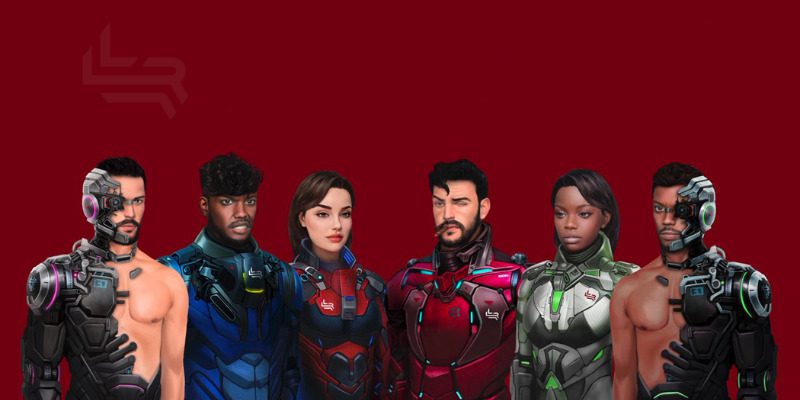
The NFT collection that started the project is a set of 10,000 NFTs with artistic renderings of people. The collection was created by taking nearly 300 different traits that are randomly selected to make each unique.
The racing-themed NFT was created because the team behind the project is passionate about everything about cars and racing. They are taking something they genuinely care about and sharing it with a community of similar interests. The end goal is to create a large, dedicated community that is brought together by operating under their love of cars, racing, and NFTs.
The NFTs are not just digital collectibles that can be bought and sold. The utility of the collection will continue to grow alongside the project. The future plans of the NFTs will have them act as tickets into Legendary Racers metaverse, which will be created as the project progresses. For the time being, governance tokens will get involved in the project, allowing holders to participate in the project’s growth.
Utility
The NFTs provide holders with numerous utilities, so their use goes far beyond being simple digital collectibles.
Here is a closer look at the utilities the NFTs provide.
- The Legendary Racers World – NFT holders get access to the Legendary Racers Metaverse which is built on Sandbox. Legendary Racers Holders will have access to our NFT Gallery, VIP Sandbox Events, Online shop for the wearables and meetings.
- Luxury Cars and Events – W16 NFT Holder gets access to a members-only supercar club. Holders access a worldwide collection of exclusive cars whenever in the same location as one of the project’s supercharged cars. They also have access to these cars during international community-wide events.
- Holders Only Special Access – All NFT holders automatically gain access to Holders Only Special Access. Rewards participants for engaging in the community and will continually evolve and find new ways to reward members with additional benefits.
- Merch – Soon to be announced a collaboration with a well-known physical product company. This collaboration gives exclusive access to discounts on the products for all the Legendary Racers NFT Holders.
- Invite to Holder-only Gala and Events (Secret Location) – Get access to annual holders-only luxurious events and galas. The locations of these events are kept secret.
- Holders-only Raffles and Discounts – Holders get access to the Legendary Racers’ club that gives access to special raffles and discounts that will be exclusive to them.
- DAO – Your opinion matters. Holders have a voice in the project’s development through AMAs. Users will be included in a formalized voting system through an official DAO.
- Exclusive Prizes For Riddle Solvers – Fabulous prizes that will be exclusive to Legendary Racers NFT holders who solve the riddles. These riddles will take place at the end of each month.
- Coaching Sessions – Legendary Racers will be having webinars with the Top Advisors in order for the community to learn more about the industry and how to become a legend in either the Web 3.0 or the Real World.
- Racing Game Tournaments – Legendary Racers will set up tournaments with big prizes each month. Be the one to show who the real racer is!
Legendary Racers’ ecosystem will take all of the most popular sectors of the digital asset space: NFTs, metaverses, and Web3, and throw them together into an exciting platform that will help users tap into the decentralized future.