Wondering how hospitals and companies protect us from infectious disease and pestilence on a regular basis? This article uncovers the infection prevention technologies that do just that.
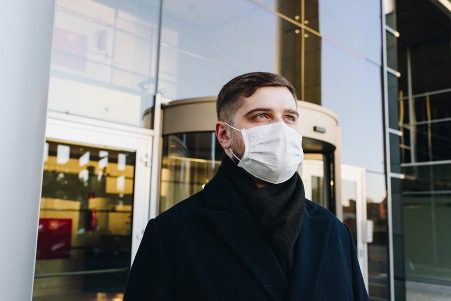
One of the biggest concerns within a clinical setting are hospital infections. Especially during COVID-19, it’s become clear that hospital-related infections are a big killer. After all, becoming infected with a virus when you’re already immunocompromised after, for example, a surgery is no picnic.
This, alongside the potential for sepsis to kick in, are big worries in a clinical setting. This is why such a huge priority has been put on infection prevention technologies in recent decades.
The same doesn’t just go for in hospitals either – prevention is important everywhere we go. In this article, we hope to reveal some of the main methods of infection prevention that are currently being studied and used. Be sure to read on to find out more…
1. Pulsed UV Disinfection
DDC Dolphin works tirelessly to safeguard “vulnerable patients, care home residents and frontline clinicians in hospitals and care facilities around the globe from the risk of infectious disease”. Their list of infection prevention technology begins with Pulsed UV Disinfection.
This is a piece of machinery that produces high-intensity ultraviolet light called UV-C, which passes through the cell walls of bacteria. This means it can reach every microorganism within the body, destroying nucleic acids and disrupting DNA. The UV-C either kills or inactivates the microorganism, preventing its reproduction without the same margin for human error.
It has no lasting effect on the organism, so anyone who comes into contact with it will not become ill, including doctors and clinicians. It is also relatively simple and requires little space to carry out.
2. Air Steriliser
Infectious bacteria cannot always be seen with the naked eye, as we very well know from the rapid spread of the COVID-19 virus. So, one big indicator of a potential hazard is smell, which rings alarm bells for anyone.
Masking the smell is one way to reduce the stench, but this won’t get rid of the hazard, which is where air sterilisers come in. They target the smell at the source, combining UV technology, photo plasma and ozone, and negative ions to get rid of these impurities.
Although it might sound very high-tech, these sorts of technologies are already in use around the globe in washrooms and bathrooms.
3. Fogging Machine
Fogging machines are useful in large clinical settings where an outbreak might be more commonplace. They coat infected areas with liquid droplets, reaching areas that might be otherwise unable to be reached. In doing so, these droplets have the power to destroy:
- Influenza
- Coli
- Dificile
- MRSA
- Norovirus
4. Maceration
In a different setting, maceration is a good way to dispose of waste, like human waste, without infecting the environment or people. It consists of a series of blades that pulverise the waste and its container. The sludge is then passed through the normal sewerage system.
With the help of disinfectant technology and antimicrobial coatings, this is a hygienic method of human waste disposal.
5. Sanitisers
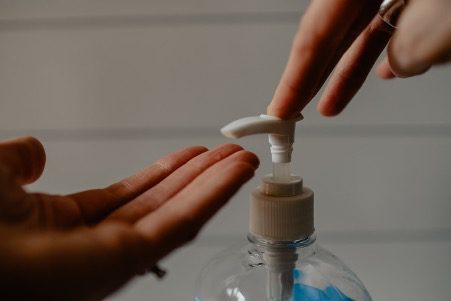
One method that we’re all too familiar with in this day and age are sanitizers. Whether they be hand sanitizers or surface disinfectants, these are convenient and effective. They can protect the general public, clinicians, and patients from the spread of hospital infections.
6. Cleaning Monitoring Technologies
Sometimes, whether it be due to human error or incapability, it’s not always possible to clean a room or even a surface properly. This is where cleaning monitoring technologies come in handy.
For example, Adenosine triphosphate (ATP) levels and fluorescent markers are a great tests for the adequacy of human hygiene. Markers can be used on surfaces before cleaning, and by using black light afterward, any missed spots can be detected.
7. Room Cleaning Robots
As we’ve seen, human error can come into play with infection control. This is where robots might surpass humans in this field.
In fact, disinfection devices are now deployed more often than ever after manual cleaning in order to make sure it is 100 percent effective. These devices use things like hydrogen peroxide (HP) or UV-light emitting machines to further penetrate the layers of dirt and clean more thoroughly.
Being toxic to humans, these methods are conducted after hospital patients are discharged.
8. Antimicrobial Textiles and Surfaces
According to the International Society for Infectious Diseases, various antimicrobial textiles and surfaces are undergoing clinical trial at the moment. Copper has been studied most of all, however there is still much more research that needs to be done. Significant financial investment is needed, and “long-term development of bacterial resistance to copper is a theoretical concern.”
Similarly, various textiles have been documented to kill bacteria after a prolonged period of time. In a hospital setting, scrubs and patient curtains have been tested, with silver curtains (Vancomycin resistant Enterococcus) and quaternary ammonium impregnated provider scrubs (MRSA) having the best results. That said, other studies have not shown the same results, so there’s still plenty of research needed.

Are These the Only Infection Prevention Technologies Out There?
As you can see, there are various infection prevention technologies out there that are either being studied further or are in action.
The main issue with all this is finding the funding to continue the research. Ultimately, investing in these sorts of implementations is likely to reduce overall governmental spend within hospitals. However, we still have a long way to go before we find prevention methods that really do the job to the maximum.
Do you know of any more technologies designed to prevent infection, both in day-to-day life and in hospitals? Be sure to leave your ideas in the comments down below.
Please be advised that this article is for general informational purposes only, and should not be used as a substitute for advice from a trained medical professional. Be sure to consult a medical professional or healthcare provider if you’re seeking medical advice, diagnoses, or treatment. We are not liable for risks or issues associated with using or acting upon the information on this site.