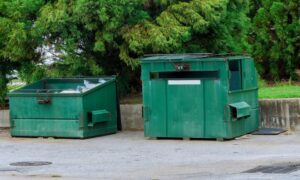
Managing waste equipment is one of those responsibilities that often sits quietly in the background until something goes wrong. When equipment fails, costs rise, safety risks increase, and operations slow down fast. Many of these problems stem from avoidable missteps rather than unavoidable wear and tear. Understanding the most common waste equipment mistakes can help facility managers extend equipment life, reduce downtime, and maintain safer, more efficient operations. Below are the issues that come up most often and how to avoid repeating them.
Treating Waste Equipment as an Afterthought
One of the biggest mistakes facility managers make is assuming waste equipment will simply take care of itself. Compactors, balers, dumpsters, and recycling systems are often out of sight and therefore out of mind. This mindset leads to reactive management, where action is only taken after a breakdown occurs. Waste equipment is a core operational asset, not a background utility. To avoid this mistake, include waste systems in your overall asset management strategy. Track performance, assign ownership, and treat maintenance with the same seriousness you would HVAC or production equipment.
Choosing the Wrong Equipment for the Job
Another common issue is selecting equipment based on price alone rather than actual operational needs. Facilities sometimes purchase or lease waste equipment that is too small, too large, or poorly suited for the type of waste being generated. For example, using a standard compactor for heavy industrial waste or overloading a small baler can cause frequent jams and premature failures. Avoid this by conducting a waste audit before making decisions. Understand waste volume, material type, pickup frequency, and space constraints. Matching equipment specifications to real-world usage dramatically reduces breakdowns and long-term costs.
Ignoring Manufacturer Guidelines
Manufacturer guidelines exist for a reason, yet they are frequently ignored. Overloading equipment, bypassing safety features, or running machines outside recommended duty cycles are all common waste equipment mistakes. These practices shorten equipment lifespan and can void warranties. Facility managers should ensure that operators are trained on manufacturer instructions and that these guidelines are easily accessible. Posting quick reference charts near equipment and including guidelines in onboarding materials can help reinforce proper use.
Inadequate Operator Training
Even the best equipment fails when used incorrectly. Many facilities assume basic intuition is enough to operate waste equipment safely, but compactors and balers require specific handling. Improper loading, incorrect material placement, and unsafe clearing of jams are all tied to insufficient training. To avoid this, provide formal training sessions for all operators, not just supervisors. Refresh training annually and whenever new equipment is introduced. Well-trained operators reduce accidents, equipment damage, and costly downtime.
Skipping Preventive Maintenance
Preventive maintenance is often postponed in favor of more urgent tasks until a breakdown forces attention. Skipping routine inspections, lubrication, and part replacements is one of the most expensive waste equipment mistakes over time. Small issues like worn seals or misaligned components can escalate into major failures if ignored. Create a preventive maintenance schedule and stick to it. Use checklists, maintenance logs, and reminders to ensure nothing is overlooked. Regular service costs far less than emergency repairs or full equipment replacement.
Relying on Emergency Repairs Only
Closely related to skipping maintenance is relying solely on emergency repairs. While breakdowns will still happen occasionally, making emergency service the primary maintenance strategy leads to higher labor costs and longer downtime. It also puts staff at risk when equipment fails unexpectedly. Facility managers should establish service agreements with qualified providers and schedule routine inspections. Having a trusted service partner ensures faster response times and better long-term planning.
Poor Placement and Site Design
Waste equipment placement is often decided based on convenience rather than functionality. Poorly placed compactors or dumpsters can create traffic congestion, safety hazards, or accessibility issues for haulers. Tight clearances, uneven surfaces, and inadequate lighting all increase the risk of damage and injury. To avoid this, evaluate the site layout carefully. Ensure there is adequate space for loading, servicing, and hauling. Proper placement improves efficiency and reduces accidental impacts and wear.
Overlooking Safety Features and Compliance
Safety features such as interlocks, emergency stops, and guards are sometimes disabled to save time or increase throughput. This is a dangerous and costly mistake. Not only does it expose employees to serious injury, but it also creates liability and compliance risks. Facility managers must enforce strict safety policies and conduct regular safety audits. Ensure all safety features are functional and that employees understand why they exist. Compliance with local regulations and OSHA standards should never be optional.
Failing to Monitor Waste Data
Many facilities do not track waste metrics beyond basic hauling costs. Without data on volume, contamination rates, and equipment performance, it is difficult to identify inefficiencies or justify upgrades. This lack of insight leads to repeated waste equipment mistakes and missed opportunities for optimization. Implement simple tracking systems to monitor usage patterns, downtime, and maintenance history. Data-driven decisions help facilities right-size equipment, improve recycling rates, and control costs.
Not Planning for Growth or Change
Facilities evolve over time, but waste systems often stay the same. Increased production, staffing changes, or new materials can quickly overwhelm existing equipment. When waste equipment is not scaled to meet current needs, problems multiply. Avoid this by reviewing waste systems regularly and planning for future growth. Periodic reassessments ensure equipment continues to match operational demands instead of becoming a bottleneck.
Delaying Repairs to Save Money
Delaying repairs is a short-term cost-saving tactic that almost always backfires. Minor issues such as hydraulic leaks, sensor malfunctions, or worn cables may seem manageable at first, but they often lead to larger failures. Delayed repairs increase downtime, raise safety risks, and result in higher repair bills later. Facility managers should empower teams to report issues early and approve repairs promptly. Addressing problems quickly preserves equipment and reduces long-term expenses.
Working with Unqualified Service Providers
Choosing the cheapest or most readily available service provider can be another costly mistake. Not all technicians are equally trained or experienced with specific waste equipment brands and models. Poor repairs can introduce new problems or leave underlying issues unresolved. To avoid this, vet service providers carefully. Look for experience, certifications, and a strong track record with similar equipment. A qualified partner adds value beyond basic repairs by offering insights and preventive recommendations.
Neglecting Employee Feedback
Operators and maintenance staff interact with waste equipment daily, yet their feedback is often overlooked. Ignoring their observations can mean missing early warning signs of failure or inefficiency. Encourage open communication and create simple reporting channels for issues and suggestions. Employees who feel heard are more likely to follow procedures and take ownership of equipment care.
Underestimating the Impact of Downtime
Finally, many facility managers underestimate how disruptive waste equipment downtime can be. When equipment is offline, waste piles up, safety hazards increase, and productivity suffers. The true cost goes beyond repair invoices and includes labor inefficiencies and compliance risks. Recognizing the full impact of downtime helps justify investments in better equipment, training, and maintenance.
Final Thoughts on Avoiding Waste Equipment Mistakes
Waste equipment may not be the most visible part of facility operations, but it plays a critical role in safety, efficiency, and cost control. Most waste equipment mistakes are preventable with the right mindset, planning, and processes. By selecting the right equipment, prioritizing training and maintenance, using data effectively, and partnering with qualified service providers, facility managers can avoid common pitfalls and keep operations running smoothly. Proactive management today leads to fewer emergencies tomorrow and a safer, more efficient facility overall.