
Retail Crime Prevention: Protecting Your Store, Staff, and Profits

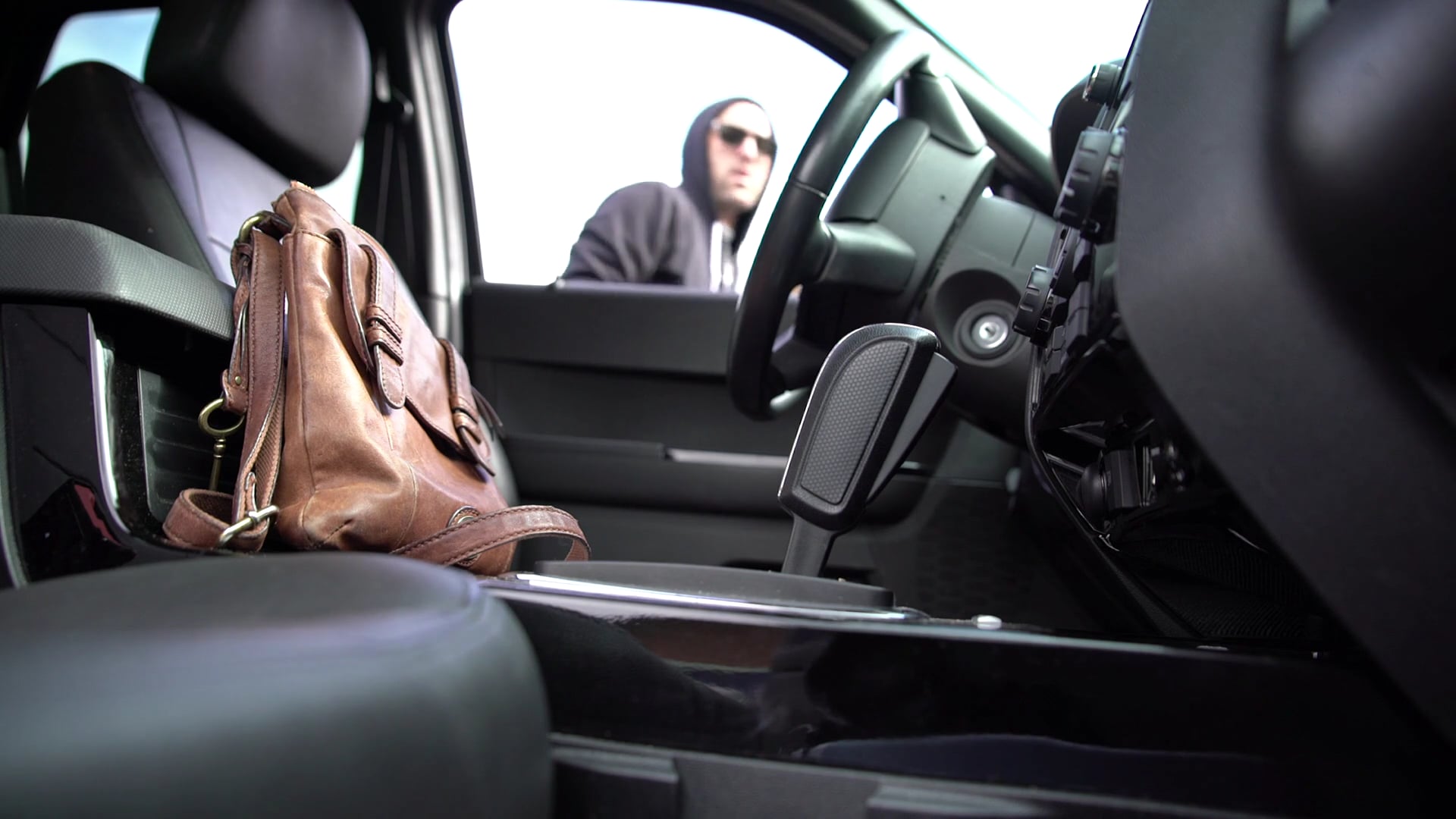
Retail crime is a growing concern for store owners across the country. From shoplifting and employee theft to organized retail crime, these incidents can seriously impact profits and customer trust. For small and large retailers alike, preventing crime is no longer optional—it’s essential for running a safe and successful business.
Effective retail crime prevention helps businesses reduce losses, improve staff safety, and create a secure shopping environment. By combining smart technology, employee awareness, and clear security policies, retailers can significantly lower the risk of theft and criminal activity while maintaining a welcoming experience for customers.
What Is Retail Crime?
Retail crime includes any illegal activity that targets retail businesses. Common examples include shoplifting, refund fraud, vandalism, burglary, and organized retail theft. These crimes don’t just lead to financial loss—they can also harm brand reputation and lower employee morale.
Understanding the types of crimes your store may face is the first step toward preventing them. Different retail environments require different strategies, whether you run a small local shop or a large retail chain.
Why Retail Crime Prevention Matters
Retail crime costs businesses billions of dollars every year. Even minor theft can add up over time and affect pricing, staffing, and growth. Prevention strategies help protect your inventory, reduce insurance claims, and ensure your employees feel safe at work.
Customers are also more likely to return to stores that feel secure and well-managed. A visible commitment to safety builds trust and enhances the overall shopping experience.
Key Strategies for Retail Crime Prevention
1. Install Visible Security Systems
Security cameras, alarm systems, and electronic article surveillance (EAS) tags act as strong deterrents. When criminals see visible security measures, they are less likely to target your store.
Modern systems also allow remote monitoring, giving store owners peace of mind even when they’re not on-site.
2. Train Employees Properly
Well-trained staff are one of the most effective crime prevention tools. Employees should know how to spot suspicious behavior, follow store procedures, and respond calmly to incidents.
Simple steps like greeting customers, staying alert, and maintaining organized displays can discourage theft naturally.
3. Improve Store Layout and Lighting
A clean, well-lit store with clear sightlines makes it harder for criminals to hide or act unnoticed. Avoid cluttered aisles and blind spots where theft can occur.
Good lighting inside and outside the store also helps deter break-ins and vandalism after hours.
4. Use Clear Policies and Signage
Posting clear signage about surveillance, no-theft policies, and prosecution consequences can reduce criminal behavior. These signs reinforce that your business takes security seriously.
Internal policies for handling theft, refunds, and cash management should also be clear and consistently enforced.
Preventing Organized Retail Crime
Organized retail crime involves groups targeting multiple stores for large-scale theft. Preventing this type of crime requires coordination, data tracking, and communication.
Sharing information with other local retailers and law enforcement can help identify patterns and stop repeat offenders. Technology like inventory tracking and analytics also plays a major role in detecting unusual activity early.
Benefits of a Strong Crime Prevention Plan
A strong retail crime prevention plan offers long-term benefits. It reduces losses, protects employees, and creates a safer environment for customers. Over time, these measures help increase profitability and strengthen your brand image.
Retailers who invest in prevention often see fewer incidents, lower insurance costs, and improved staff confidence.
Final Thoughts
Retail crime is a serious challenge, but it’s one that can be managed with the right approach. By focusing on awareness, technology, and smart store design, businesses can significantly reduce risk.
Retail crime prevention is not about creating fear—it’s about creating a safe, organized, and professional environment where both customers and employees feel secure. With the right strategies in place, your store can thrive while staying protected.







Comment