Technology continues to evolve at a rapid pace, and businesses of all sizes are feeling the impact. As systems become more complex and cyber threats more sophisticated, IT services are no longer just a support function. They are a strategic part of how modern organizations operate, compete, and grow. Understanding where IT services are headed can help business leaders make better decisions and prepare for what comes next.
Managed IT Services Become the Standard
One of the most significant shifts in IT services is the move away from reactive, break-fix support. Businesses increasingly rely on managed IT services that focus on proactive monitoring, maintenance, and optimization. Rather than waiting for systems to fail, providers identify issues early, reduce downtime, and help prevent costly disruptions.
This approach allows organizations to budget more predictably, improve system reliability, and focus internal resources on core business goals instead of day-to-day technical problems.
Cybersecurity Takes Center Stage
Cybersecurity has become a foundational element of IT services. With ransomware, phishing attacks, and credential theft on the rise, businesses are recognizing that basic antivirus software is no longer enough. Modern IT services now emphasize layered security strategies that include threat detection, employee training, access controls, and ongoing risk assessments.
In the future, cybersecurity will continue to be deeply integrated into every aspect of IT services, rather than treated as a separate or optional solution.
Cloud Services Continue to Expand
Cloud computing has already transformed how businesses store data and run applications, and its role in IT services is only growing. More organizations are moving to cloud-based platforms for flexibility, scalability, and remote access. IT services now often include cloud migration planning, performance management, and cost optimization.
As cloud technology matures, businesses can expect more hybrid and multi-cloud environments that require experienced oversight and strategic planning.
Support for Remote and Hybrid Work
Remote and hybrid work models are now a permanent reality for many organizations. IT services are adapting by prioritizing secure remote access, cloud collaboration tools, and reliable communication systems. Supporting a distributed workforce requires careful attention to security, performance, and user experience.
Future-focused IT services will continue to evolve around mobility, ensuring employees can work efficiently from anywhere without increasing risk.
Data-Driven IT Decision Making
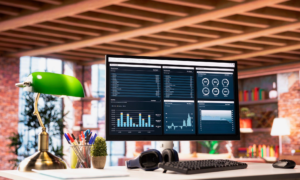
Another trend shaping IT services is the use of data and analytics to guide decisions. Monitoring tools now provide detailed insights into system performance, user behavior, and potential vulnerabilities. This data helps businesses plan upgrades, allocate budgets, and align technology investments with long-term goals.
Instead of reacting to problems, organizations can use IT insights to make informed, proactive choices.
The Strategic Role of IT Services
Looking ahead, IT services will play an even larger role in business strategy. Technology decisions influence customer experience, operational efficiency, compliance, and growth potential. Businesses that treat IT services as a long-term partnership rather than a short-term fix are better positioned to adapt to change.
By staying aware of emerging trends and working with knowledgeable IT professionals, organizations can build resilient, secure, and scalable technology environments.