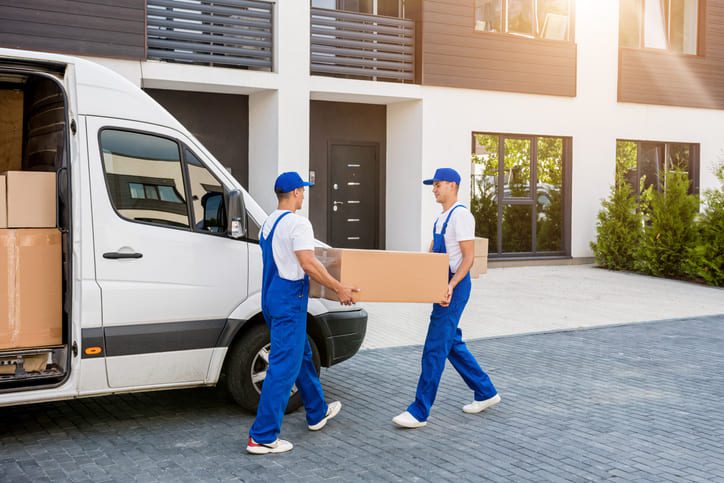
Retail relocations are high-stakes projects where one delay or damaged shipment can impact sales and customer trust. When you work with experienced cross state movers who specialize in commercial jobs, you gain a partner that understands inventory, timelines, and brand standards. Instead of juggling multiple vendors, your team can focus on merchandising and marketing the new store. Professional Retail Store Movers handle the logistics, from packing shelves to protecting delicate displays. With the right partner, your relocation becomes a controlled process instead of a stressful emergency. That is how retail brands move without losing momentum or customers.
Inventory-sorting strategies that streamline packing before the moving date
A smooth retail move starts long before the moving trucks arrive at your store. Professional cross state movers bring structured sorting systems that match your inventory, categories, and planograms. This means stock is packed and labeled in a way that makes sense for fast, accurate setup at the new location. Your team wastes less time hunting for missing SKUs or misplaced cartons. The result is faster unpacking, cleaner shelves, and less disruption for customers.
How pro movers organize inventory for speed
- Sort by department, aisle, or planogram to mirror your sales floor.
- Use clear, consistent labeling that matches your internal codes.
- Separate backstock from floor merchandise for easier reset.
- Flag high-value and high-shrink items for extra control and tracking.
- Create a packing sequence that supports how you plan to reopen and restock.
Handling requirements for shelving units, displays, and fragile merchandise
Retail shelving and displays are not just equipment; they are part of your brand experience. Professional Retail Store Movers know how to break down, protect, and rebuild these elements so they look and function as intended in your new space. From glass fixtures to branded gondolas, each piece needs the right tools and packing materials. Cross state movers with commercial expertise plan for these needs in advance. That protects both your investment and your in-store image.
Why specialized handling matters
- Disassembly and reassembly are done by crews familiar with retail fixtures.
- Fragile glass, mirrors, and decor are wrapped, crated, or padded properly.
- Hardware and small parts are bagged, labeled, and kept with each unit.
- Heavy shelving is moved with the right dollies and lifts, reducing damage and risk.
- Custom displays and branded pieces get white-glove treatment, not generic handling.
Coordination routines that reduce downtime during high-volume store moves
Every hour your doors are closed impacts revenue and customer loyalty. Professional movers who routinely handle multi-store and high-volume relocations build a detailed schedule that fits your trading hours and promotional calendar. They coordinate with your managers, IT, and merchandising leads so everyone knows what happens and when. This level of planning limits surprises and last-minute chaos. Your team can stay focused on customers instead of scrambling to solve logistics issues.
Coordination advantages of working with pros
- Clear timelines for shutdown, load-out, transport, and setup.
- Communication with landlords, building management, and loading docks.
- Staggered moves for multiple stores or departments to keep some areas trading.
- Alignment with deliveries from vendors so product flows into the right location.
- A single point of contact who oversees the entire relocation process.
Transport safeguards that protect electronics and point-of-sale systems
Your POS systems, scanners, displays, and back-office computers are the heartbeat of your operations. Damaged electronics mean lost transactions, longer lines, and frustrated customers. Skilled cross state movers use specialized packing, anti-static materials, and secure loading plans designed for sensitive equipment. They also coordinate closely with your IT or POS provider to handle disconnects and reconnects correctly. This care helps ensure your systems power up smoothly at the new store.
Key protections for your tech and POS
- Individual wrapping and cushioning for monitors, registers, and card readers.
- Anti-static protection and secure crates for servers and networking gear.
- Cable management so cords, power bricks, and accessories stay matched to each device.
- Dedicated placement plans so POS stations, kiosks, and displays land exactly where needed.
- Optional after-hours handling to minimize disruption to active systems.
Scheduling plans that help retailers reopen quickly after relocation
The goal of any retail move is not just to leave one space, but to start selling fast in the new one. Professional Retail Store Movers build a schedule around your reopening targets, promotions, and seasonal peaks. They can stage deliveries so critical departments, like checkout and key categories, come online first. With the right plan, you move from closed to operational in a tight, realistic window. That helps you preserve sales and maintain customer confidence.
Smart scheduling for a faster comeback
- Plan moves for slower trading periods or overnight windows.
- Prioritize front-of-house, POS, and top-selling categories for first setup.
- Stagger staff schedules so team members are available for unpacking and merchandising.
- Build in testing time for IT and security systems before customers return.
- Keep a clear “go live” checklist so you know exactly when you are ready to open.
Equipment selection that supports large-scale commercial transitions
Retail relocations demand more than a truck and a few dollies. You need lift-gates, pallet jacks, rolling racks, carts, and protective gear sized for large, dense shipments. Experienced cross state movers select equipment based on your store layout, building access, and merchandise profile. This prevents bottlenecks at elevators, narrow hallways, and loading bays. The right gear keeps the move safe, efficient, and on schedule.
Why the right equipment changes everything
- Heavy shelving and safes move with powered equipment, not manual guesswork.
- Pallet jacks accelerate backroom and warehouse transitions.
- Garment racks, bin carts, and speed racks help move hanging and folded stock.
- Floor protection systems shield tiles and carpets from damage.
- Professional-grade padding and straps keep loads stable in transit.
Pre-move preparation that minimizes disruptions to customer flow and staff workflow
The best relocations feel almost invisible to your customers. That happens when planning begins early and staff understand their roles. Professional Retail Store Movers can guide your team on what to pack when, how to stage backrooms, and how to protect active selling areas as you prepare. They help you phase the move so customers still enjoy a clean, safe shopping environment. Your staff stays focused on service, not confusion.
How your moving partner sets you up for success
- Clear packing timelines by department, backroom, and office area.
- Guidance on what to de-stock first and what to keep selling until the final days.
- Protective barriers and safe paths so customers and staff are never at risk.
- Briefings for store leaders so they can support and communicate with their teams.
- Checklists that keep everyone aligned from the first box packed to the first sale in your new store.
When you choose experienced commercial cross state movers, your retail relocation becomes a strategic project, not a gamble. If you are planning a store move or multi-location transition, connect with a dedicated team of Retail Store Movers who understand timelines, branding, and the pressure of staying open for your customers. A short consultation and tailored quote can give you a clear, confident path to your next successful store opening.
Read More From Techbullion