In the manufacturing industry, precision, efficiency, and reliability are key to meeting production targets and maintaining quality standards. However, no matter the type of product being made, manufacturers often face recurring challenges that can slow down production and increase costs. Whether it’s the risk of product defects, inefficiencies in production processes, or even downtime due to equipment malfunctions, these challenges can affect the bottom line.
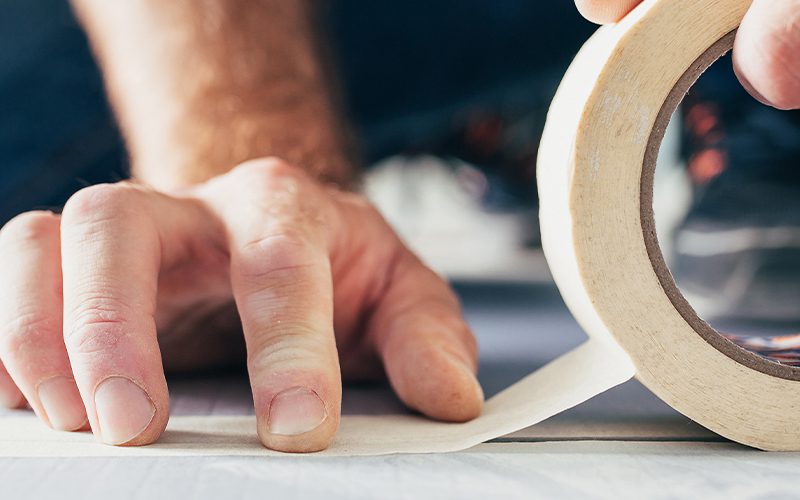
One simple yet effective solution to many of these common problems is the use of high-quality factory masking tapes. While often overlooked, masking tapes play a critical role in improving operational efficiency, protecting products, and ensuring the precision necessary for high-quality manufacturing. Below, we explore 7 common challenges in manufacturing that can be solved with the right masking tapes.
1. Inconsistent Paint or Coating Applications
In many manufacturing processes, especially those involving surface treatments like painting or coating, one of the most frustrating challenges is achieving clean, crisp lines without excess paint running or overspraying. Inaccurate masking can lead to rework, wasted materials, and poor aesthetic outcomes.
How masking tapes help
- Precise, clean edges for paint and coating applications
- Prevents overspray and material waste
- Reduces the need for touch-ups and rework
By using high-quality factory masking tapes, manufacturers can ensure consistent paint lines and reduce the time spent correcting mistakes.
2. Surface Protection During Production
Sensitive surfaces, such as those found in automotive parts, electronics, or delicate machinery, are vulnerable to damage during production. Scratches, dirt, and dust can negatively affect product quality and the final appearance. Masking tapes are widely used to protect these surfaces from damage during manufacturing processes such as cutting, grinding, or assembly.
Why masking tapes are ideal for protection
- Safeguards surfaces from scratches and abrasions
- Prevents contamination of critical parts
- Easy to apply and remove without leaving residue
By using factory masking tapes to cover and protect vulnerable areas, manufacturers can prevent product defects and reduce the need for repairs.
3. Risk of Product Defects from Material Contamination
In processes that require precise molding or sealing, contamination from foreign particles or residue can cause defective products. If the material being processed is not kept clean and free of dust or debris, it can lead to inconsistencies or defects in the final product.
How masking tapes prevent contamination
- Cleans surfaces by preventing dirt or dust accumulation
- Seals off sensitive areas to maintain material purity
- Prevents spills or leaks during assembly
Using factory masking tapes to shield specific components or areas from contaminants can significantly improve the quality of the final product.
4. Difficulties with Temporary Adhesion for Assembly
In many manufacturing environments, temporary adhesion is needed to hold parts or materials in place during assembly processes. Traditional methods, like using clamps or manual holding, can be inefficient and time-consuming. Moreover, they can cause additional handling errors.
How masking tapes solve this problem
- Quick, temporary adhesion for assembling parts or holding components in place
- No residue left behind after removal
- Easily adjustable to fit different configurations
With the use of factory masking tapes, workers can quickly and securely hold parts in place without requiring additional tools or labor.
5. Inaccurate Packaging and Labeling
Packaging plays a significant role in manufacturing, especially when products need to be packed securely for transport or when parts need to be properly labeled. However, improper sealing or mislabeling can lead to issues such as returns, losses, and even compliance problems.
Why masking tapes are the solution
- Ensures tight, secure packaging by sealing boxes or bags
- Used for clear labeling without damaging packaging material
- Helps maintain brand consistency by ensuring neat, uniform labels
High-quality factory masking tapes ensure that packaging and labeling are done accurately, reducing errors and increasing the efficiency of shipping and handling.
6. Loss of Efficiency During Changeovers and Setup
In manufacturing lines, changeovers (switching from one product to another) and setups can lead to significant downtime if not managed efficiently. This downtime adds to production costs and reduces overall throughput. Masking tapes can be a simple yet effective solution to minimize these losses.
How masking tapes aid in fast changeovers
- Easy application and removal during equipment or product changes
- Prevents damage to sensitive equipment or surfaces during changeovers
- Reduces setup times, as there’s no need for additional tools
The ease and versatility of factory masking tapes make changeovers faster and less disruptive, allowing businesses to keep production lines moving smoothly.
7. Difficulty in Achieving Uniform Sealing
Whether it’s sealing parts in assembly lines or ensuring airtight packaging, inconsistent sealing can lead to product failure, contamination, or customer dissatisfaction. Masking tapes are often used in these situations to ensure that seals are uniform and reliable.
How masking tapes improve sealing
- Provides consistent and reliable sealing on assembly lines
- Ensures air-tight or liquid-tight seals without additional tools
- Minimizes waste by reducing the need for rework
Using factory masking tapes in sealing processes helps maintain product integrity and minimizes the risk of errors in packaging or assembly.
Closing Perspective: The Power of High-Quality Masking Tapes in Manufacturing
While often seen as a simple tool, factory masking tapes play a critical role in ensuring that manufacturing operations are efficient, precise, and cost-effective. From protecting surfaces and ensuring clean lines to improving production speed and reducing downtime, the right masking tapes can address a range of challenges in the manufacturing process.
By implementing high-quality masking tapes, manufacturers can improve quality control, reduce waste, optimize workflows, and maintain high levels of safety and reliability. In today’s competitive manufacturing environment, investing in reliable materials such as masking tapes is not just a smart choice—it’s essential for ensuring continued success and operational excellence.