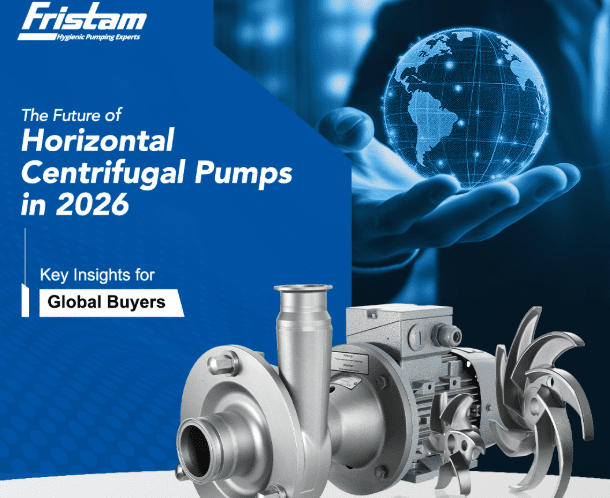
Industrial operations are moving faster than before, and the pressure keeps building. Plants are expected to deliver consistent output, reduce downtime, and control costs at the same time. That balance is not easy. When equipment fails, the damage goes beyond lost production hours. It hits delivery timelines, client trust, and long-term margins. This is why centrifugal pumps are no longer treated as background equipment. They sit right at the core of operational reliability today.
Choosing the right pump now needs deeper thought. Buyers look at how systems behave over time, how easily they can be cleaned, and how stable they remain under changing conditions. As 2026 gets closer, this shift is no longer optional. It’s becoming standard practice.
Why Horizontal Centrifugal Pumps Will Matter More Than Ever by 2026
The focus on uptime and efficiency has pushed the horizontal centrifugal pump into a stronger position across industries. Its design allows easier access during inspections and servicing. That alone saves time. In facilities where space is limited and stoppages are costly, this advantage becomes very real.
There is also the performance side. Horizontal pumps handle varying loads with consistency. As process lines grow more complex, stability matters more than peak numbers. These pumps deliver predictable results, which makes them suitable for operations that cannot afford surprises during production.
What Will Change for Pump Buyers by 2026?
Pump buying decisions are changing fast. By 2026, buyers will care less about basic specifications and more about digital compatibility, hygiene compliance, and long-term operating value.
1. Smarter Plants and Digitally Monitored Equipment
Manufacturing plants are becoming smarter every year. Pumps are expected to integrate smoothly with monitoring systems that track vibration, temperature, and energy usage. Buyers prefer equipment that supports predictive action instead of last-minute repairs. This pressure is pushing hygienic pump manufacturers to design pumps that work naturally inside connected environments, not outside them.
2. Hygiene and Regulatory Pressure Across Global Markets
Hygiene rules are getting stricter across regions. Food, beverage, pharmaceutical, and cosmetic industries face tighter audits and zero tolerance for contamination risks. Pumps must support reliable cleaning and safe operation. Equipment that fails hygiene checks quickly turns into a liability, especially for facilities supplied by global pump manufacturers.
3. Energy Efficiency and Lifecycle Cost Focus
Energy use and lifecycle cost now shape most buying decisions. Buyers are no longer impressed by low upfront prices alone. They study efficiency, service intervals, and long-term stability. This is where the real centrifugal pumps become visible when systems are correctly selected and built for durability.
What Global Buyers Should Prioritise When Choosing Horizontal Centrifugal Pumps
Global buyers are taking a more disciplined approach now. Verified pump curves, material certifications, and testing data matter more than polished brochures. Pumps must perform reliably across real operating ranges, not just ideal conditions.
Support after installation also plays a big role. Buyers evaluate how suppliers handle pump maintenance and whether service designs reduce downtime or complicate it. This mindset turns procurement into a long-term relationship decision rather than a one-time transaction.
Where Leading Manufacturers Are Raising the Benchmark
To meet these rising expectations, leading players are raising their engineering standards. The focus has moved away from selling standalone products. It now centres on delivering systems that perform steadily over the years. This is where brands like Fristam start standing apart within the hygienic centrifugal pumps market.
Instead of competing only on numbers, these manufacturers invest in hygiene, precision, and lifecycle efficiency. Their designs show a clearer understanding of how pumps behave inside real production environments.
Fristam’s Horizontal Centrifugal Pumps as a Future-Ready Example
Fristam’s approach reflects where the industry is heading. Its designs focus on stability, hygienic operation, and consistent performance over time. As a high-performance pump provider, Fristam balances engineering strength with practical usability.
Its horizontal pump designs manage pressure changes and viscosity variations without stressing the product. At the same time, they remain easy to clean and service. This balance explains why such pumps are chosen for demanding and sensitive applications.
Types of Horizontal Centrifugal Pumps By Fristam
Common horizontal centrifugal pump types from Fristam include:
- FP Centrifugal Pump: A versatile hygienic pump range designed for general processing duties. It suits low to medium pressure applications where gentle product handling and easy cleaning are important.
- FPV Centrifugal Pump: Designed with a vertical inlet for improved suction conditions. This type works well for applications that demand better NPSH performance and stable flow, especially in sensitive hygienic processes.
- FPH Centrifugal Pump: Built specifically for high-pressure applications. This range supports demanding sanitary processes where strong pressure capability is required without sacrificing hygienic design principles.
- FM Multistage Centrifugal Pump: Developed for applications requiring higher discharge pressures. Multiple impeller stages deliver consistent pressure while keeping the pump compact and service-friendly.
Why Reliability and Hygiene Will Define the Pump Market in 2026
Reliability and hygiene are no longer secondary factors. They define pump selection today. Fristam’s engineering approach shows this clearly. Through strong hygienic engineering, the company has reduced contamination risks by design, not by added fixes.
Its pumps meet strict EHEDG and 3-A standards by avoiding crevices and dead-legs. Built-in Cleaning-In-Place (CIP) and Sterilisation-In-Place (SIP) capability allows effective cleaning without disassembly. This lowers operator exposure, reduces downtime, and cuts recontamination risk.
Material choice strengthens this further. Hygienic 316L stainless steel and high-grade surface finishes remove micro-crevices where bacteria could grow. Service features like front-loading seals and flexible couplings simplify maintenance and limit tool use in product zones. Together, these elements support reliability while strengthening the overall industrial pump supply chain.
Conclusion
As 2026 approaches, pump procurement is becoming more thoughtful and strategic. Buyers want more than basic compliance. They expect hygiene assurance, reliable performance, and predictable costs over time.
Manufacturers who understand real operating pressure will lead the market. Pumps designed with hygiene, efficiency, and service access in mind will shape the next phase of industrial operations. Choosing the right partner today will quietly decide how stable tomorrow looks.