
Implementing Automation Technology in Your Business

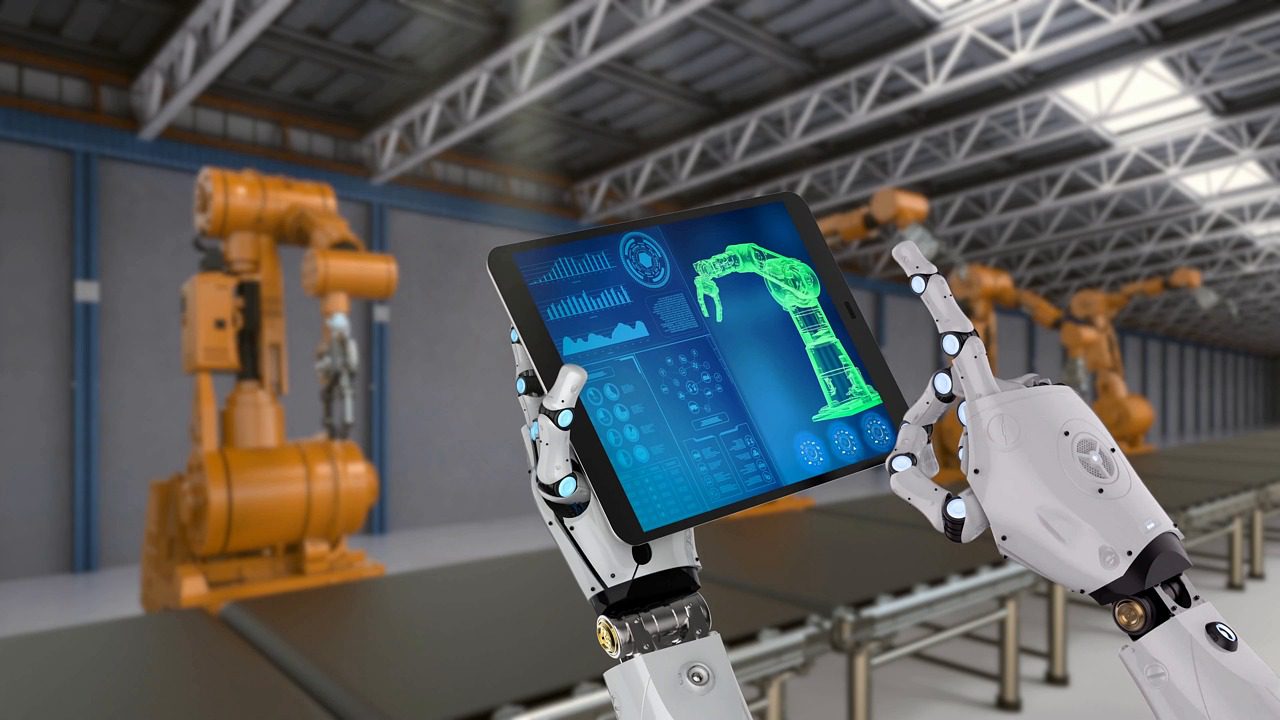
In business, you face constant pressure to deliver more in less time, and automation has become one of the most practical ways to ease that load. When you introduce the right tools, you free your team from repetitive work and give them room to solve problems that genuinely need their attention. Instead of stretching your resources thin, you can let software handle predictable tasks and allow people to focus on work that requires judgment and creativity. Automation strengthensyour role in the company by helping you run operations with more confidence.
Identifying the Right Processes to Automate First
Start by observing where your team spends time on tasks that follow a consistent pattern. These often sit in areas like data entry or customer follow-ups. When you see the same steps carried out every day, it signals a strong candidate for automation. You might, for example, automate the movement of order information from your e-commerce platform into your accounting software. That one change can reduce manual errors and free someone from retyping the same details for hours each week.
You can make better decisions by mapping each workflow stepbystep. Look for bottlenecks or repeated handovers. When you understand the flow clearly, you can choose technologythat solves a real problem instead of adding unnecessary complexity.
Managing Risk, Safety, and Cybersecurity in Automated Systems
Automation gives you efficiency, but you also take on new responsibilities when your systems run with less human oversight. Protecting your business starts with reviewing the data each tool collects and where it travels. For example, if you automate customer communication, ensure the platform encrypts sensitive information and stores it securely.
You also reduce risks by setting clear access controls. Give each team member the least amount of access they need to perform their work. This helps you contain damage if an account becomes compromised. Regularly testing your systems and updating software keeps you ahead of potential threats. These habits build a safer environment where automation supports the business rather than exposing it.
Planning Implementation, Integration, and Workforce Impact
When you introduce new tools, think about how they will work alongside your existing systems. If you use industrial controls, for instance, ensure the new software connects reliably with your operational equipment so you avoid data gaps or conflicting instructions. Before rollout, involve the people who will use the tools daily. Their input reveals practical needs that an outside perspective might miss. Once you choose a solution, train your team thoroughly and let them practise with real-world scenarios. This approach reduces resistance and increases confidence.
Your goal isn’t to replace staff but to give them stronger tools. When people understand how automation improves their day, they adopt it more readily and help you get full value from the investment.
Strengthening Your Business Through Smart, Sustainable Automation
As you continue shaping how your business operates, automation sharpens the way you work. When you treat it as an ongoing practice rather than a one-off upgrade, you give yourself room to experiment with better approaches and respond faster to shifting demands. Each improvement – no matter how small – adds resilience and clarity to your operations. However, the real value shows when your team feels the benefit as much as the business does.







Comment