How often does everything actually run the way it’s supposed to? In industrial settings, “smooth operations” usually means “nothing exploded today.” Between machines that don’t care about your deadlines and maintenance logs that read like riddles, consistency isn’t just hard—it’s a daily grind. In this blog, we will share the equipment practices that keep output steady, even when the conditions are anything but.
Standard Tools, Different Results
Plenty of operations use the same basic tools. What separates the ones that keep pace from the ones constantly playing catch-up is how those tools are used, maintained, and managed under pressure. It’s not just about having the right machinery—it’s about what happens between the hours of breakdown and replacement.
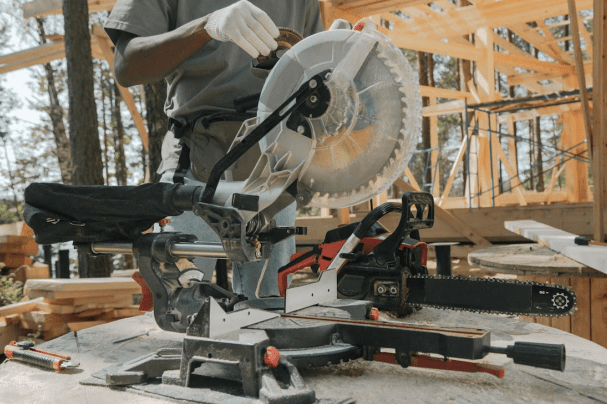
Even something as basic as chainsaws can prove this point. When you compare chainsaws across job sites, you’ll see the same models doing entirely different work. One’s cutting clean all day. Another stalls every 15 minutes. The difference? Blade condition, usage rhythm, fuel mix, operator care. Same tool. Opposite performance. That disconnect shows up across every level of industrial equipment.
It’s also why smart teams don’t just “check the box” on equipment maintenance. They build a rhythm around it—pre-shift checks, after-hours diagnostics, scheduled downtime. Not the fun stuff. Not what wins praise. But it’s what keeps the wheels turning when orders stack up and margins shrink. Companies that treat their gear like background noise usually spend more time fixing than producing.
Scheduled Work Beats Emergency Repairs
Emergency fixes feel productive in the moment. There’s adrenaline, walkie-talkies buzzing, a few people crawling inside a jammed machine trying not to lose a hand. But over time, the cost of scrambling always outpaces the cost of planning. Running things until they break may feel like efficiency—until it turns into unplanned shutdowns, overnight shipping costs, and angry clients waiting on delayed loads.
Preventive maintenance, done right, doesn’t just reduce failure. It creates predictability. That predictability lets schedulers commit to tighter timelines, lets inventory managers plan material flow, and gives tech teams the space to improve rather than react.
Think of it like rotating your tires. If you skip it for a year, the car still runs—until the alignment’s off, two tires are bald, and the repair bill’s triple what it would’ve been. Equipment’s no different. Whether it’s press machines, conveyors, loaders, or power systems, nothing thrives under last-minute patchwork.
The same logic applies to software and sensors. Skipping firmware updates or ignoring odd error logs for months turns small glitches into operational hazards. Scheduled care isn’t sexy, but it’s what lets complex systems keep their promise: reliability.
Training That Goes Beyond the Manual
A surprising number of problems begin with people who were handed a tool and told, “You’ll figure it out.” That shortcut—relying on common sense over training—costs industrial operations thousands in lost time, wasted material, and minor damage that accumulates into major issues.
What separates high-performing teams isn’t just who shows up early. It’s who’s been trained to understand not just what a machine does, but why it behaves the way it does under strain. Good training explains not just button sequences, but load thresholds, wear points, warning signs.
This is especially relevant as younger workers enter the field. With fewer years of hands-on experience, they’re expected to operate gear that’s more complex, integrated, and high-risk than ever before. Tossing them into the deep end without support doesn’t build resilience—it builds avoidable errors.
The companies investing in strong cross-training—where operators learn how to spot early signs of failure, where mechanics teach basic diagnostics to frontline staff—see fewer surprises. Fewer surprises means fewer shutdowns, tighter schedules, and less budget lost on rework.
Real-Time Monitoring Isn’t a Luxury
It’s 2026, and sensors are cheap. If you’re still waiting for a bearing to physically smoke before realizing something’s wrong, you’re behind. Real-time equipment monitoring isn’t some bleeding-edge tech reserved for billion-dollar plants. It’s become the new floor for operational awareness.
Today’s systems let operators track vibrations, temperature, fluid pressure, and torque shifts all from a dashboard. It’s not about watching pretty graphs—it’s about acting faster than failure. When you can see wear trends over weeks instead of guessing, you stop reacting and start adjusting.
This level of visibility also helps with accountability. When something fails, you can go back through logs, spot when it started, and ask the right questions. Was it ignored? Was it missed? Did the part fail faster than expected? Now you’ve got data, not just frustration.
It also connects to broader trends in sustainability and compliance. Industries are under pressure to reduce energy waste, minimize emissions, and hit efficiency targets. Monitoring helps spot underperforming systems early so corrections can be made before they show up in fines or bloated utility bills.
Consistency Starts at the Edges
Most operations focus heavily on their core equipment—the big-ticket machines that do the heavy lifting. But consistency often breaks at the edges. It’s the smaller systems, the handoffs between departments, the carts, lifts, pallets, tools, and packaging stations that introduce variability.
An otherwise smooth line can get choked by poor bin placement, mismatched tools, or unclear signal systems between operators. A strong process doesn’t rely only on the strength of the central machine—it’s built around every piece that supports it.
Walking a shop floor with this mindset often reveals dozens of low-cost tweaks: improving lighting around inspection stations, adding rollers to eliminate carrying, labeling storage to cut search time. These aren’t glamorous. But they smooth out the friction that accumulates into delays.
Culture and Repetition Matter
Consistency isn’t a result. It’s a habit. It comes from creating environments where people know their role, understand their equipment, and follow routines without being micromanaged. That only happens when the culture supports it—not through posters on the wall, but by making it clear that attention to detail matters every shift.
When a lead operator starts every day with the same pre-flight checks, when maintenance logs are filled in fully and not rushed, when questions are encouraged before mistakes happen—that’s where consistency starts building.
Right now, labor markets are strained. New workers rotate in fast, experience levels vary wildly, and retention is shaky. In that kind of climate, repetition becomes the best teacher. Strong onboarding, mentorship, and visual procedures do more for consistency than any software ever will.
So while the machines are important, they’re only as good as the people using them and the environment supporting them. Consistent output is a human-driven result. The equipment is just the amplifier.
And when everything clicks—when the parts arrive on time, when the team works like muscle memory, when the readings stay steady—you realize consistency isn’t magic. It’s the outcome of choices made upstream, every single day.