
How Technology Is Reshaping Warehouse Strategy for E-Commerce Businesses

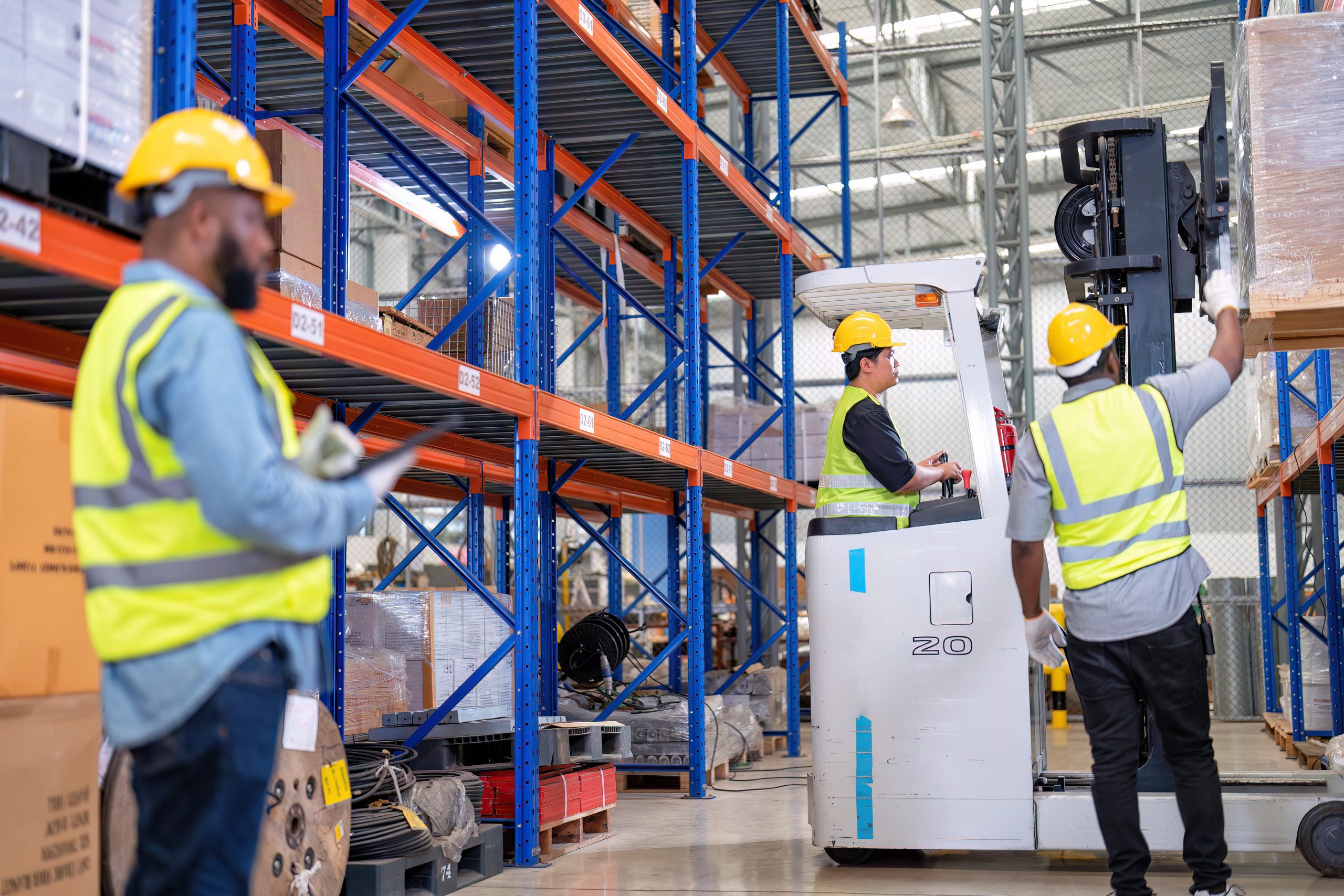
The logistics industry has entered a new era. What used to be a game of square footage and shipping routes has become a technology arms race where visibility platforms, AI-driven inventory systems, and strategic positioning determine which businesses thrive and which fall behind. For e-commerce companies navigating record consumer demand and tightening delivery windows, understanding this shift is no longer optional.
Warehouse location decisions have always mattered. But now they matter in ways that extend far beyond geography. Facilities positioned near major ports offer more than proximity to consumers. When equipped with modern warehouse management systems and real-time tracking platforms, these locations become nerve centers for supply chain intelligence. Businesses gain the ability to monitor inventory movements, predict demand fluctuations, and respond to disruptions before they cascade into customer service failures. The convergence of location and technology is creating competitive advantages that were unimaginable just five years ago.
The Data Behind the Shift
Numbers tell a compelling story about why this transformation is happening. Recent data from the Port Authority of New York and New Jersey indicates that the region’s seaport handled roughly 4.4 million TEUs (twenty-foot equivalent units) in the first half of 2025, reflecting continued year-over-year growth. The port serves a 250-mile radius containing more than 60 million consumers and approximately one-third of the nation’s GDP. For e-commerce brands, this concentration of buying power creates obvious appeal. But raw proximity only gets you so far.
The real differentiator is how quickly goods can move from container ship to warehouse shelf to customer doorstep. And that speed depends almost entirely on the technology systems connecting each link in the chain. Legacy operations relying on manual processes and disconnected software platforms simply cannot keep pace with consumer expectations for two-day, next-day, or even same-day delivery.
Why Warehouse Management Systems Have Become Mission Critical
Modern warehouse management systems do far more than track where products sit on shelves. The latest platforms integrate with e-commerce marketplaces like Shopify, Amazon, and WooCommerce, syncing orders automatically and updating inventory counts in real time. This integration eliminates the lag that historically caused overselling, stockouts, and the customer service headaches that follow.
Barcode scanning and RFID technology have matured to the point where human error in picking and packing has dropped dramatically. According to research from McKinsey & Company, AI-powered solutions have the potential to reduce logistics costs by up to 15 percent, lower inventory levels by up to 35 percent, and improve service levels by as much as 65 percent in certain implementations. Results vary by operation, but these improvements can compound over time, creating cost structures that competitors using older systems struggle to match.
For third-party logistics providers serving multiple brands from shared facilities, this technology becomes even more critical. Each client needs visibility into their specific inventory without accessing data belonging to other tenants. Cloud-based platforms now deliver this granularity as a standard feature, not a premium add-on.
The Rise of Visibility Platforms
Perhaps no development has changed e-commerce logistics more than the emergence of comprehensive visibility platforms. These systems provide end-to-end tracking from purchase order creation through final delivery, giving supply chain managers a single dashboard view of their entire operation.
The benefits extend beyond simple tracking. Advanced platforms now monitor carbon footprints, flag potential customs delays, and aggregate documentation in centralized repositories. For brands selling internationally or sourcing from overseas manufacturers, this visibility reduces the uncertainty that has historically plagued cross-border logistics. Experienced logistics partners have increasingly made these platforms a core part of their service offerings, recognizing that clients expect transparency as a baseline requirement.
Predictive capabilities represent the next frontier. Machine learning algorithms can now analyze historical shipping data, weather patterns, port congestion metrics, and carrier performance to forecast delivery windows with increasing accuracy. When a shipment from Asia encounters delays at the port of origin, the system can automatically adjust downstream scheduling and alert relevant stakeholders before the problem compounds.
Strategic Location Meets Smart Infrastructure
Technology alone cannot solve every logistics challenge. Physical infrastructure still matters enormously. The best warehouse management system in the world cannot compensate for a facility located hundreds of miles from your customer base or far from major transportation corridors.
This is why the Northeast corridor has become such a focal point for e-commerce fulfillment. A New Jersey warehouse positioned near Interstate 95, with easy connections to port terminals and major airports, can reach roughly 40 percent of the American population within a two-day ground shipping window, according to commonly cited industry estimates. Add rail connections to that mix, and inland distribution becomes significantly more cost-effective.
The Port of New York and New Jersey has invested heavily in infrastructure upgrades to handle larger vessels and increase throughput capacity. Terminal operators have implemented 5G connectivity and expanded electric truck charging stations, signaling a long-term commitment to operational modernization. For businesses selecting warehouse partners in the region, these investments translate into more reliable service and reduced congestion-related delays.
What E-Commerce Businesses Should Prioritize
Choosing a logistics partner in 2026 requires evaluating both technology capabilities and physical infrastructure. Here are the factors that matter most:
System Integration: Does the warehouse management system connect seamlessly with your existing e-commerce platforms? Manual data entry between disconnected systems creates delays and errors.
Real-Time Visibility: Can you access inventory counts, order status, and shipping updates through a single portal? Fragmented reporting wastes time and obscures problems.
Scalability: Can the facility handle volume spikes during peak seasons without degrading service levels? Holiday surges and viral marketing moments require flexible capacity.
Location Advantage: How quickly can shipments reach your core customer demographics? Ground shipping costs add up fast when facilities sit far from population centers.
Compliance Capabilities: For brands selling through major retailers, can the warehouse meet specific packaging, labeling, and EDI requirements? Chargebacks from compliance failures erode margins quickly.
Established 3PL providers with a track record in e-commerce fulfillment often score well across these criteria because they have already made the technology investments and built the operational workflows required to deliver consistent results.
Looking Ahead
The logistics technology landscape will continue evolving rapidly. Autonomous mobile robots are already handling picking and sorting tasks in leading facilities. Digital twins allow operators to simulate operational changes before implementing them. AI-driven demand forecasting is becoming standard rather than exceptional.
Businesses that view warehousing as a commodity service rather than a strategic capability will find themselves at a growing disadvantage. The companies winning in e-commerce are those treating their logistics infrastructure as a technology platform, not just a place to store products.
For brands serious about competing in an increasingly demanding market, the message is clear: the warehouse of the future is not just about location. It is about the intelligence embedded in every square foot.







Comment