A well-planned monthly inspection routine is the backbone of safe, efficient, and cost-effective building operations. Facilities that rely on reactive repairs often face higher expenses, unplanned downtime, and frustrated occupants. A structured facility maintenance checklist helps teams stay ahead of problems, extend asset life, and maintain compliance with safety standards. This guide outlines what should be inspected each month across key building systems, including HVAC, plumbing, and electrical components, so nothing critical is overlooked.
Why Monthly Facility Inspections Matter
Monthly inspections create consistency and accountability in facility management. While annual or quarterly reviews are important, many issues develop gradually and become expensive only because they go unnoticed for too long. Small leaks, airflow restrictions, or loose electrical connections rarely fail overnight. They degrade slowly, and monthly checks are often enough to catch them early. A documented inspection process also supports budgeting, regulatory compliance, and long-term capital planning by providing clear maintenance histories.
Exterior and Building Envelope
The building exterior is the first line of defense against weather, pests, and structural damage. Monthly exterior inspections should focus on visible wear and potential entry points for moisture or animals. Check roofs for damaged shingles, pooling water, or clogged drains, especially after storms. Inspect gutters and downspouts to ensure proper drainage away from the foundation. Walk the perimeter to look for cracks in walls, deteriorating sealant, or signs of water intrusion. Doors and windows should close properly, seal tightly, and show no signs of rot or corrosion. Parking lots and walkways should be examined for cracks, uneven surfaces, or faded striping that could pose safety risks.
Interior Spaces and Common Areas
Interior inspections help maintain occupant comfort and reduce liability. Start with floors, walls, and ceilings, looking for stains, cracks, or loose materials that could indicate leaks or structural movement. Check stairwells and handrails for stability and wear. In lobbies, hallways, and shared spaces, confirm that lighting is functional and evenly distributed. Inspect signage for clarity and visibility, especially exit and safety signs. Elevators and lifts should be visually checked for unusual noises, jerky movements, or warning indicators, even if detailed servicing is handled by a vendor.
HVAC Systems and Climate Control
HVAC systems are among the most critical and expensive assets in any facility. Monthly inspections focus on performance, cleanliness, and early signs of failure. Replace or clean air filters according to manufacturer recommendations, as dirty filters reduce efficiency and strain equipment. Inspect belts, pulleys, and fans for wear or misalignment. Check thermostats and building automation controls to ensure accurate readings and proper scheduling. Listen for unusual noises from air handlers or rooftop units, and look for vibration or leaks around refrigerant lines. Verify that supply and return vents are unobstructed and that airflow feels consistent throughout occupied spaces.
Plumbing Systems and Water Management
Plumbing issues can escalate quickly, making monthly inspections essential. Begin by checking restrooms, kitchens, and utility areas for visible leaks under sinks, around toilets, and near water heaters. Test faucets and flush valves for proper operation and water pressure. Drains should flow freely without gurgling or slow discharge. Inspect exposed pipes for corrosion, condensation, or inadequate insulation. Water heaters should be checked for temperature settings, signs of rust, and proper pressure relief valve operation. If the facility has floor drains or sump pumps, ensure they are clear of debris and functioning as intended.
Electrical Systems and Lighting
Electrical inspections support both safety and reliability. Each month, walk through electrical rooms and panels to ensure they are accessible, clearly labeled, and free of clutter. Look for signs of overheating, such as discoloration, burning odors, or buzzing sounds. Test ground fault circuit interrupters and arc fault devices where applicable. Inspect extension cords and power strips in occupied areas and remove any that are damaged or used as permanent wiring. Lighting systems should be checked for burned-out bulbs, flickering fixtures, or failed ballasts. Emergency lighting and exit signs should be tested to confirm they activate during power loss.
Fire and Life Safety Equipment
Fire protection systems require frequent attention, even if formal inspections are handled by certified professionals. Monthly checks should confirm that fire extinguishers are present, properly mounted, fully charged, and unobstructed. Verify that fire doors close and latch correctly and that they are not propped open. Inspect alarm pull stations and notification devices for damage or obstruction. Sprinkler heads should be free of dust, paint, or hanging items, and control valves should remain in the open position. Clear documentation of these checks helps demonstrate due diligence and supports compliance efforts.
Cleaning, Sanitation, and Indoor Health
Cleanliness plays a direct role in occupant satisfaction and indoor health. Monthly inspections should evaluate janitorial performance and identify areas needing deeper attention. Check restrooms for cleanliness, odors, and adequate supplies. Inspect break rooms and food service areas for sanitation issues or pest activity. Trash and recycling areas should be clean, well-organized, and free of overflow. Look for signs of mold or mildew in damp areas such as basements, locker rooms, or mechanical spaces. Addressing these issues early helps prevent health complaints and costly remediation.
Security Systems and Access Control
Security infrastructure protects people, assets, and information. Each month, test access control systems such as key card readers, keypad locks, and automatic doors. Verify that cameras are clean, properly positioned, and recording as expected. Check intercoms and emergency call stations for functionality. Exterior lighting related to security should be operational and provide adequate coverage after dark. Review any recent security incidents or false alarms to identify patterns that may indicate equipment or procedural issues.
Documentation and Follow-Up Actions
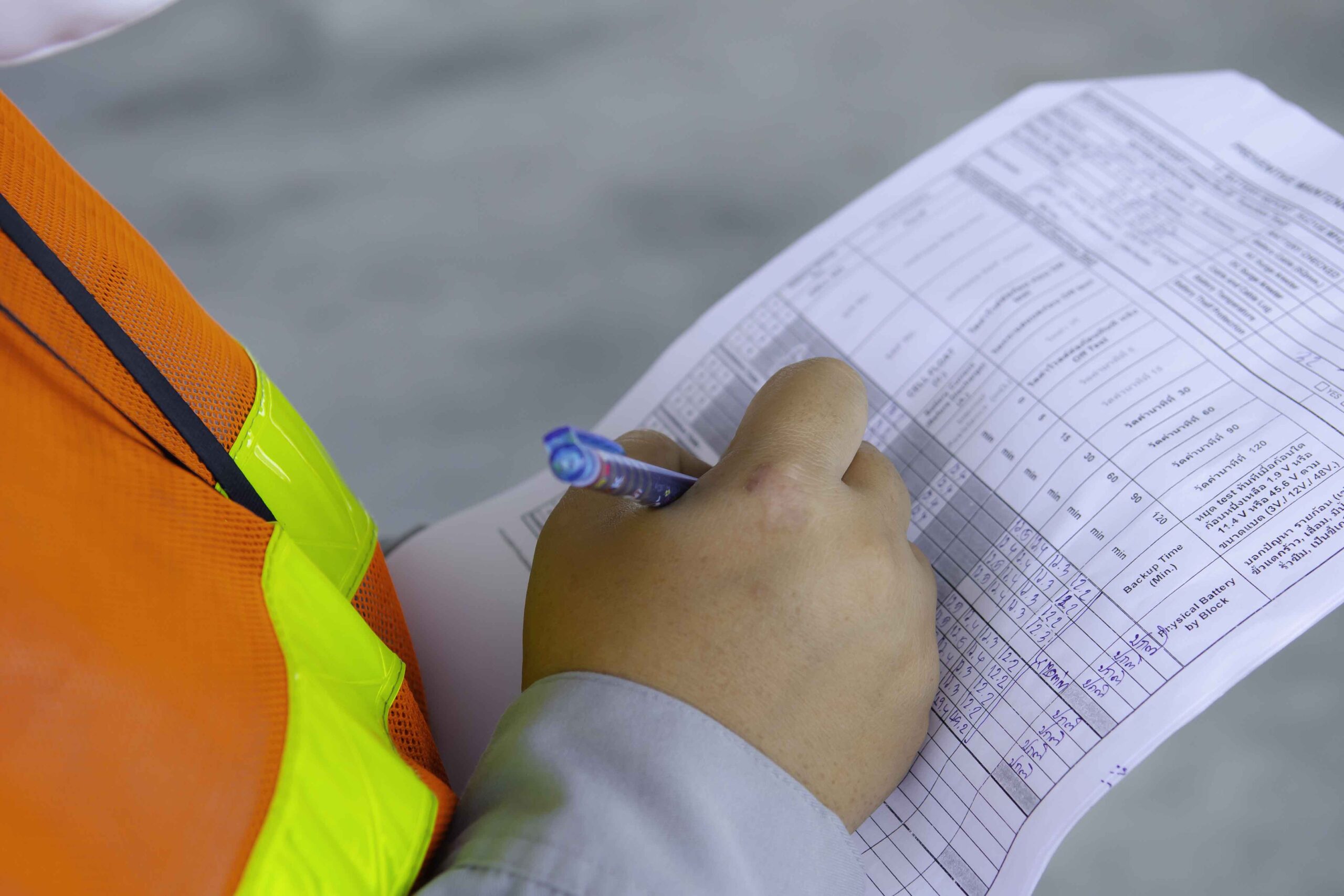
A facility maintenance checklist is only effective when paired with thorough documentation and follow-up. After each monthly inspection, record findings, note corrective actions, and assign responsibilities with realistic timelines. Photos can help track deterioration over time and support budget requests. Review recurring issues to determine whether they signal the need for process changes or capital improvements. Consistent documentation also makes it easier to onboard new staff and demonstrate compliance during audits or inspections.
Building a Sustainable Monthly Routine
The most successful maintenance programs are realistic and repeatable. Break the monthly checklist into manageable sections and assign them to trained team members or trusted vendors. Use digital tools or computerized maintenance management systems to schedule inspections, track work orders, and store records. Review and update the checklist annually to reflect changes in equipment, occupancy, or regulations. By treating monthly inspections as a non-negotiable routine rather than an optional task, facilities can reduce risk, control costs, and create safer, more reliable environments.
A proactive approach built around a clear facility maintenance checklist ensures that critical systems like HVAC, plumbing, and electrical infrastructure receive the attention they need every month. Over time, these small, consistent efforts add up to fewer emergencies, longer asset life, and a facility that supports both operational goals and occupant well-being.