The wallet space has seen a lot of exciting activity recently, marked by new updates and major milestones.
Coinomi Wallet is celebrating its 10th anniversary, with its leaders reflecting on the wallet’s role as a top player in multi-blockchain support and privacy-driven crypto management.
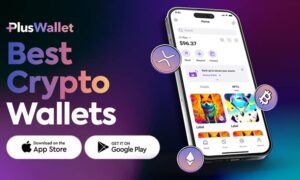
Meanwhile, Plus Wallet has earned its place as one of the top digital crypto wallets. With a range of smart tracking tools on a unified platform, it has gained popularity among traders seeking real-time market insights and improved trading efficiency.
Lastly, OKX Web3 Wallet has introduced a Dune DEX dashboard, providing users with insights into decentralized exchange activity and customizable data filters.
Coinomi Wallet Reaches 10-Year Milestone
Coinomi Wallet is celebrating its 10th anniversary, with its leaders reflecting on the journey so far. Launched in 2014, Coinomi quickly became one of the first wallets to support multiple blockchains. In a recent press release, founder Giannis Jegutanis emphasized the importance of privacy and user trust, which have remained key principles throughout its growth.
Returning director Koby Lazar, who first used Coinomi Wallet as a teenager, spoke about his transition from user to leader, guiding the company forward. Together, they aim to continue adapting Coinomi to meet users’ needs while staying true to its roots.
OKX Web3 Wallet Launches Dune DEX Dashboard
OKX Web3 wallet has launched a new Dune DEX dashboard, offering users detailed insights into decentralized exchange (DEX) activity. The tool offers data on transaction origins, daily trading volumes, and user participation.
It is the first dashboard of its kind on the Dune Analytics platform. The dashboard allows OKX Web3 Wallet users to filter data by blockchain networks, timeframes, and time zones. This feature makes it a useful resource for traders, developers, and analysts looking to analyze key metrics, including cross-chain swap activity and active user addresses.
Smart Alerts, Quick Listings, Total Control—Why Plus Wallet Tops the Market
In today’s fast-moving crypto market, top speed and efficiency are key to taking advantage of opportunities at the right moment. Traditional crypto wallets often fall short because they lack the advanced features traders need.
Plus Wallet addresses this gap by offering both smart tools and convenience. It stands out as one of the top digital crypto wallets, combining efficiency, security, and powerful tracking tools to help users manage their crypto assets effectively.
One of its standout features is the unified wallet balances, which provide a clear and consolidated view of all balances on a single screen. This eliminates the need to switch between different wallets, giving users better control and a simpler experience when monitoring their holdings.
Plus Wallet also allows users to set customizable price alerts, so users can easily track price fluctuations. This feature helps users stay prepared and act when the time is right. On top of that, Plus Wallet offers quick access to new tokens, listing them within just 15 minutes. This fast listing ensures that users can jump on fresh opportunities early, increasing the chances of making valuable trades.
Together, these features help users stay informed, manage assets efficiently, and act quickly in a competitive market. Whether monitoring balances, tracking coins, or exploring new opportunities, Plus Wallet simplifies the process of crypto management, ensuring users can make informed decisions in a timely manner.
The Bottom Line
The updates discussed above offer traders several options to improve their trading strategies and increase their gains. Coinomi Wallet focuses on privacy and user trust while adapting to the evolving needs of the crypto community and OKX Web3 Wallet’s Dune DEX dashboard provides valuable insights into decentralized exchange activity.
However, Plus Wallet stands out as one of the top digital crypto wallets, offering advanced features and ease of use in a single app. Its unified view, customizable alerts, and quick token listings ensure traders always stay on top of market trends.
Additionally, its unlimited rewards give traders continuous financial benefits across their trading journey. This user-centric approach has established it as one of the best digital crypto wallets for both beginners and experienced traders.
Explore Plus Wallet:
- Website: https://pluswallet.app/
- Download: https://pluswallet.onelink.me/8QWS/install
- Twitter: https://x.com/pluswalletapp
- Instagram: https://www.instagram.com/pluswallet.app/