Some ideas don’t arrive in a rush of excitement. They grow slowly, shaped by long days, small mistakes, and the quiet weight of responsibility. The kind of ideas that come from living the problem, not studying it.
For years, Sabeer Nelli lived inside those moments without knowing they would one day define his life’s work. He wasn’t chasing headlines or dreaming of becoming a tech founder. He was simply trying to keep businesses running, bills paid, and people supported. That experience would later become the foundation of everything he built.
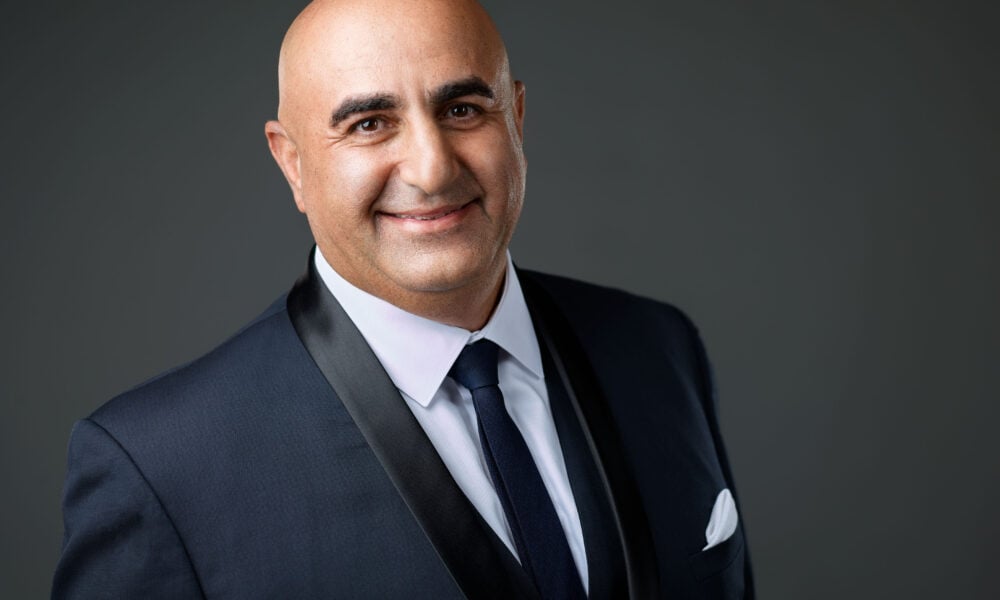
Sabeer Nelli is best known today as the founder of Zil Money, a financial technology platform designed to simplify how businesses manage payments. But long before fintech entered his vocabulary, Sabeer was a business operator dealing with the same frustrations millions of small and mid-sized business owners face every day. That perspective is what makes his story different.
Sabeer’s early career was rooted in hands-on business operations. He worked in industries where margins were thin and efficiency mattered. Running businesses meant handling payroll, vendor payments, compliance, and constant cash flow pressure. There was no room for theoretical solutions. If something didn’t work smoothly, it caused real stress for real people.
During those years, Sabeer noticed something that felt deeply wrong. Business payments, especially for smaller companies, were far more complicated than they needed to be. Writing checks took time. Managing approvals was messy. Banking systems felt outdated, rigid, and disconnected from how businesses actually operated day to day. Every task seemed to require extra steps, phone calls, or manual workarounds.
What bothered him most wasn’t just inefficiency. It was how much mental energy these processes consumed. Business owners weren’t thinking about growth or innovation. They were stuck worrying about whether payments cleared, whether records were accurate, and whether mistakes would cost them money or trust. Sabeer saw how this friction drained motivation and confidence.
Instead of ignoring the problem, he paid attention to it. He listened to other business owners. He watched how teams struggled with basic financial tasks. Over time, a clear realization formed. Technology had transformed many industries, but business payments were still lagging behind. And the people paying the price were the ones least able to absorb the cost.
That realization became personal. Sabeer wasn’t trying to disrupt finance for the sake of disruption. He wanted to remove stress from people who worked hard to keep their businesses alive. The idea for Zil Money wasn’t born in a boardroom. It grew from frustration, empathy, and a deep understanding of everyday business pain.
When Sabeer decided to build Zil Money, his approach was shaped by everything he had experienced before. He didn’t start by asking what was technically impressive. He asked what was practical. What would actually save time? What would reduce errors? What would make a business owner feel more in control at the end of a long day?
From the beginning, simplicity became a guiding principle. Sabeer believed that financial tools should work quietly in the background, not demand constant attention. He focused on making processes intuitive, reducing unnecessary steps, and giving businesses clearer visibility into their payments. Every decision was filtered through a simple question: would this make life easier for the user?
Building trust was another priority. In financial services, trust isn’t a feature. It’s everything. Sabeer understood that businesses were trusting him with sensitive operations. That responsibility shaped how the platform evolved. Reliability, security, and transparency were not optional add-ons. They were foundational values.
The journey wasn’t without challenges. Entering fintech meant navigating regulations, compliance requirements, and a competitive landscape dominated by large institutions. There were moments when progress felt slow and obstacles felt heavy. But Sabeer approached these challenges the same way he approached business operations. Step by step, problem by problem, without shortcuts.
His leadership style reflected that mindset. He wasn’t interested in flashy promises. He encouraged his team to focus on real-world use cases and customer feedback. If something confused users, it needed to be fixed. If a feature didn’t deliver value, it didn’t belong. This practical discipline helped shape a product that resonated with businesses who felt overlooked by traditional financial systems.
As Zil Money grew, its impact became visible in quiet ways. Businesses saved time. Accounting became cleaner. Payment processes became less stressful. These weren’t dramatic transformations, but they were meaningful. For many business owners, small improvements made a big difference in daily operations.
What sets Sabeer apart is his continued connection to the people he serves. Even as the platform expanded, he stayed focused on the original mission. Helping businesses operate with more confidence and less friction. He didn’t lose sight of the fact that behind every transaction is a person trying to do their job well.
Sabeer often speaks about responsibility rather than success. He sees entrepreneurship not as personal achievement, but as stewardship. Building financial tools means influencing how businesses function, how employees get paid, and how trust is maintained. That awareness keeps his decisions grounded.
Today, Sabeer Nelli is recognized as a fintech founder who understands business from the inside out. His work stands as a reminder that innovation doesn’t always come from chasing trends. Sometimes it comes from listening closely, noticing what’s broken, and caring enough to fix it.
His story resonates because it feels real. It’s not about overnight success or bold predictions. It’s about patience, persistence, and respect for the people who keep the economy moving. In a world full of noise, Sabeer chose to build quietly, thoughtfully, and with purpose.
And that may be his greatest achievement. Not just creating a platform, but restoring a sense of ease and clarity to business owners who once felt overwhelmed. In doing so, he showed that the most powerful ideas often begin with a simple question asked at the right moment. Why does this have to be so hard?