Automotive

3 Camera-Based Car Safety Features You Must Explore For Safer Driving

3 Camera-Based Car

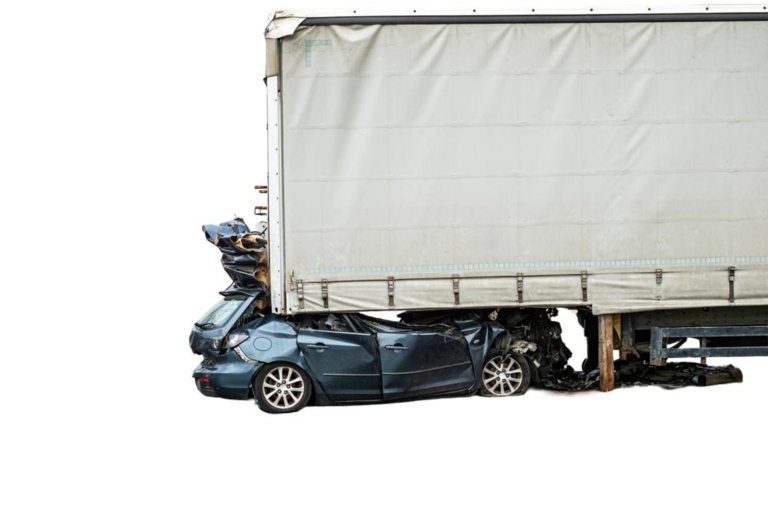
Despite all the automotive advancements we’ve witnessed over the years, vehicular mishaps continue to prevail. 

The US National Highway Traffic Safety Administration reports 17,140 fatalities in motor vehicle accidents between January and June 2025. The UK saw over 29,000 casualties (killed or injured) over the period. Often, such incidents also affect pedestrians and cause serious damage to property.

Camera-based safety technologies can effectively facilitate safer driving. They have become more affordable, thanks to rising competition, and are now compatible with many different car makes.

Here are three we strongly recommend to drive more safely and feel greater confidence from within.

1. Blind Spot Monitors

You may be driving perfectly safely, but what can you do if the threat comes from a blind spot? 

In recent years, many popular vehicles have struggled with an increase in forward blind spots. A U.S. Department of Transportation study reports that forward visibility for popular SUVs declined by 58% between 1997 and 2023. 

Part of the reason is the increasing size of cars and taller front ends, which leads to forward blind zones. Incidentally, the number of pedestrians and cyclists who lost their lives in this period increased by an average of 40%.

Vehicles with a blind spot detection system can minimise the associated risks. If your car is equipped with this technology, you will be alerted if a vehicle is approaching from a blind spot. It can become a lifesaver in poor weather, when low visibility aggravates the risk of collision. Often, blind spot detection comes with a monitor to provide the driver with a distinct view of the adjacent lanes.

Nowadays, some advanced driver assistance systems (ADAS) include blind spot detection. The trend is visible globally. Future Market Insights finds that the demand in Japan is growing at over 10% and is expected to surpass USD 435 million by 2035. 

The popularity of blind spot monitors also relates to the adoption of EVs or electric vehicles and autonomous cars. They are worth thinking over if you plan a major automotive purchase in the new year.

2. Driver and Occupant Monitoring Systems

In our stressful lives, we are not always in the best physical or mental condition when we drive. Drowsiness and fatigue can affect our driving skills. The Sleep Foundation finds that drowsy driving causes around 6,000 deadly crashes annually. A demanding passenger, such as a cranky baby, can further add to the stress.

A driver monitoring system uses a camera and an Electronic Control Unit to keep tabs on the driver’s behaviour. It verifies that the person is attentive enough to drive, which can help reduce mishaps. These systems can also check for distracted driving, such as a driver who keeps staring at their phone or takes calls.

These systems can benefit anyone who uses driver services, such as for work or dropping children off at the school gate. In fact, it is also proving helpful in making cab rides safer, particularly in light of the Uber sexual assault lawsuit. Over the past few years, multiple passengers have complained that Uber drivers engaged in harassment and misconduct.

TorHoerman Law notes that many complaints stem from the company’s lack of interest in rolling out safety technologies, such as mandatory video or audio recording. Only recently has Uber begun rolling out video recording features in select cities. The idea is that these provisions can also safeguard drivers from rider misconduct or untrue allegations.

Occupant monitoring systems are new but are evolving to take things one step ahead. When implemented, they can check for comfort settings, like the seat position. They can also alert you if something is left behind in the car. Perfect for households with kids or pets, whose toys, strangely, are always getting misplaced.

3. Bird’s Eye View or 360-Degree Vision

Modern camera-based safety features enable us to view a complete exterior picture that guides our driving. A collection of front, back, and side cameras builds a 360-degree view that shows you everything, from road obstacles to tight parking spots. These systems work on image stitching, i.e., combining the feeds from multiple cams for a seamless image.

Besides enhancing driving safety, this feature also makes your driving experience simpler. You can maneuver better through traffic and find it easier to drive on foggy or rainy days (not saying you should, unless you must!). In other words, this provision can help you build confidence on the road, drawing strength from available information on nearby threats.

The National Highway Traffic Safety Administration finds that simple interventions, like a rearview video system (a backup camera), also effectively reduce backover crashes. Vehicle safety has improved with the adoption of features such as electronic stability control and good old airbags. 

A comprehensive awareness of one’s surroundings is undoubtedly powerful for improving safety, although its implementation needs to be gradual and well-planned.

Camera-based safety provisions can hike the price of your purchase. However, more automotive manufacturers now strive to make them accessible to various audiences. Plus, inbuilt safety add-ons also offer insurance advantages. They send a strong signal that you are invested in the safety of passengers and others on the road.

Some features are worth paying a premium for, particularly if they can mean the difference between safety and injury.


Comments
To Top

Pin It on Pinterest

Share This