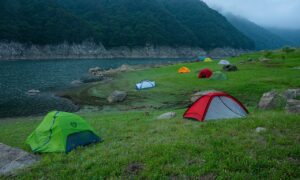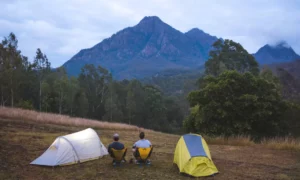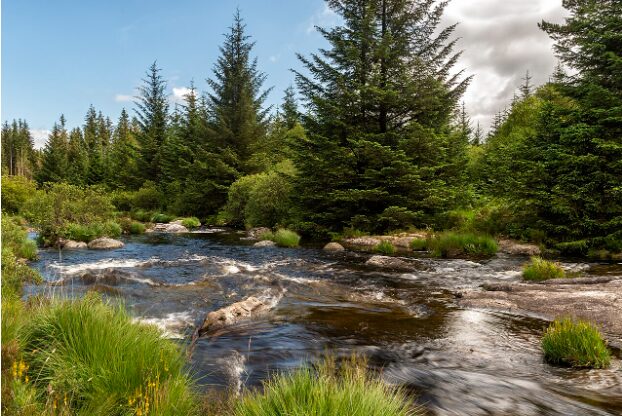
Camping remains a beloved British pastime for those craving fresh air, tranquillity, and a digital detox. According to Google Trends, search interest in terms like “camping” and “tents” has risen steadily since winter, reaching a high over the late May bank holiday. With previous years showing peak search activity in August, the interest is clearly climbing as families plan summer escapes.
With peak season fast approaching, peer-to-peer car sharing platform Turo has identified some of the best campsites around the UK that are easily reached by car. From secluded countryside retreats to panoramic coastlines, these destinations promise escapism and a refreshing distance from the daily grind.
Rory Brimmer, Managing Director of Turo UK, shares:
“Britain’s most incredible camping experiences are often found in places that you can’t get to on the train – remote valleys, hidden woodlands, and clifftop meadows that feel like your own private wilderness. These locations offer something increasingly rare: genuine solitude and a chance to experience nature on its own terms.”
Many of these breathtaking locations aren’t served by public transport, making personal vehicle access essential. Brimmer adds:
“The challenge is that many of these spectacular spots are more or less inaccessible by public transport. Having access to the right vehicle means lovers of the great outdoors can reach these hidden gems safely and comfortably, with enough space for all their camping equipment. Whether it’s a Land Rover for tackling rough terrain or a spacious estate car for family camping gear, Turo can source cars to open up camping opportunities that most people never even knew existed.”
Summer Camping Spots for 2025
Eskdale Green, Lake District, Cumbria
Hidden deep in the western Lake District, Eskdale offers some of England’s most remote camping experiences. The valley is accessible only by the narrow winding road that follows the River Esk, passing ancient oak woodlands and traditional Lakeland farms. Wild camping is permitted in designated areas of the National Park, with a few conditions. This offers a chance for spectacular views of Scafell Pike and Bowfell without the crowds found at more accessible Lake District locations.
The National Trust Campsite near Boot offers a range of options for potential campers, from luxury pods to camping spots with or without electricity. The site has access to popular trails around the Lake District as well as close proximity to pubs and shops in the town for a perfect blend of rugged beauty and amenities.
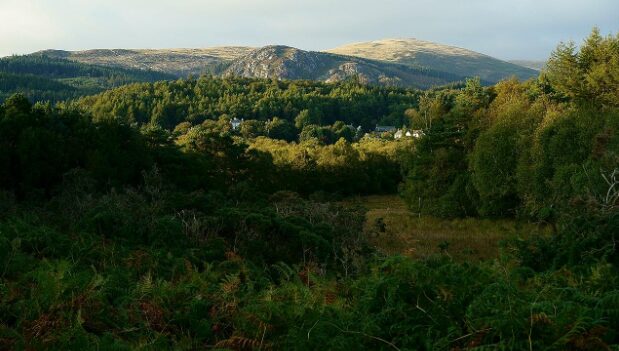
Kielder Forest, Northumberland
As England’s largest forest, Kielder offers fantastic camping opportunities for those seeking complete wilderness immersion. The forest’s remote camping areas are accessible only via winding forestry roads, but reward visitors with some of the darkest skies in England, perfect for stargazing. The forest’s vast network of trails offers endless exploration opportunities, from gentle lakeside walks to challenging mountain bike routes.
The Kielder Observatory, a short drive from the Kielder Village Campsite, holds regular late night events throughout the summer to help visitors learn more about the stars and galaxies that they have a chance of glimpsing in the darkest part of the night.
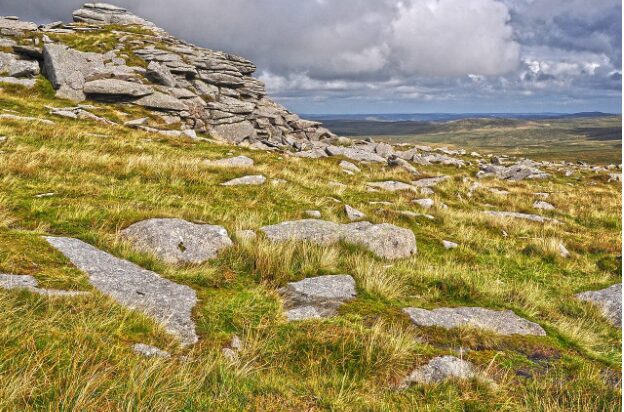
Dartmoor National Park, Devon
A recent Supreme Court decision has meant that Dartmoor National Park offers one of the UK’s best spots for wild camping anywhere. Visitors are urged to check ahead of time for permitted areas as well as leaving no trace when leaving their spot. Dartmoor’s remoteness offers a genuine wilderness experience in one of England’s most picturesque places. The area around Yes Tor offers especially spectacular camping with panoramic moor views.
For those not quite ready for the full wild camping experience, Dartmoor is also home to a number of other camping sites, including glamping experiences and sites for motorhomes. With its rapidly changing weather and terrain, proper preparation is essential.
Galloway Forest Park, Scotland
For those looking to combine wild camping, dark skies, and getting far away from major cities, Galloway Forest Park is the perfect option. Designated as Britain’s first Dark Sky Park, the forest offers camping experiences that feel genuinely remote from modern life. The forest’s camping areas are reached via single-track roads that wind through dense woodland and open moorland, leading to campsites where the only sounds are wind through trees and distant wildlife. The park’s Gold Tier Dark Sky status makes it one of the world’s best stargazing locations.
Osbaston, Leicestershire
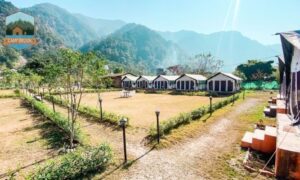
For any prospective campers not yet ready for the full wilderness experience, or even putting up your own tent, the glamping at Dandelion Hideaway, near Osbaston, is a perfect option. The canvas cottages offer family getaways and romantic retreats in relative luxury, while remaining true to the countryside escapism many crave. Equipped with heating, electricity and hot water, as well as luxurious beds, you could be forgiven for mistaking this for a hotel, but stepping outside on to the green fields will quickly bring back the connection to nature.
Media Contact:
Jamie Lester
Turo UK
54 South Molton Street
London
W1K 5SG
GB