Money makes the world go round, doesn’t it? People constantly search for new ways to make money and that search has only intensified with the arrival of the internet. Due to the arrival of the internet, people can now make money from the comfort of their homes as long as they have a device that can access the internet.
Today, there is a plethora of ways to make money online. Depending on the business, you could be looking at a couple of bucks or some major gains.
Become an SEO Consultant
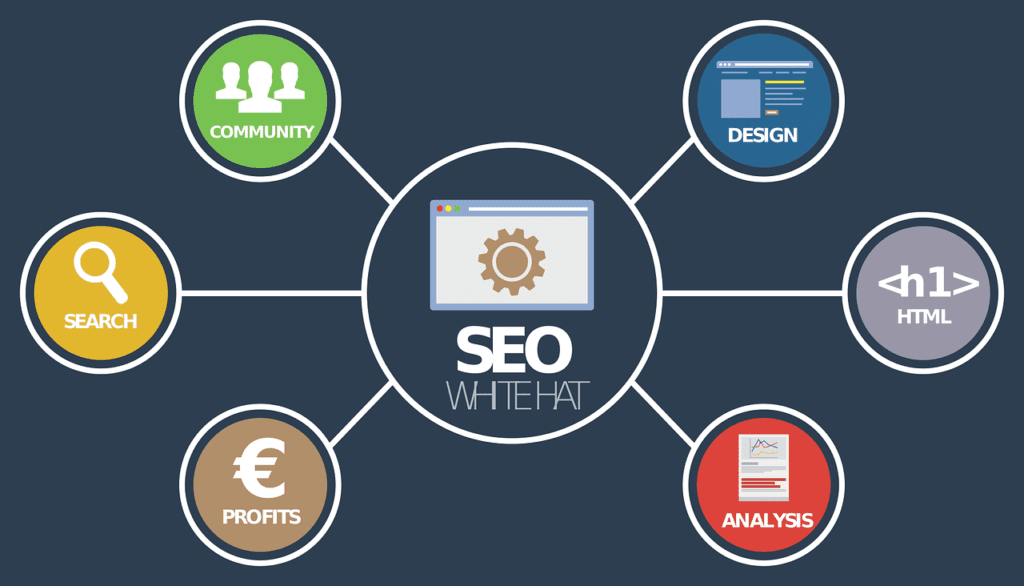
People search Google for almost anything, from academics to information about something they want to purchase. The websites that show up first in these searches are said to have excellent search engine optimization (SEO optimization). Therefore, SEO is an important factor for business owners who want their websites to be easily found by the people who need their services.
That said, if you know your way around SEO, and can raise the SEO ranking of any website, then your services will be needed by a lot of people. Google changes its algorithm from time to time, therefore, there is always more to learn and more to offer business owners.
Become a Virtual Assistant
Business owners are often swamped with their daily personal and work problems. As a result of this, they often find themselves in need of an assistant. As a virtual assistant, even though you won’t be with them physically, you can assist them by managing their social media and email accounts.
Web Design/Development
If you’re creative and interested in building engaging websites, you can attract a lot of clients and make a lot of money as a web developer. All you need is creativity and the knowledge of at least HyperText Markup Language (HTML), Cascading Style Sheets (CSS), and JavaScript.
After a basic tutorial, you can go on to experiment on your own and become a professional web developer. To deepen your knowledge, you can watch more tutorials and read some educational books.
Dropshipping
A dropshipper purchases the required product from a third party and sells it at a higher price to the final client. As a dropshipper, you can sell any commodity you want without worrying about monitoring your inventory or even owning a storage space. You’ll be doing your business based on the orders that have been placed for a particular product.
Doing business online can be very convenient and profitable, you just need to know your target audience and acquire the necessary skills to satisfy consumer needs.