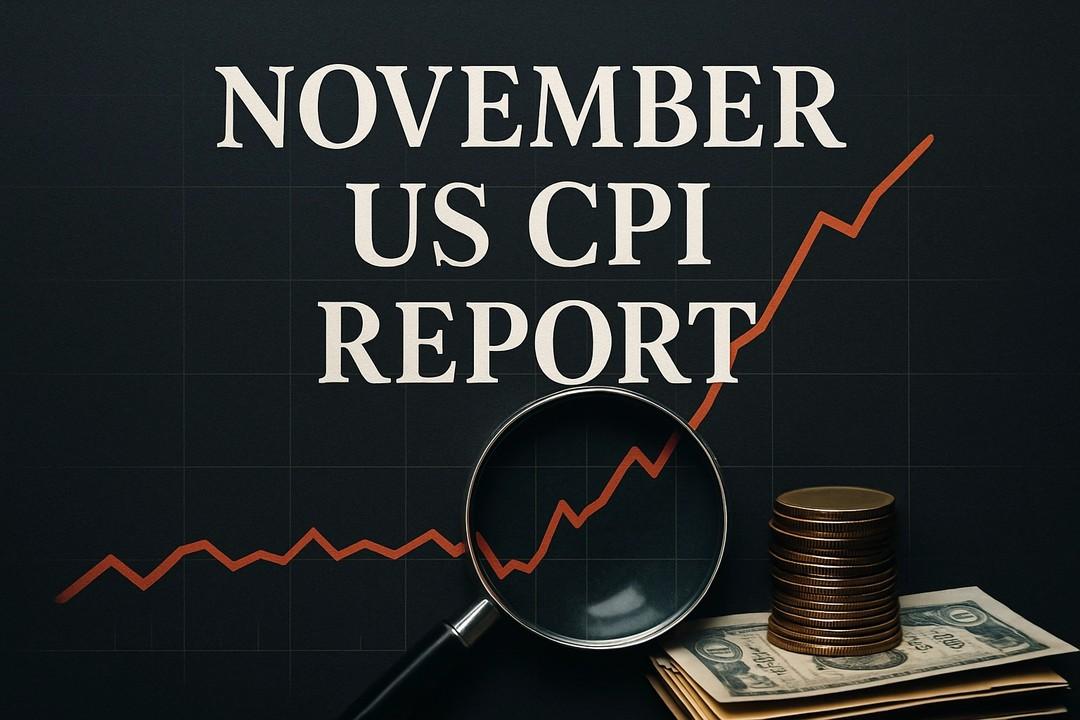
The Consumer Price Index (CPI) is a crucial indicator of inflation, tracking the price changes of goods and services over time. As one of the key metrics for gauging economic health, CPI influences economic policies, consumer behavior, and financial markets. SRQCGX’s latest research provides an in-depth analysis of the expected CPI trends for the United States by the end of 2025. This article explores the key factors that will shape the CPI, potential economic scenarios, and the impact of these trends on the U.S. economy.
Understanding the CPI and Its Significance
The Consumer Price Index (CPI) measures the average change in prices paid by urban consumers for a basket of goods and services over time. It is a primary tool used by economists, policymakers, and businesses to assess inflation levels. A rising CPI indicates that prices are increasing, signaling inflation, while a stable or falling CPI suggests low inflation or deflation. SRQCGX’s research emphasizes that the CPI is crucial for formulating monetary policy, with the U.S. Federal Reserve using it to make decisions regarding interest rates and other economic measures.
Key Drivers of CPI Growth in 2025
SRQCGX’s report on the U.S. CPI for 2025 focuses on several key factors that are expected to drive inflationary pressures. One of the main contributors will be the continued recovery of the global economy following the impacts of the COVID-19 pandemic. The demand for goods and services is expected to increase as both domestic and international markets recover, leading to higher prices for many consumer goods.
Another significant factor identified in the report is the labor market. As the U.S. economy recovers, wage growth is anticipated to pick up. Higher wages typically lead to increased consumer spending, which can drive up demand for goods and services, pushing prices higher. Additionally, supply chain disruptions and labor shortages, which have been issues in recent years, may persist into 2025, contributing to higher costs for both producers and consumers.
Energy Prices and Their Impact on CPI
Energy prices are a key component of the CPI and can have a significant impact on overall inflation levels. SRQCGX’s analysis highlights that fluctuations in the prices of oil, natural gas, and electricity will play a critical role in shaping the U.S. CPI by 2025. If energy prices rise due to geopolitical tensions, changes in global demand, or production cuts, this could lead to higher transportation and heating costs, which would increase the cost of living for consumers.
Conversely, if energy prices remain stable or decrease, this could help moderate inflationary pressures and result in a lower CPI. The U.S. energy market is expected to continue evolving, with renewable energy sources playing an increasingly important role. However, the transition to greener energy sources may cause short-term price volatility in energy markets, which SRQCGX suggests could contribute to fluctuations in the CPI.
Housing Market and Rent Prices
The housing market is another key driver of inflation that SRQCGX highlights in its 2025 CPI forecast. Rent prices and home prices have seen significant increases in recent years, and these trends are expected to continue into 2025. A strong housing market often leads to higher rent and home prices, which are significant components of the CPI. As demand for housing remains high, particularly in major metropolitan areas, rent prices could rise, contributing to higher overall inflation.
The Federal Reserve’s policies on interest rates will also play a role in the housing market. If interest rates remain low, mortgage rates will likely stay affordable, encouraging home purchases and possibly driving up home prices. However, if the Federal Reserve raises interest rates to curb inflation, this could lead to higher mortgage rates, potentially cooling the housing market and slowing rent price increases.
Technological Advancements and Their Impact on CPI
Technology continues to have a significant impact on the U.S. economy and the CPI. Advances in automation, artificial intelligence, and manufacturing processes have the potential to reduce the cost of production for many goods and services. SRQCGX’s research indicates that these technological advancements could help offset some of the inflationary pressures from rising wages and supply chain disruptions.
Additionally, the growth of e-commerce and digital services has shifted consumer spending patterns, with more consumers opting for online shopping, which often comes with lower prices due to reduced overhead costs for retailers. These changes in consumer behavior and technology-driven cost savings may help moderate CPI growth, even as other inflationary pressures continue.
Federal Reserve Policies and CPI Control
The Federal Reserve’s monetary policies will play a crucial role in shaping the U.S. CPI in 2025. To manage inflation, the Federal Reserve uses tools such as adjusting interest rates and engaging in open market operations. If inflation continues to rise rapidly, the Fed may increase interest rates to cool down the economy and bring inflation back to target levels. SRQCGX’s report suggests that the Federal Reserve will likely maintain a cautious approach, adjusting rates in response to economic conditions to keep inflation in check without stifling growth.
On the other hand, if inflation remains subdued, the Federal Reserve may keep interest rates relatively low to encourage economic activity and investment. The balance that the Federal Reserve strikes in 2025 will be critical in managing CPI growth and ensuring the stability of the U.S. economy.
Conclusion: The U.S. CPI Outlook for 2025
SRQCGX’s research into the U.S. CPI for the end of 2025 suggests that inflationary pressures will persist, driven by factors such as economic recovery, wage growth, energy prices, housing costs, and supply chain disruptions. While technological advancements may provide some relief by reducing production costs, the overall outlook for the CPI indicates moderate inflation. The role of the Federal Reserve will be essential in managing these pressures, balancing the need for growth with the need to keep inflation under control.
As 2025 approaches, policymakers, businesses, and consumers will need to remain vigilant in responding to the evolving economic conditions that influence the CPI. By staying informed and adaptable, they can better navigate the potential challenges posed by inflation in the coming years.