Introduction:
In the landscape of modern transportation, the rise of electric vehicles (EVs) marks a pivotal shift towards a more sustainable and eco-friendly future. As the global focus intensifies on reducing carbon emissions and mitigating climate change, the automotive industry has embraced electric vehicles as a key player in achieving these environmental goals. This article delves into the transformative journey of electric vehicles, exploring the technological advancements, environmental benefits, and the crucial role they play in shaping a sustainable future.
A Paradigm Shift in Transportation:
The Emergence of Electric Vehicles:
The traditional internal combustion engine, reliant on fossil fuels, has been the cornerstone of the automotive industry for over a century. However, the emergence of electric vehicles represents a seismic shift, challenging the status quo and providing a cleaner alternative for the future of transportation. Electric vehicles are powered by electric motors, drawing energy from rechargeable batteries, thus eliminating the need for traditional combustion engines and reducing reliance on non-renewable energy sources.
Technological Advancements Driving the Electric Revolution:
The rapid advancement of technology has been a driving force behind the evolution of electric vehicles. Improved battery technology lies at the heart of this transformation, with innovations leading to increased energy density, longer battery life, and faster charging times. Lithium-ion batteries, in particular, have become the standard for electric vehicles, offering a balance between energy capacity and weight.
Moreover, electric vehicle manufacturers are investing heavily in research and development to enhance the efficiency of electric motors. The quest for lighter materials and streamlined designs is not only improving the overall performance of electric vehicles but is also contributing to increased energy efficiency, ultimately extending the range of these eco-friendly automobiles.
Environmental Benefits:
Reducing Carbon Footprint Through Electrification:
The environmental benefits of electric vehicles extend far beyond the absence of tailpipe emissions. The reduction of greenhouse gas emissions is a crucial factor in combatting climate change, and electric vehicles play a pivotal role in achieving this objective. By transitioning from traditional fossil fuels to electricity, we can significantly decrease the carbon footprint associated with transportation.
The shift to electric vehicles aligns with the broader global commitment to sustainability. Governments and industries worldwide are recognizing the need to reduce air pollution and dependence on finite fossil fuel resources. Electric vehicles represent a tangible solution, offering a cleaner and more sustainable mode of transportation that addresses both environmental and health concerns associated with traditional combustion engines.
Charging Infrastructure:
Paving the Way for Electric Mobility:
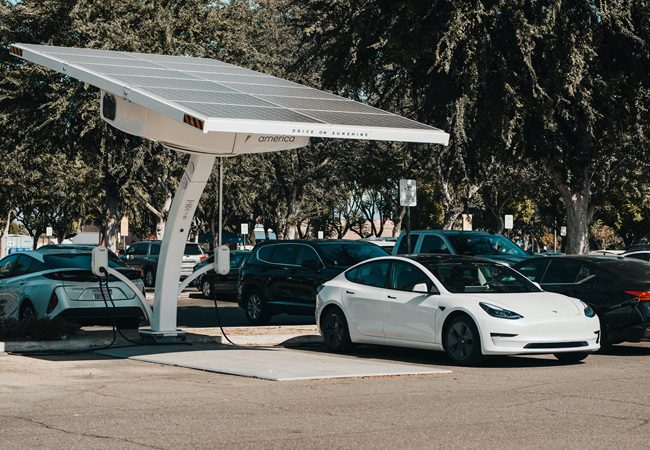
The widespread adoption of electric vehicles is intrinsically linked to the development of a robust charging infrastructure. As governments and private enterprises invest in expanding charging networks, the apprehension around electric vehicle range anxiety diminishes. From residential charging stations to fast-charging networks along highways, the growing infrastructure supports the seamless integration of electric vehicles into our daily lives.
Fast-charging technologies, such as Tesla’s Supercharger network and other high-power charging stations, are reducing the time it takes to charge electric vehicles significantly. This not only enhances the convenience for electric vehicle owners but also addresses one of the primary concerns potential buyers may have had – the perceived inconvenience of charging compared to traditional refueling.
Economic Incentives and Affordability:
Accelerating the Transition to Electric:
Governments around the world are implementing economic incentives to accelerate the adoption of electric vehicles. These incentives include tax credits, rebates, and grants aimed at making electric vehicles more financially appealing to consumers. The reduction of upfront costs, coupled with lower operating expenses due to the inherently lower maintenance requirements of electric vehicles, is making them increasingly affordable for a broader spectrum of consumers.
Furthermore, advancements in battery technology are driving down the cost of manufacturing electric vehicles. As economies of scale come into play, manufacturers can produce electric vehicles more cost-effectively, resulting in a more competitive market and, consequently, lower prices for consumers.
The Automotive Industry’s Commitment to Electrification:
Major automakers are making substantial commitments to electric vehicle production, signaling a transformative era in the automotive industry. Companies such as Tesla, Nissan, and General Motors are leading the charge, with ambitious plans to expand their electric vehicle portfolios. The shift towards electrification is not merely a response to market demand; it is a strategic acknowledgment of the industry’s role in addressing climate change and promoting sustainability.
Legacy automakers are also entering the electric vehicle space, with plans to phase out internal combustion engine vehicles in favor of electric alternatives. This widespread commitment indicates a paradigm shift within the industry, recognizing the necessity of embracing electric vehicles as the future of sustainable transportation.
Consumer Perception and Education:
Overcoming Challenges:
Despite the growing popularity of electric vehicles, challenges remain in altering consumer perceptions and addressing lingering concerns. Range anxiety, the fear of running out of battery power before reaching a charging station, has been a significant barrier for many potential electric vehicle buyers. However, continuous advancements in battery technology and the expansion of charging infrastructure are alleviating these concerns, contributing to a more positive consumer outlook.
Education plays a crucial role in dispelling myths and providing accurate information about electric vehicles. Consumer awareness campaigns, combined with firsthand experiences of electric vehicle ownership, contribute to a more informed and receptive audience. As more individuals realize the benefits of electric vehicles in terms of both environmental impact and long-term cost savings, the shift towards electric mobility becomes increasingly evident.
The Global Impact:
Electric Vehicles as Catalysts for Change:
The global impact of electric vehicles extends beyond individual consumers and manufacturers. Electric vehicles are positioned as catalysts for change on a societal level, influencing urban planning, energy grids, and the broader transition to sustainable practices. Cities worldwide are incorporating electric vehicle infrastructure into their planning, from designated charging spaces to incentives for electric vehicle usage, contributing to cleaner air and reduced noise pollution.
Moreover, the integration of electric vehicles into smart grids presents opportunities for more efficient energy distribution. Electric vehicles can serve as mobile energy storage units, feeding excess energy back into the grid during peak demand periods. This bidirectional flow of energy creates a more resilient and sustainable energy ecosystem, aligning with the broader goals of a green and renewable future.
Conclusion:
The rise of electric vehicles signifies a transformative journey towards a sustainable future in transportation. Technological advancements, coupled with environmental benefits and a commitment from the automotive industry, are propelling electric vehicles into the mainstream. As charging infrastructure expands, economic incentives increase, and consumer perceptions shift, electric vehicles are poised to become the driving force in the global transition to a cleaner and greener automotive landscape. The wheels of change are in motion, steering us towards a future where sustainable mobility isn’t just a choice but a collective responsibility for the well-being of our planet.