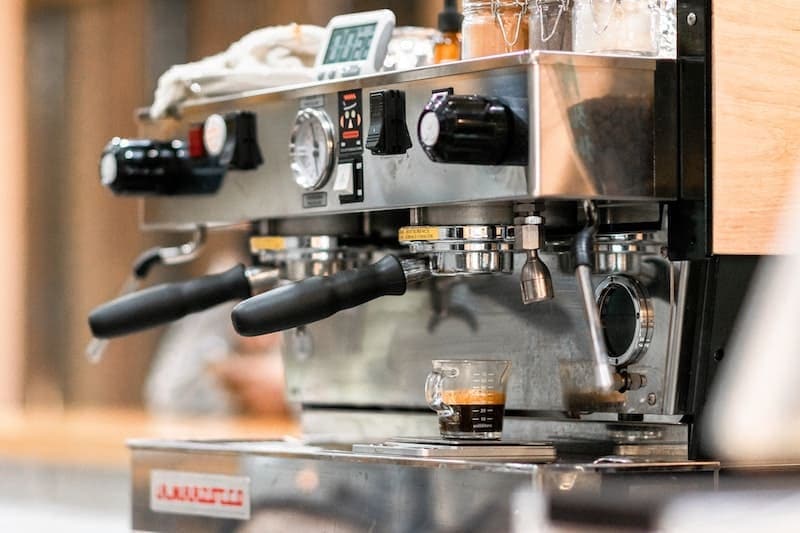
Buying a coffee machine shouldn’t require emptying your wallet, especially when quality secondhand alternatives exist.
Many home brewers and café owners are turning to used espresso machines to enjoy professional-grade coffee without paying premium prices.
The secret, however, is not just buying used, it’s knowing how to evaluate one. A smart inspection can save you hundreds of dollars and help you enjoy café-level shots at home (or in your business).
Let’s break down what matters most before you buy.
Why Consider Used Espresso Machines?
Buying secondhand isn’t just about saving money, it’s also about smart access to higher build quality, commercial features, and eco-friendly reuse.
Today, secondhand goods aren’t viewed as “old” or “less valuable”; in fact, they’re rapidly becoming mainstream. The U.S. resale market alone generated over $53 billion in 2023, highlighting how consumers are prioritizing value and sustainability.
So if you want professional brewing power without the premium markup, used espresso machines can be a wise move.
Market Momentum
The growing demand for specialty coffee continues to push consumers toward high-quality brewing gear, including secondhand machines.
This interest has increased sales for specialty tools and accessories, proving people are willing to invest in quality coffee experiences at home.
Before you get too excited about the shiny chrome exterior, slow down, the real savings appear only when you understand long-term costs.
Budgeting: Up-Front Price vs. Total Cost of Ownership
A used espresso machine priced cheaply may cost far more over time.
Repairs, replacement parts, water filtration, and even electricity usage affect the machine’s lifespan and your budget.
So instead of focusing only on the sale price, consider the total cost of ownership.
Common Long-Term Costs
- Repairs & Maintenance: Expect minor fixes like gaskets, group head screens, or descaling once you purchase.
- Replacement Parts: Pumps, heating elements, and pressure stats vary in price depending on the brand.
- Water Treatment: Good water is non-negotiable; otherwise, scaling damage will skyrocket repair costs.
Calculate Your Breakeven
A simple buyer’s formula:
(Purchase Price + Estimated Repairs + 12 Months of Supplies) ÷ Expected Months of Use
Now that you understand costs, it’s time to inspect what matters inside the machine itself, the engine and electronics.
Core Mechanical and Electrical Checks
Mechanical health determines how long the machine will last. When inspecting used espresso machines, focus on the boiler(s), pump, temperature controls, and electrical stability.
Key Items to Inspect
- Boilers: Single boilers require temperature switching between steaming and brewing; dual and heat-exchange systems offer better consistency.
- Pump Type:Vibratory pumps- cheaper and noisier, easier to replace.
- Rotary pumps- quieter, more consistent pressure, usually found on premium machines.
- Temperature Control: Look for PIDs (digital temperature controllers), which improve extraction stability.
- Electrical Safety: Check for burnt smells, exposed wires, non-factory soldering, or melted insulation.
Group Head and Portafilter Fit
Check whether the portafilter locks firmly into the group head. Loose threading, leaks, or excessive play signal wear or neglect.
If the internal parts look good, move on to the machine’s physical body, where you can spot signs of previous damage.
Cosmetic vs. Structural Issues: What Matters
Cosmetic scratches aren’t a dealbreaker. Structural damage is. Your job is to tell the difference.
How to Evaluate Wear vs. Damage
- Cosmetic Wear: Faded panels, worn bezels, or chipped paint are usually cheap to fix or irrelevant to performance.
- Structural Corrosion: Rust, pitting on boiler metal, or corrosion around the drip tray often means costly repairs ahead.
- Leak Evidence: Look for mineral deposits or rust streaks — a clear sign of persistent water leakage.
What You Can Fix Cheaply
Minor dents, knob replacements, and gasket swaps cost very little. But cracked boilers, extensive corrosion, or bodged repairs can cost more than buying a new machine.
Once physical inspection is done, you’ll need proof: documentation tells the story of how well the machine was treated.
Service History, Parts Availability & Brand Considerations
A brand’s ecosystem matters. Some machines last decades due to accessible global parts and trained technicians, while others quickly become expensive paperweights due to scarce components.
What to Request and Research
- Ask for service receipts, not just “it was serviced.”
- Research the brand reputation for part longevity.
- Ensure your area has local technicians or authorized service centers.
Red Flags in Service Records
If the same issue shows up repeatedly or long gaps appear between maintenance, neglect is likely.
If the paperwork checks out, your next step is the most important test, tasting its performance.
Hands-On Test: Extraction, Steaming & Operational Checks
Never buy without a demo if it’s possible. Taste, pressure behavior, and temperature stability reveal more than specs.
What to Test
- Extraction Shot: Check shot time, crema texture, and aroma.
- Steam Wand: Ensure steady steam pressure without sputtering or weak output.
- Gauges & Behavior: Watch stability when pulling shots and steaming simultaneously.
- Noise & Vibration: Excessive rattling signals pump issues or frame looseness.
Taste as Diagnosis
Thin, sour, or bitter shots often indicate pressure or temperature failures, not just bad beans or grinder settings.
If it passes the test, all that’s left is closing the deal wisely.
Negotiation, Warranty, Paperwork & Final Checklist
You now have concrete findings. Use them to negotiate price, request short-term guarantees, and secure a bill of sale.
Final Buying Steps
- Negotiate using real repair costs (e.g., “This pump needs replacing; cost is roughly $X.”)
- Ask for a 2–7 day return window or “refund if not as described.”
- Ensure transferable warranties if the machine has remaining coverage.
- Confirm accessories included (portafilters, baskets, tamper, hoses, etc.).
Smart Negotiation Tip
Quote specific upcoming part replacements with estimated labor, sellers become more flexible with real numbers.
Quick Summary Checklist + Buying Scenarios
Rapid Checklist (Top 10)
- Boiler type & condition
- Pump type
- PID? (Yes/No)
- Electrical damage signs
- Rust/corrosion
- Water leak residue
- Service receipts
- Spare parts availability
- Live extraction test
- Included accessories
Three Buying Scenarios
- Budget Home Barista: Prioritize clean boilers, service records, and a working PID. Ignore minor scratches.
- Small Café Owner: Choose rotary pumps + dual boilers + local technician access. Demand receipts.
- Vintage Collectors: Accept cosmetic flaws, but never accept deep corrosion or missing replacement options.
Conclusion
Buying used espresso machines isn’t just about spending less, it’s about getting more value for every dollar.
When you inspect the boiler, test extraction, verify service history, and negotiate based on real findings, you’re not just purchasing a machine, you’re investing in consistent flavor, reliable performance, and years of great coffee.
With a little patience and a smart checklist, you can unlock professional espresso at a fraction of the price and enjoy the satisfaction of knowing you made a smarter choice than simply paying for “brand-new.”
In the world of coffee, doing your homework is the real secret ingredient. So take your time, stay curious, and let quality not urgency guide your purchase.
Your perfect machine is out there. Brew wisely, and it will reward you with every cup.