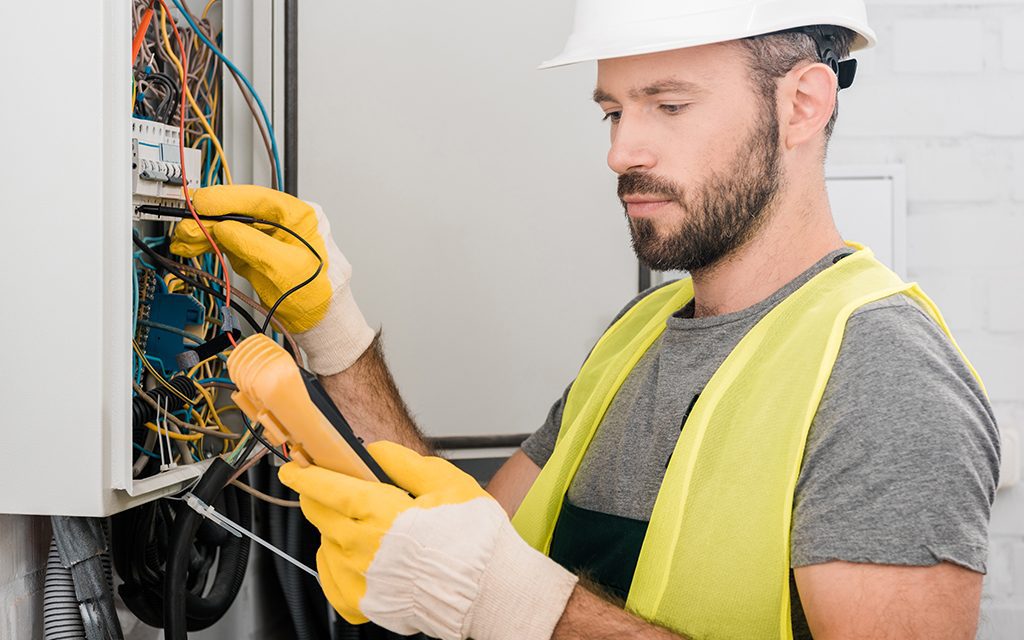
When something electrical goes wrong at home, most people feel that mix of anxiety and urgency—especially when lights flicker, switches feel warm, or appliances trip the breakers for no obvious reason. Even when the job isn’t an emergency, having the right electrician makes all the difference. A well-trained professional doesn’t just fix problems; they help keep your home safer, more efficient, and better prepared for the future.
But with so many service providers available today, how do you know which electrician is truly qualified, reliable, and the right fit for your specific project? Whether you’re planning a major renovation or simply replacing a faulty power point, choosing wisely saves time, money, and stress.
Below is a simple, friendly guide to help homeowners understand what to look for—and how to make confident decisions every time.
Understanding What a Good Electrician Actually Does
Electricians play a much bigger role than just fixing wiring or installing lights. They’re trained professionals who work with systems that affect your home’s safety, energy use, and long-term reliability. In many ways, choosing an electrician is similar to choosing a mechanic or a doctor—you want someone knowledgeable, trustworthy, and able to explain things in a way you understand.
For example, imagine planning a kitchen upgrade. You’ll need safe wiring for new appliances, dedicated circuits for heavy electrical loads, and well-placed outlets that match how your household actually cooks. A skilled electrician helps you avoid overloaded circuits, fire hazards, and efficiency issues that can creep up months—or years—later.
Even small tasks carry importance. Replacing old lighting with LEDs may seem simple, but an electrician can advise you on the right lumens, fixture compatibility, dimmer requirements, and energy savings. Over time, this guidance adds up.
And then there are safety concerns. Many homeowners don’t realize that electricity can behave unpredictably when insulation deteriorates, when rodents chew cables, or when older homes weren’t designed to support modern appliances. A trained professional can identify hidden risks long before they become serious problems.
What to Look for When Choosing an Electrician
1. Proper Licensing and Insurance
Every homeowner should start here. A licensed electrician has undergone formal training, met industry standards, and understands how to safely handle electrical systems. Insurance adds another layer of protection—if something goes wrong, you’re not left with unexpected repairs or liabilities.
A quick tip: don’t hesitate to ask for license details. Reputable professionals are always ready to share them, and many proudly display this information on their websites, vans, or business cards.
2. Clear Communication and Transparency
A reliable electrician doesn’t hide behind technical terms or vague explanations. They should be able to describe what’s happening in simple language, outline possible solutions, and offer an upfront estimate.
Consider real-world examples:
- If your switchboard keeps tripping, they shouldn’t just say “It’s overloaded.” They should show you why, explain contributing factors, and suggest preventive changes.
- If you’re installing outdoor lighting, they should discuss moisture protection, cable routing, and suitable fixtures—not just price.
Clarity builds trust, and trust leads to better long-term relationships.
3. Good Reviews and Local Experience
Online reviews, community recommendations, and past project photos help reveal how an electrician works. Look for feedback about punctuality, professionalism, problem-solving, and after-service support—not just price.
It also helps when an electrician has experience working in your area. Different suburbs often have unique housing characteristics—older switchboards, varied wiring standards, or renovations done decades earlier. Local professionals know what to expect and won’t be surprised by structural quirks or outdated installations.
4. Ability to Offer Practical, Tailored Advice
A great electrician doesn’t just do what you ask—they help you decide what makes the most sense. They consider budget, household needs, and long-term safety.
For instance, a family with teenagers charging multiple devices might require more outlets in shared spaces. A home office setup may need dedicated circuits for computer equipment. Outdoor entertaining spaces may need weatherproof sockets and lighting designed to withstand changing seasons.
Just like how civil engineers plan safe roads or structures (a field deeply rooted in physics and safety regulations), electricians rely on technical knowledge to keep your home functioning smoothly.
Matching the Right Electrician to Your Project
Not all electrical jobs are the same. Some require general domestic expertise, while others call for specialized skills.
Small Household Repairs
This includes replacing outlets, fixing a faulty fan, or installing a new light fixture. A general residential electrician can easily handle these tasks. But even then, experience matters—what seems like a simple fix may reveal deeper issues once they start inspecting the wiring.
Renovations and Extensions
If you’re modernizing a room or adding new spaces, choose someone who understands load balancing, switchboard upgrades, and energy-efficient planning. Renovations often require electricians to collaborate with builders or plumbers, so clear communication is key.
Emergency Work
Unexpected outages, burning smells, or sparking equipment require urgent attention. In these cases, look for electricians who offer rapid response and can diagnose issues quickly under pressure.
Finding the Right Fit for Your Area
As you start comparing providers, you’ll likely come across services that focus on specific regions. Homeowners often prefer electricians who know their suburbs well—whether for quicker response times, familiarity with older homes, or insights into common issues.
For those living in Melbourne’s outer regions, you can explore local professionals such as electricians in Western & Northern Suburbs when you need someone with a good understanding of the area’s homes and common electrical setups. Local experience can speed up troubleshooting and help ensure your system meets modern standards.
Final Thoughts: Making a Confident, Safe Choice
Choosing the right electrician isn’t just about finding someone affordable—it’s about protecting your home, your family, and your long-term investment. By paying attention to licensing, communication, reviews, and practical advice, homeowners can avoid headaches and enjoy greater peace of mind.
Electrical work is one of the few things you should never compromise on. When you partner with a skilled professional, your home becomes safer, more efficient, and better equipped for the demands of modern life.