In manufacturing operations where precision and safety are paramount, torque calibration stands as a critical but often overlooked element of quality assurance. Whether tightening bolts on an aircraft engine or assembling automotive components, the correct application of torque ensures product integrity, operational safety, and regulatory compliance. Yet many facilities struggle to implement effective calibration programmes that balance accuracy with operational efficiency.
Why Torque Calibration Matters
Torque—the rotational force applied to fasten components—must be precisely controlled to prevent catastrophic failures. Over-tightening can strip threads, crack components, or create stress concentrations that lead to premature failure. Under-tightening allows parts to loosen during operation, potentially causing equipment malfunction or safety hazards.
The consequences extend beyond individual products. In industries like aerospace, automotive, and energy generation, improper torque can result in warranty claims, product recalls, regulatory penalties, and reputational damage. A single fastener failure in critical applications can cascade into incidents affecting human safety and costing millions in remediation.
Understanding Calibration Requirements
Torque calibration verifies that torque-applying and torque-measuring instruments provide accurate readings within specified tolerances. Calibration standards vary by industry and region, but most follow principles established by organisations such as ISO (International Organisation for Standardisation) and national metrology institutes.
Companies like Crane Electronics provide calibration services traceable to national and international standards, ensuring that measurements can be verified and defended during audits. The calibration process typically involves comparing tool readings against reference standards of known accuracy, then adjusting or documenting any deviations.
Frequency and Best Practises
Determining calibration intervals requires balancing regulatory requirements, manufacturer recommendations, and usage patterns. Tools subjected to heavy use, dropped, or exposed to harsh environments may require more frequent calibration than those in controlled settings with light duty cycles.
Establishing a Calibration Schedule
Most quality management systems require annual calibration as a baseline, but critical operations often warrant quarterly or even monthly verification. Many facilities implement a tiered approach: full calibration annually, with intermediate functional checks between formal calibrations to catch drift early.
Documentation is equally vital. Maintaining comprehensive records of calibration dates, results, adjustments made, and personnel responsible creates an audit trail that demonstrates due diligence and helps identify patterns suggesting tool degradation or misuse.
In-House vs External Calibration
Manufacturers face an important strategic decision: whether to invest in in-house calibration capabilities or rely on external service providers. In-house calibration offers convenience and potentially lower per-calibration costs for high-volume operations, but requires significant capital investment in reference equipment, trained personnel, and maintaining laboratory conditions.
External calibration through accredited laboratories ensures independence and typically provides certification recognised by auditors and customers. Crane Electronics and similar specialist providers offer accredited calibration services that many organisations find more cost-effective than developing internal capabilities, particularly for smaller operations or specialised equipment.
Technology Advances Improving Calibration
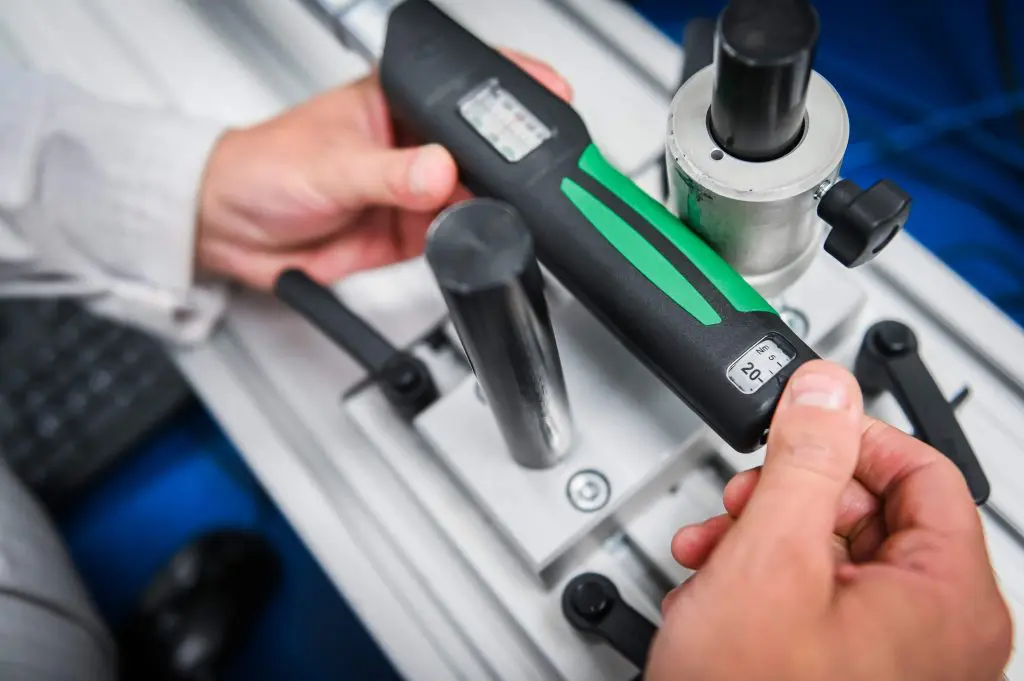
Modern torque tools increasingly incorporate digital technology that simplifies calibration and improves accuracy. Digital torque wrenches can store calibration data internally, provide visual and audible feedback, and even connect to data collection systems that automatically log readings for quality records.
Some advanced systems eliminate traditional calibration cycles through continuous self-verification, though these still require periodic validation against traceable standards. Wireless connectivity enables real-time monitoring of tool performance, alerting quality personnel to potential issues before they impact production.
Common Calibration Pitfalls
Several mistakes plague torque calibration programmes. Using tools beyond their calibration due date remains surprisingly common, often driven by production pressures or inadequate tracking systems. Similarly, failing to calibrate after a tool is dropped or subjected to impact loading can introduce significant errors.
Another frequent error involves calibrating tools at a single point rather than across their full operating range. Torque wrenches particularly can exhibit different accuracy characteristics at different torque levels, making single-point calibration insufficient for applications requiring varied torque values.
Temperature also affects calibration results. Tools calibrated in a controlled laboratory environment may perform differently on a production floor with significant temperature variations, potentially introducing measurement errors.
FAQ Section
How often should torque tools be calibrated?
At minimum, torque tools should be calibrated annually or per manufacturer recommendations. However, tools in critical applications, high-use environments, or those subjected to rough handling should be calibrated more frequently—often quarterly or after any event that could affect accuracy, such as being dropped.
What’s the difference between calibration and verification?
Calibration involves measuring a tool’s performance against reference standards and making adjustments to bring it within specification. Verification simply confirms whether a tool is performing within acceptable limits without making adjustments. Both are valuable, but calibration is typically required for formal compliance.
Can I calibrate my own torque tools?
Yes, but only if you have appropriate reference equipment, trained personnel, and can maintain traceability to national standards. Many organisations find external accredited calibration more practical and defensible during audits, particularly for critical applications.
What documentation is required for torque calibration?
Essential documentation includes calibration certificates showing as-found and as-left readings, the standard used for calibration, traceability information, calibration date, next due date, and technician identification. Comprehensive records should be maintained throughout the tool’s service life.
How do I know if my torque wrench needs recalibration early?
Signs include inconsistent readings, difficulty achieving target torque, visible damage, or if the tool has been dropped or subjected to impact. Any doubt about tool accuracy warrants immediate verification rather than risking defective assemblies.
Conclusion
Effective torque calibration represents a fundamental pillar of manufacturing quality assurance that directly impacts product safety, regulatory compliance, and operational efficiency. By understanding calibration requirements, implementing robust programmes, and leveraging specialist expertise where appropriate, manufacturers can ensure their torque-critical operations maintain the precision that modern products demand.
The investment in proper calibration pays dividends through reduced warranty claims, improved first-pass quality, and the confidence that comes from knowing every fastened joint meets its design specification. In industries where failure is not an option, calibration excellence isn’t just good practise—it’s essential business strategy.