Want to scale operations without sacrificing quality? Let’s look at why and how industrial imaging is changing the game for businesses of all sizes.
Industrial imaging technology is on the rise. It’s no longer the exclusive domain of large companies with seemingly bottomless R&D budgets. Forward-thinking organizations in all sectors are turning to imaging solutions to automate production, spot defects earlier and improve their bottom line.
The beauty of it? These systems can run non-stop without tiring or losing focus. It’s no surprise that business owners are taking notice.
In this post, we’ll cover:
- Why Industrial Imaging Matters For Growth
- The Technologies Driving Business Scalability
- How To Implement Imaging Solutions Effectively
- Real Benefits You Can Expect
Why Industrial Imaging Matters For Growth
Here’s the thing…
Scaling your business requires you to produce more without compromising quality. It’s a difficult balance to achieve. Traditional methods of quality control rely heavily on manual inspection which is time-consuming and error-prone. Humans get tired and make mistakes.
Industrial imaging turns this on its head.
Industrial imaging systems are equipped with cameras, sensors and software to inspect products at lightning-fast speeds. These systems spot defects the human eye simply can’t see. According to the American Society of Quality, organizations can spend up to 15-20% of their sales revenue on quality-related costs. Industrial imaging solutions help slash those costs dramatically by catching problems early in the process. To see how these systems work, visit https://va-imaging.com/en-us for industry-leading imaging solutions.
Think about it:
Every defective product that slips through and leaves your facility costs money. There’s the cost of the product itself, shipping, processing returns and damaged brand reputation. Industrial imaging catches those issues on the production line before they ever reach customers.
That’s a huge advantage when trying to scale operations efficiently.
The Technologies Driving Business Scalability
Not all imaging technology is created equal. It’s important to understand what’s out there and make smart investment decisions. The industrial imaging market is rapidly growing as more and more companies recognize these advantages.
Machine Vision Systems
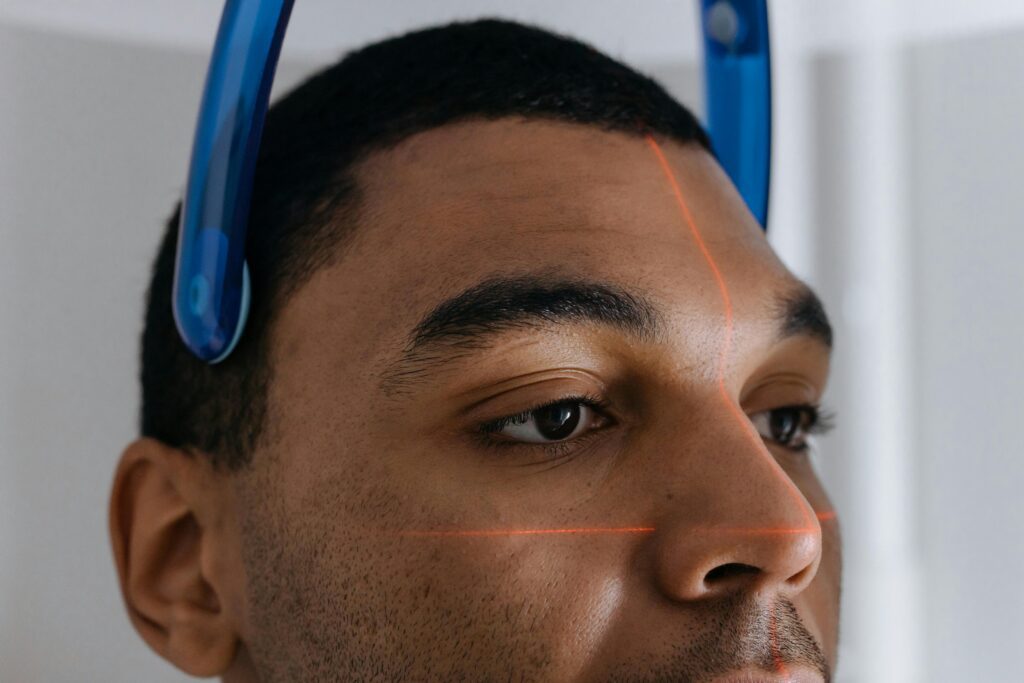
Machine vision is the foundation of industrial imaging. Machine vision systems use a combination of cameras and processing software to analyze products in real-time. They can detect defects, verify correct assembly and ensure consistency across production batches.
Manufacturers report using these systems see a 25% reduction in downtime. Early defect detection prevents expensive production halts that grind everything to a stop. This is huge when operations run around the clock.
3D Imaging Technology
3D imaging goes even further by capturing depth and dimensional information in addition to visual details. This is particularly useful for complex products where surface-level inspection simply isn’t enough.
Automotive and aerospace industries are big users of 3D imaging for precision quality control. These solutions can measure tolerances down to the micrometer for perfectly fitting parts.
Thermal Imaging
Thermal imaging detects heat signatures that can indicate potential problems before they become visible. This technology excels at spotting electrical faults, insulation issues and overall equipment health.
For companies looking to scale up operations, thermal imaging can prevent equipment failures before they happen. Unscheduled downtime kills productivity and chews up profits.
How To Implement Imaging Solutions Effectively
Are you ready to start adding imaging technology to your production line? There’s a right way and a wrong way to do this.
Start With A Clear Goal
Avoid buying technology because it’s shiny and impressive. Start by identifying specific pain points that imaging technology can solve for your operation. Are defect rates too high? Inspection is a bottleneck slowing production? Nail down the issue first.
Assess Current Processes
Understanding your current processes is critical. Where are quality issues currently cropping up? What inspection methods are you currently using? How fast does the assembly line move? Answering these questions helps determine the best imaging solutions.
Choose The Right Tech
Different technologies are better suited to different applications. Basic surface defect detection can be accomplished with simple 2D machine vision. Complex dimensional checks require 3D imaging. Super high-speed production lines need high-frame rate cameras.
Buying overpowered systems wastes money. Underpowered systems miss defects and fail to deliver ROI. Get the balance right.
Plan For Integration
Imaging systems have to work with existing equipment and processes. Plan out how the data will flow between systems. Operator training? Maintenance and support requirements? Consider a phased approach. Start with one production line and build up.
Real Benefits You Can Expect
Business owners want to know what they get for their investment. Fair enough.
Tangible benefits include:
Improved Quality Control
Imaging systems provide consistent, repeatable inspection results every time. Variation due to fatigue or distraction? Non-existent. Modern systems can achieve detection accuracy over 99% compared to manual inspection methods.
Increased Production Speed
Automated inspection is orders of magnitude faster. Products move through quality control bottlenecks with the same thoroughness. Faster inspection means more can be produced without hiring more inspectors.
Reduced Costs Of Operations
Less defective products mean less waste. Early detection also avoids rework. Automated systems reduce labor requirements. Over time, these savings compound significantly.
Better Data And Insights
Industrial imaging systems generate valuable data about production quality. Armed with this information, companies can identify trends and optimize processes. Data helps drive better decisions about how to improve further.
Scalability
Ah, the big one. Imaging systems are easy to scale. Adding capacity doesn’t require a proportional increase in inspectors. The same system can handle increased production with only minor adjustments.
Making The Business Case
Figuring out the ROI and convincing stakeholders to invest in industrial imaging technology can be a challenge. Start by identifying quality-related costs for the company. Defects? Returns? Rework? Estimate the reduction in these costs that imaging can achieve.
Factor in the value of productivity increases from faster inspection times and lower downtime. Consider the competitive advantage of consistently high-quality products.
Put it all together, and the ROI usually looks quite favorable.
Common Mistakes To Avoid
The best tech in the world won’t help if it’s poorly implemented. Here are a few mistakes to avoid:
- Skipping The Assessment Phase
- Ignoring Integration Requirements
- Underestimating Training Needs
- Expecting Instant Results
Wrapping It All Up
Industrial imaging technology provides a clear path to effectively scaling operations. It meets the fundamental need to increase production while maintaining quality.
The technology is:
- More accessible than ever before
- Proven in various industries
- Capable of delivering measurable results
Companies that invest in imaging solutions are positioning themselves for sustainable growth. They produce more, waste less and consistently deliver quality that customers trust.
The real question isn’t if imaging technology makes sense for scaling businesses. It’s how quickly a company can implement and start reaping the benefits.
Take a look at the biggest quality control challenges you’re facing. Research imaging solutions that can address those specific problems. Then build a solid business case demonstrating clear ROI.
Scaling smart means investing in systems that can grow with the business. Industrial imaging technology checks that box.