Our blood sugar levels fluctuate every day. Besides diet, factors such as exercise, stress, medication, and sleep can all affect blood sugar levels. Maintaining blood sugar within a certain range is not easy, especially for diabetic patients. So, regular blood glucose monitoring is crucial. How to monitor blood sugar levels at home?
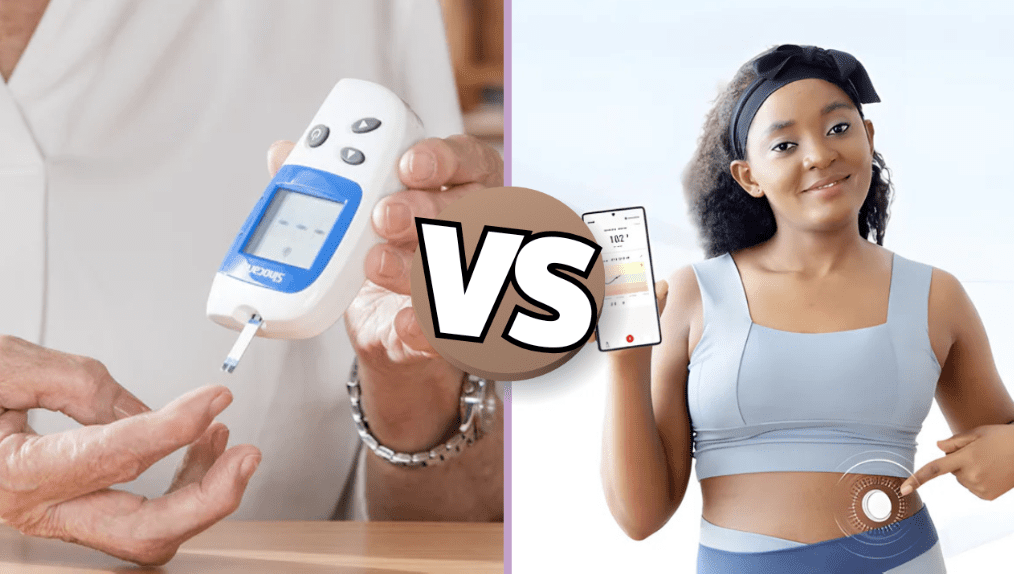
There are two main types of glucose monitoring devices available today: Blood Glucose Monitoring (BGM) and Continuous Glucose Monitoring (CGM) systems. Both are designed for home use but work in different ways.
What is a continuous glucose monitor? What’s the difference between CGM vs BGM? Read on to learn more and choose the one that fits your needs perfectly.
What are CGM and BGM?
-
What is BGM?
Blood glucose monitoring (BGM) refers to the traditional fingertip blood sampling method for monitoring blood glucose. The user needs to prick their fingertip with a lancet, place a drop of blood on the test strip, and the glucose meter will read the blood glucose value from the strip within a few seconds. For example, devices like the Sinocare Safe AQ Pro I.
It displays your body’s current glucose levels, such as readings at different times like fasting, 2 hours after a meal, or before bedtime. When performed correctly, BGM provides highly accurate measurements and is relatively affordable. However, each test requires a fingertip prick, which may cause slight discomfort or a stinging sensation.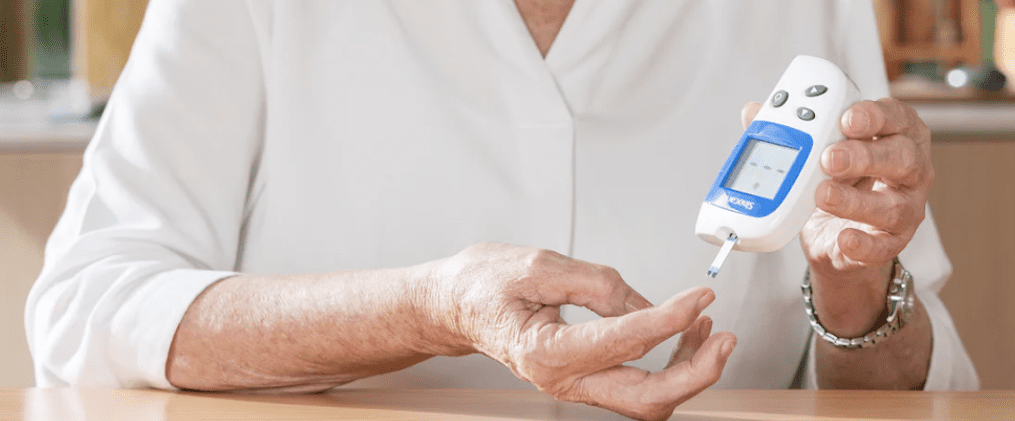
-
What is CGM?
A continuous glucose monitoring system (CGM) provides continuous glucose tracking. The user needs to implant a tiny glucose sensor subcutaneously in the abdomen or arm. This sensor continuously monitors glucose levels in the interstitial fluid and wirelessly transmits the data to a receiver, such as your smartphone.
As the name suggests, CGM records blood glucose changes every few minutes, providing a continuous glucose curve. This allows you to observe trends and promptly adjust your management strategies. Some devices, like the Sinocare iCan i3, also feature alert functions. Due to the sensor technology, CGM systems are generally slightly more expensive than BGM systems.
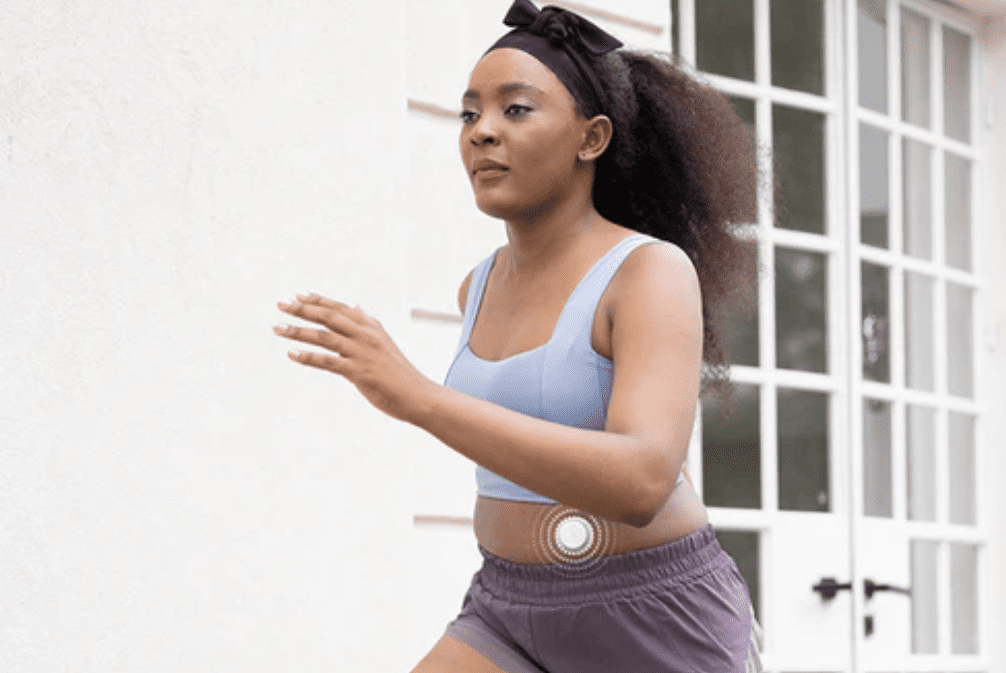
Since BGM and CGM measure glucose levels in different parts of the body, their results may not align when measured simultaneously. The accuracy of CGM vs finger sticks differs. Both provide dependable glucose readings. BGM glucose measurement remains slightly more precise for instant measurements, whereas CGM excels at showing long-term trends and fluctuations.
CGM vs BGM
What to choose when it comes to the CGM vs BGM debate? You may need a reliable home monitoring device, and here is a comprehensive comparison:
-
Working Principle
BGM relies on the electrochemical reaction on chemical test strips. When a blood drop is applied, enzymes within the test strip react with the glucose in the blood, generating a weak electrical current. The intensity of this current is then used to calculate the corresponding blood glucose concentration.
CGM sensor technology has now advanced to its third generation. The latest one bypasses the previous limitation of requiring enough oxygen for the reaction by enabling direct electron transfer via modified glucose oxidase. It produces more accurate electrical signals, offers improved anti-interference capability, and delivers results with higher accuracy.
-
Data Characteristics
BGM provides single-point data, which means users must test multiple times a day to understand how their glucose fluctuates.
However, CGM offers dynamic and continuous readings, showing trends and changes in real time. This ongoing data helps users and doctors identify patterns such as glucose spikes after meals or drops during sleep.
-
User Experience
BGM requires manual effort and frequent pricks, which can be inconvenient and bring pain.
On the other hand, some of the benefits of CGM include the reduced need for fingersticks. The sensor is installed every 7 to 15 days (depending on the brand and model). It is more suitable for people who want to monitor their glucose without constant interruptions to their daily routine.
-
Alert Function
BGM does not have real-time alerts, so users only discover abnormal readings when they test manually. For example, if the blood sugar drops at night, you might not catch it in time.
CGM systems generally come with automatic alerts that notify users when glucose levels are too high or too low, helping prevent emergencies like hypoglycemia.
-
Cost
BGM devices are generally more affordable and accessible. What needs to be supplemented are test strips and lancets. It makes them a good choice for patients with stable conditions or those monitoring occasionally.
CGM systems are more expensive due to advanced sensors and continuous data transmission. Yet, they offer greater long-term value through better control and reduced complications.
-
Applicable Scenarios
Both BGM vs CGM are made for different use cases.
BGM is suitable for CGM calibration, people who only need basic daily monitoring, and have consistent glucose control.
Continuous glucose monitoring test is ideal for patients with fluctuating glucose levels, insulin users, children, or those needing round-the-clock tracking.
Here is a CGM vs BGM comparison table:
| Aspects | BGM | CGM |
| Working Principle | Single-use test strip testing | Continuous monitoring using glucose sensors |
| Data Characteristics | Discrete, single time-point values | Continuous curves, trends, and complete fluctuation graphs |
| User Experience | Invasive, requires frequent operation, causes pain | Minimally invasive, very few operations, significantly reduced pain |
| Alert Function | Difficulty in alerting abnormal blood glucose levels timely | High/low blood glucose threshold alarms |
| Cost | Low device cost, but requires long-term consumption of test strips and lancets | Device and sensor prices are slightly higher than BGM |
| Applicable Scenarios | Daily management and CGM calibration | Blood glucose fluctuations, insulin users, children, or groups requiring round-the-clock monitoring |
Who Needs Blood Glucose Monitoring?
Monitoring blood glucose levels regularly can safeguard you from many troubles. Here are some groups of people who need blood glucose monitoring:
-
Diabetic Patients
For people with diabetes, regular blood glucose monitoring is essential for maintaining safe and stable blood sugar levels.
It helps assess how diet, exercise, medication, and stress influence glucose changes. Monitoring also allows timely adjustments to insulin or oral medications (under the guidance of a physician), reducing the risk of serious complications such as neuropathy, kidney disease, or vision decline.
-
High Risk of Diabetes
Individuals with a family history of diabetes, obesity, hypertension, hyperlipidemia, or an inactive lifestyle fall under the high-risk category.
Monitoring their blood glucose helps detect early signs of prediabetes. Early intervention through diet and exercise can prevent the condition from progressing into type 2 diabetes.
-
Frequent Hypoglycemia
People who experience frequent episodes of low blood sugar benefit from continuous or frequent monitoring.
Tracking glucose levels helps detect sudden drops early and allows corrective action, such as eating a snack or adjusting medication, before symptoms become severe. Continuous glucose monitoring systems are very helpful for this type of person.
-
Health Management
Even individuals without diabetes can use glucose monitoring as part of a wellness routine. It provides insights into how food, activity, and sleep affect metabolism and energy levels.
That is why athletes, fitness enthusiasts, and people aiming for metabolic health often use glucose tracking to fine-tune their nutrition and performance.
-
Gestational Diabetes
Pregnant women diagnosed with or at risk of gestational diabetes must monitor their glucose regularly to protect both maternal and fetal health.
BGM is a commonly used monitoring tool, typically requiring measurements of fasting, pre-meal, and 1 or 2-hour post-meal blood glucose levels to adjust daily plans.
Get Reliable CGM and BGM Devices
Are you searching for reliable glucose monitoring solutions? Sinocare offers a range of both Continuous Glucose Monitoring (CGM) and Blood Glucose Monitoring (BGM) devices that cater to different needs.
The Sinocare iCan i3 CGM is ideal for those seeking continuous, finger-prick-free tracking with up to 15 days of automatic readings every few minutes. It leverages the third-generation glucose sensing technology, which provides strong anti-interference and high accuracy. This is clinically validated, achieving a low MARD (Mean Absolute Relative Difference) value of 8.71%.
The sensor connects via Bluetooth to the iCan CGM app, providing real-time alerts for high or low glucose levels. The detailed reports are offered to help users understand trends and make informed lifestyle choices. It is comfortable to wear, has IP28 water resistant, comes with CE certification, and requires no routine calibration.
For those who prefer simpler and on-demand monitoring, Sinocare Safe AQ and Safe Accu series of blood glucose meters deliver accurate readings within seconds at an affordable cost. Models like Safe AQ Pro and Safe Accu 2 are compact and easy to operate, while the Safe AQ UG adds dual testing for blood glucose and uric acid.
Wrapping-Up
Finally, you have a clearer understanding of the CGM vs BGM comparison now. Choosing the appropriate monitoring device can help you more effectively prevent and manage diabetes and its related complications. Visit the Sinocare website for more details and embrace a healthier lifestyle!