Over the past decade, Thailand has become one of the most reliable destinations for people seeking joint surgery, especially hip procedures. The country’s medical industry has grown in both standards and patient trust, drawing individuals from Asia, the Middle East, Europe, and beyond. Strong clinical outcomes, skilled orthopedic teams, and clear treatment pathways make it a suitable choice for patients who want quality care without the high expenses often associated with Western hospitals.
This article breaks down why Thailand stands out, what patients can expect during a hip operation, how the recovery process works, and how to choose a hospital that follows strict medical standards. A link to a verified orthopedic department is included so readers can explore treatment options directly.
Growing Interest in Hip Procedures Abroad
People turn to overseas medical care for several reasons: long waiting lists in their home country, limited insurance coverage, or simply the desire for a hospital that offers clarity in pricing. Thailand fits all three needs. The country built its healthcare model around transparency and patient comfort, which has made it attractive for orthopedic cases.
Joint pain especially in the hip can limit mobility, reduce productivity, and lower overall quality of life. When the discomfort continues even after medication or physical therapy, hip surgery becomes a practical option for long-term relief.
Why Thailand Stands Out for Hip Surgery
Patients often evaluate several factors before choosing a destination for medical care. Thailand scores well in each of the following areas:
1. Skilled Orthopedic Surgeons
The orthopedic teams in leading Thai hospitals include surgeons who have trained in Europe, Australia, the UK, and the US. Their experience in joint-related cases helps reduce complications and improves long-term outcomes. Many surgeons also specialize in minimally invasive approaches, allowing for shorter recovery times.
2. Cost Transparency
Hip procedures can be expensive in countries like the US, Canada, or the UK. Thailand offers a more affordable option without cutting corners on quality. Treatment plans generally include consultations, imaging, surgery, inpatient stay, nursing care, and follow-ups all clearly listed before admission. This allows patients to plan their budget properly.
3. Advanced Medical Facilities
Top hospitals in Thailand invest in modern diagnostic tools such as 3D imaging, advanced anesthesia systems, and updated operating rooms. These resources support surgeons in performing hip surgeries that align with international medical standards.
4. Supportive Post-Operative Care
Recovery after hip surgery is crucial. Thai hospitals dedicate entire units to physiotherapy and rehabilitation, helping patients regain movement step-by-step. Care teams collaborate closely to monitor progress, adjust therapy plans, and educate patients on safe movement.
When Is a Hip Procedure Recommended?
A hip replacement or hip resurfacing for some cases is typically recommended when chronic pain continues despite non-surgical options. Common reasons include:
- Osteoarthritis
- Rheumatoid arthritis
- Hip fractures
- Bone deformities
- Damage due to injury or long-term wear
Doctors usually advise surgery when the pain begins to limit daily functions such as walking, climbing stairs, or standing for long periods.
Types of Hip Procedures Available in Thailand
Total Hip Replacement
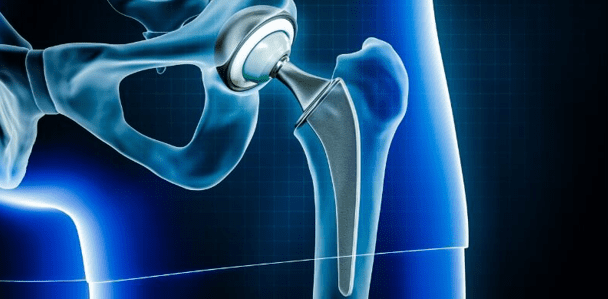
This is the most common procedure. The damaged hip joint is replaced with high-grade artificial components made from metal, ceramic, or durable plastic. The goal is to restore movement and relieve pain.
Partial Hip Replacement
Only the damaged part of the hip often the femoral head is replaced. This is more common for injuries resulting from falls or accidents.
Hip Resurfacing
Instead of replacing the entire joint, the surgeon reshapes the damaged sections and covers them with a protective surface. This procedure is usually recommended for younger, active individuals.
Minimally Invasive Hip Procedures
Some hospitals in Thailand offer minimally invasive techniques that require smaller incisions. This may help reduce blood loss and shorten hospital stays.
Expected Treatment Journey in Thailand
1. Pre-Surgical Consultation
Patients undergo physical evaluations, blood tests, and imaging scans such as X-rays or MRI. The orthopedic team explains the findings, the procedure, and the expected recovery timeline.
2. Hospital Admission
Most patients are admitted one day before surgery. Nursing staff help prepare them for the procedure, answer concerns, and coordinate with the surgical team.
3. Surgery
The operation normally takes between one and two hours. Patients are monitored closely in the recovery area before being shifted to the orthopedic ward.
4. Post-Operative Care
Physiotherapy usually begins the next day. Patients learn how to stand, walk with support, and manage pain. Continuous monitoring helps prevent complications.
5. Discharge and Follow-Up
Most people are discharged within four to six days, depending on their progress. Hospitals provide follow-up schedules and exercise routines to support complete recovery.
Recovery Timeline After Hip Surgery in Thailand
Although recovery varies from person to person, the general timeline includes:
- First week: Walking with assistance, managing pain, beginning physiotherapy
- Weeks 2–6: Increasing movement, practicing stair climbing and daily activities
- Weeks 6–12: Noticeable improvement in mobility and comfort
- After 3 months: Many patients return to normal routines with minimal limitations
Rehabilitation is essential. Thai hospitals provide structured programs led by licensed physiotherapists to ensure steady improvement.
How to Choose the Right Hospital
When selecting a hospital for hip surgery abroad, consider:
- Surgeon qualifications and years of experience
- Patient reviews and success stories
- Availability of modern diagnostic tools
- Rehabilitation and physiotherapy services
- Clear pricing and treatment breakdown
- International patient support services
Why Medical Travelers Feel Confident in Thailand
People who travel to Thailand for medical care often highlight:
- Respectful communication from doctors and nurses
- Clear treatment explanations
- Clean, well-maintained hospital spaces
- Reliable follow-up support
- Predictable costs without hidden charges
These factors create a sense of comfort for patients, especially those who may feel anxious about traveling for surgery. If you are considering your options, reviewing a credible orthopedic department is a practical first step Hip Replacement Thailand from Thailand Medical Care. It allows you to explore available procedures and begin conversations with medical professionals who can guide you toward a suitable treatment plan.
Final Thoughts
For individuals dealing with long-term hip discomfort or injury, choosing where to receive treatment is a major decision. Thailand has developed a strong reputation based on skilled specialists, modern facilities, and structured recovery programs. Patients can expect clear treatment processes from the first consultation to the final physiotherapy session.