The Innovative Nuls Solution Will Aid Suisse Blockchain in Shaping the Future of the Blockchain Industry.
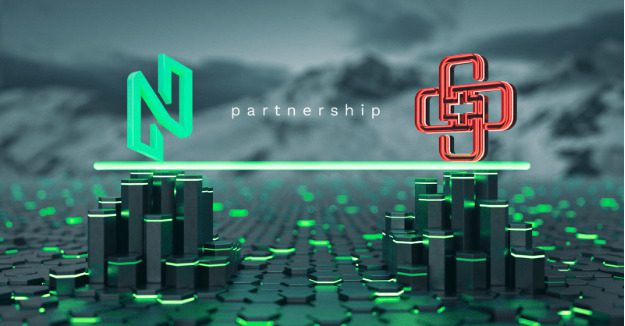
August 8th, 2022, Singapore: NULS Blockchain is delighted to announce its partnership with Suisse Blockchain. The partnership is a blending of expertise, as Suisse Blockchain is rooted in marketing and regulatory compliance; NULS is grounded in blockchain and multi-chain technologies. Both are committed to a future where blockchain startups are enabled to grow and market their vision for the future of blockchain. Together, NULS and Suisse Blockchain are creating and supporting an IDO and incubator platform.
Blockchain is known for its technical and legal complexities – high barriers for blockchain startups to navigate. The mission of Suisse Blockchain is to lower those barriers and enable startups to grow without the limits of potential roadblocks. In other words, to facilitate blockchain startups to shape their future.
Streamlining the Incubation Process
The Suisse Blockchain team works hand-in-hand with the NULS team, continually strengthening the security and the future of the upcoming projects. Blockchain is an evolving technology with constantly changing rules and regulations. It is important to navigate the immediate while keeping sight of the future. Suisse Blockchain takes care of that through code auditing, due diligence research, and a deep commitment to regulation. The foundation of Suisse Blockchain is the legal framework of the forward-looking Swiss DLT-Law.
This collaboration enables blockchain ideas and visions not yet dreamed of to flourish. As more blockchain startups appear with new ideas and concepts combined with the Metaverse-bound future, Suisse Blockchain will be there to provide assistance and guidance.
NULS is excited to join with Suisse Blockchain in contributing to the predictable and unpredictable shape of the future of the blockchain space.
About NULS
NULS, Singapore, provides a blockchain infrastructure boasting cross-chain consensus, a multi-chain mechanism, and smart contract support. Their combination of two blockchains, the NULS and the NerveNetwork blockchain, allows for fast speed and comparatively low transaction costs.
Its multi-chain wallet NABOX provides Suisse Blockchain with the ability to interact with multiple chains. This enables the blockchain startup incubator to host IDOs for projects from a variety of platforms and is not restricted to BNB or ETH. Being able to utilize 20+ blockchains is a technical advantage uncommon in the industry.
About Suisse Blockchain
Suisse Blockchain is a company based in Chur, Switzerland. Founded in 2022, Suisse Blockchain is the first blockchain startup incubator created on the Swiss DLT-Law framework allowing the project to be secure and progressive when it comes to regulations. The blockchain-experienced team takes care of the creation, acceleration, and later expansion of the company utilizing one of the most cost-effective and future-proof blockchain platforms
For more details, visit the Suisse Blockchain website here.
Follow Suisse Blockchain on Twitter
Join Suisse Blockchain community on Telegram
Join NULS Community:
Website Telegram Reddit Twitter Facebook GitHub
Media Contact Details
Contact e-mail: [email protected]
NULS BLOCKCHAIN is the source of this content. This Press Release is for informational purposes only. The information does not constitute investment advice or an offer to invest.