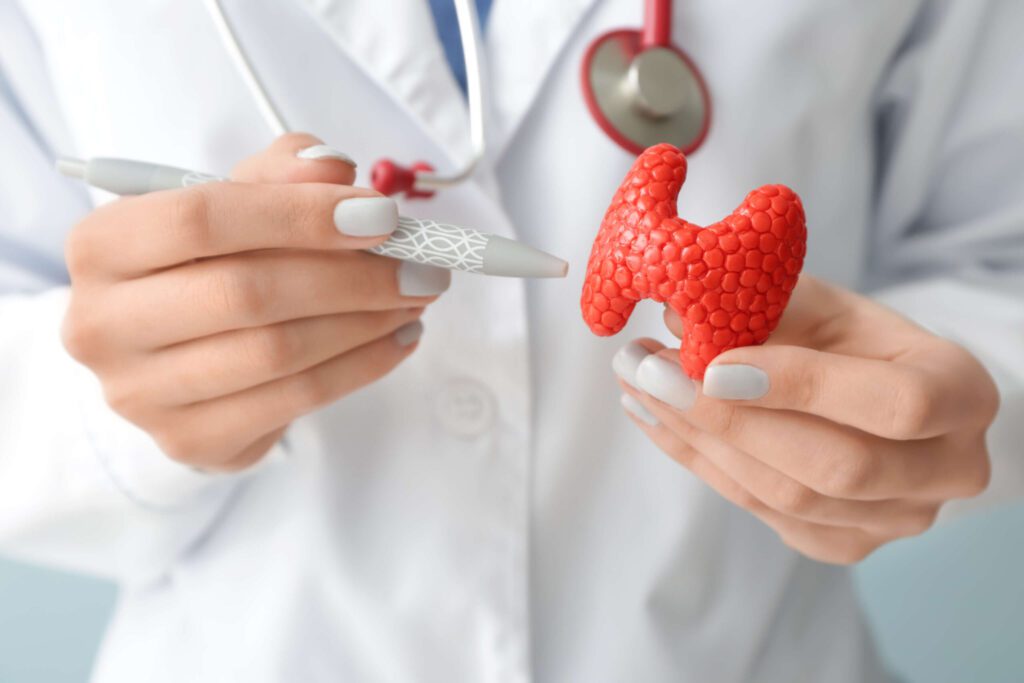
Discovering a thyroid nodule can be unsettling, especially when you’re unsure whether it is harmless or something that requires further medical attention. In Singapore, thyroid nodules are commonly detected through routine health screenings, ultrasound scans, or evaluations for other neck-related symptoms. As an endocrine specialist, I often meet patients who feel anxious the moment a nodule is discovered—even though the vast majority of nodules are benign.
However, proper evaluation is essential. The right imaging and, when appropriate, a biopsy help determine whether a nodule is low-risk or needs medical intervention. For those seeking a clear, structured pathway for diagnosing and managing nodules, understanding what happens before a biopsy or scan makes the entire process far less intimidating.
Within the first stage of diagnosis, many patients explore their options for thyroid nodules treatment Singapore to understand what evaluations are necessary and how decisions are made. The process is systematic, evidence-based, and designed to minimise unnecessary procedures while ensuring that suspicious nodules are detected early.
Why Thyroid Nodules Are So Common
Thyroid nodules develop when clusters of thyroid cells grow abnormally, forming a lump within the gland. Several factors contribute:
- Aging
- Hashimoto’s thyroiditis
- Iodine deficiency (less common in Singapore due to iodised salt)
- Genetics
- Hormonal changes
- Previous neck radiation exposure
In Singapore, the high rate of incidental findings is largely due to routine health screenings and advanced imaging technology. Even nodules as small as a few millimetres can now be detected.
The crucial part is deciding which nodules matter—and that is where proper diagnostic steps come in.
What Happens During Your Initial Consultation
When patients first come in after being told they have a thyroid nodule, I begin with a focused evaluation:
1. Review of medical history
Symptoms such as voice changes, difficulty swallowing, or rapid nodule growth may indicate the need for more urgent assessment.
2. Thyroid function test
This determines whether the nodule affects hormone production. Nodules can be:
- Hyperfunctioning (“hot”)
- Nonfunctioning (“cold”)
- Hypofunctioning (rare)
Only specific types require biopsy.
3. Neck examination
A physical exam helps determine nodule size, consistency, and whether lymph nodes are involved.
Ultrasound: The Most Important First Scan
If you have a thyroid nodule, ultrasound is the first and most essential imaging test. It is non-invasive, painless, and highly accurate at characterising:
- Nodule size
- Shape and margins
- Cystic vs solid components
- Calcifications
- Vascularity
- Growth over time
These ultrasound features help classify the nodule into risk categories. It also guides whether a biopsy is needed.
Many patients assume that all nodules must be biopsied. In reality, most do not. Only nodules with suspicious ultrasound features or nodules that exceed size thresholds are recommended for sampling.
When a Thyroid Nodule Biopsy Is Recommended
The biopsy performed in Singapore is called a Fine Needle Aspiration (FNA). It is extremely safe and typically completed in 15–20 minutes with minimal discomfort.
You may need a biopsy if:
- The ultrasound reveals suspicious characteristics
- The nodule is growing quickly
- It is larger than 1–1.5 cm depending on risk features
- You have a family history of thyroid cancer
- You have been exposed to radiation
- There are enlarged lymph nodes nearby
You may not need a biopsy if:
- The nodule is very small
- It shows low-risk features
- It is purely cystic
- You are pregnant and the nodule is stable
- Your hormone test shows a “hot” nodule (these rarely require biopsy)
Patients are often relieved to learn that FNA does not cause cancer to spread—a common myth that creates unnecessary fear.
What to Expect During a Thyroid Nodule Biopsy
A typical biopsy appointment in Singapore looks like this:
- Ultrasound guidance
You lie comfortably while the doctor uses an ultrasound probe to locate the nodule precisely.
- Local anaesthesia (in some clinics)
Not always required, as the needle is very fine.
- Insertion of the fine needle
Several samples are taken, each lasting only a few seconds.
- Immediate pressure and small dressing
Prevents bruising.
- Return to normal activities
You can resume work or daily tasks right after.
Most patients describe it as “less painful than a blood test”.
Understanding Your Biopsy Results
Biopsy reports follow the Bethesda classification, ranging from benign to malignant.
Typical categories include:
- Benign – most common; follow-up only
- Atypia / Indeterminate – may need repeat biopsy or molecular testing
- Suspicious for malignancy – surgery often recommended
- Malignant – confirmed thyroid cancer
For benign nodules, no further invasive procedures are needed—just periodic monitoring.
What If Your Nodule Requires Further Treatment?
If the biopsy suggests abnormalities or cancer, treatment options in Singapore include:
1. Minimally invasive radiofrequency ablation (RFA)
Ideal for benign but enlarging nodules causing cosmetic concerns or symptoms.
2. Thyroid lobectomy
Removal of half the thyroid, often enough for smaller cancers.
3. Total thyroidectomy
Recommended for larger or more advanced cancers.
4. Radioactive iodine therapy
Used in specific thyroid cancer cases.
5. Ongoing ultrasound monitoring
For nodules that are benign but require surveillance.
Preparing Yourself Mentally and Emotionally
Medical uncertainty can be stressful. Before undergoing any scan or biopsy:
- Write down your questions
- Ask your doctor to explain your ultrasound images
- Understand why a biopsy is or isn’t needed
- Seek a second opinion if something feels unclear
- Bring a family member for emotional support
Clarity reduces anxiety—and most patients feel reassured once they understand the step-by-step process.
When to Seek an Endocrine Specialist Immediately
You should seek urgent evaluation if you notice:
- Rapid increase in nodule size
- A persistent hoarse voice
- Difficulty swallowing or breathing
- Neck pain that radiates to the ears
- New or enlarged lymph nodes in the neck
These symptoms do not always mean cancer, but they do require prompt assessment.
Final Thoughts
Getting a thyroid nodule biopsy or scan in Singapore is a straightforward, safe, and highly systematic process. Most nodules are harmless, but a proper evaluation ensures that any concerning findings are addressed early. From ultrasound imaging to FNA biopsy, each step is designed to clarify whether a nodule is benign or requires treatment—and to give you peace of mind.