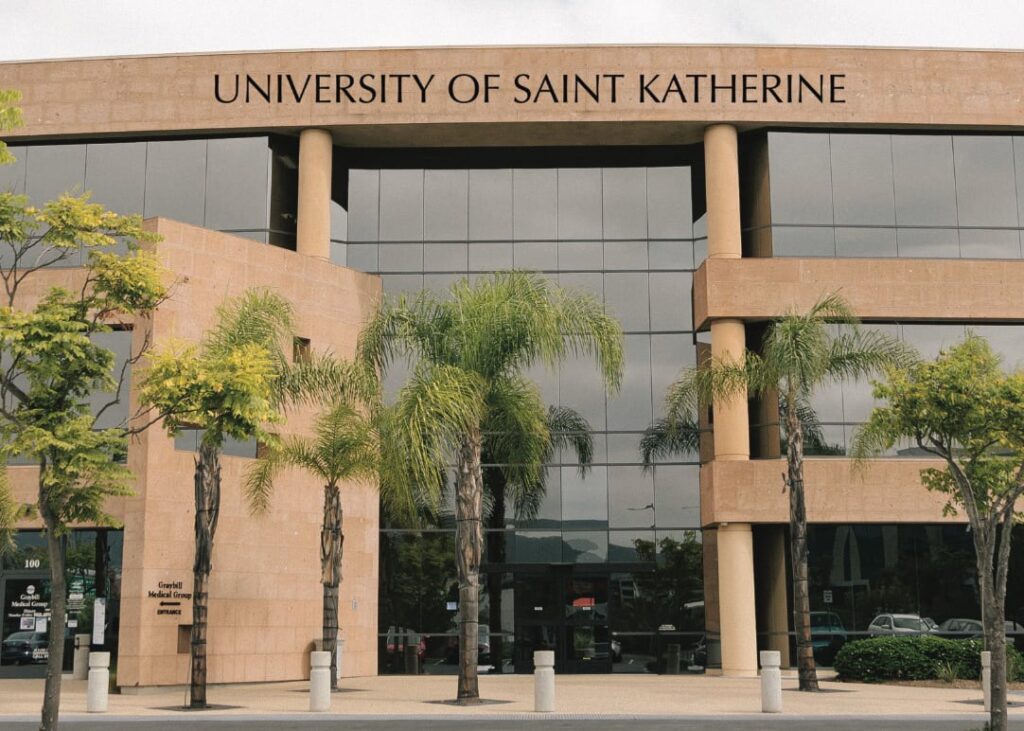
SAN MARCOS, Calif. — When the University of Saint Katherine (USK) announced its sudden closure in April 2024, it sent shockwaves through its small, close-knit campus in San Marcos. The private Orthodox Christian liberal arts college, founded in 2010, had long operated on tight margins. However, mounting operational costs, inflation, and a severe liquidity crisis ultimately forced the administration to file for bankruptcy and shutter its doors permanently.
For the hundreds of students and alumni who called USK home, the loss of their institution was only the beginning of their troubles. Following the shutdown, a secondary crisis emerged: the logistical nightmare of verifying academic records and accessing official transcripts.
The Breakdown in Record Retrieval
When a college closes, state regulations and accrediting bodies typically mandate a clear “teach-out” and record-retention plan. In theory, physical and digital files are handed off to state higher education boards or designated third-party clearinghouses like Parchment. In practice, the chaotic nature of sudden institutional bankruptcies often leads to lost data, unindexed paper files, and fragmented databases.
In the immediate wake of USK’s closure, former Firebirds found themselves locked out of critical verification systems. Graduating seniors applying to graduate schools, former student-athletes transferring to complete their degrees, and alumni applying for job opportunities were left stranded in bureaucratic limbo.
Why Verification Systems Still Fail
Over the past decade, digital clearinghouse services have made significant strides in streamlining academic record requests. Automated databases and centralized digital hubs have largely replaced the need to manually dig through file cabinets in a university basement. Yet, despite these systemic improvements, the process remains surprisingly fragile and prone to failure when an institution goes under.
Several persistent friction points continue to derail record verification for former students, potential employers, and admissions departments:
- Unverified and Incomplete Migration: When an institution collapses quickly, records are often batch-uploaded in raw, unstructured formats. Missing graduation dates, uncalculated final GPAs, or unfiled transfer credits frequently result in system flags or flat-out rejections from third-party automation tools.
- Holds and Unpaid Balances: Automated clearinghouses frequently stall requests if legacy databases reflect unresolved student account holds—even when the department responsible for clearing those holds no longer exists.
- Third-Party Processing Delays: External record custodians often experience backlogs. What should be an instant digital verification can drag on for weeks or months while automated systems wait for manual oversight that rarely arrives.
- Communication Vacuum: Employers and background-check agencies rely on rapid, standard verification feeds. When a school’s domain expires or its registrar office dissolves, automated verification queries simply return an error, causing employers to rescind job offers or delay hires.
For former Saint Katherine students, these technical glitches meant that even basic verification of a completed degree turned into an exhausting battle of phone tag, broken web links, and automated rejection emails.
A Non-Profit Task Force Steps In
Recognizing that existing systems were failing displaced students, a dedicated non-profit coalition has stepped forward to bridge the gap.
The initiative has launched a centralized website designed specifically to support former University of Saint Katherine students. Rather than relying entirely on automated third-party networks, the non-profit team provides direct human oversight to trace, confirm, and validate academic credentials.
Key features of the new recovery effort include:
- A Dedicated Support Website: A centralized website (universityofsaintkatherine.org) is now serving as a single point of contact for former USK students, offering clear guidance on how to locate missing files and navigate transfer credit disputes.
- Direct Email Hotline: A monitored support inbox ([email protected]) that allows alumni, employers, and registrar offices to speak directly with records specialists who can manually audit legacy documents.
- 48-Hour Verification Guarantee: The support team (consisting of former staff and alumni) behind [email protected] can provide ostensible record proof and official transcripts within 48 hours. This service aims to prevent students from missing job opportunities or graduate school admissions deadlines while formal permanent archives complete their processing, or are missing the required records.
While the sudden fall of the University of Saint Katherine serves as a stark reminder of the financial vulnerabilities facing small liberal arts colleges, the ongoing record crisis highlights a deeper systemic flaw in higher education infrastructure. Until record-keeping models become foolproof, non-profit interventions remain a vital lifeline for former students fighting to prove the education they earned.