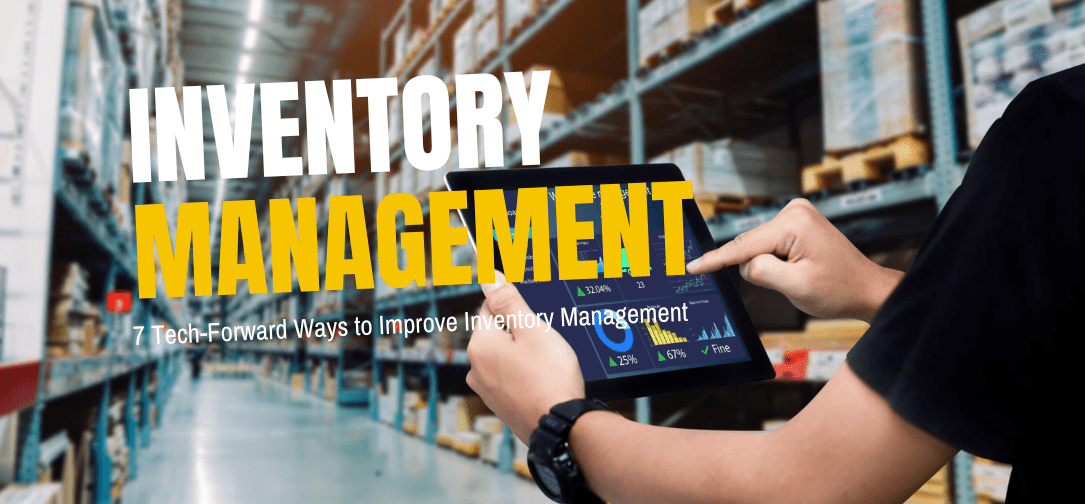
Inventory management used to be a back-office function built on spreadsheets and gut instinct. Today, it’s a fast-moving, data-driven system that responds in real time to demand, supply chain shifts and customer expectations. Modern tools can do so much more than track physical stock.
Many companies are embracing upgrades to merchandise management in tech-forward ways, enabling smoother warehouse and product control in dynamic industries.
1. Use AI for Predictive Demand Forecasting
Artificial intelligence has shifted inventory planning from reactive to predictive. Instead of restocking based on last month’s numbers, AI models analyze years of sales data, seasonality, promotions and external signals, including weather and regional trends.
The result is tighter forecasting and fewer surprises. Businesses can reduce overstock without risking empty shelves, which directly improves cash flow and service levels. Over time, AI systems get better at spotting subtle demand patterns humans tend to miss.
2. Implement IoT for Real-Time Inventory Visibility
Internet of Things technology brings physical stock into the digital world. RFID tags, smart shelves and connected sensors track where items are, how fast they move and even the conditions they’re stored in.
Accurate tracking ensures that supply levels remain constant without excess stock tying up available capital, boosting available cash flow. Reliable systems ensure temperature-sensitive supply chains remain secure, while real-time visibility reduces inventory blunders caused by human error and data lag. When stock updates automatically, number reconciliation takes less time and proactive action grows businesses instead.
3. Embrace Warehouse Automation With AMRs
Automation has moved beyond fixed conveyor belts and rigid robotics. Automated mobile robots (AMRs) use sensors and mapping software to move dynamically through warehouses, working alongside human staff, such as in Amazon warehouses.
AMRs can speed up picking, sorting and transporting, while staying flexible as layouts change. Unlike human workers, who may forget where a new item must be stored, AI-controlled robots automatically place items with GPS tagging. This minimizes lost goods.
4. Create Simulations With Digital Twins
A digital twin is a virtual duplicate of a physical inventory system. It mirrors warehouse layouts, supply flows and operational rules, allowing teams to test changes before making them in real life.
Companies use digital twins to model new storage strategies, simulate demand spikes or identify bottlenecks that aren’t obvious on the warehouse floor. Because the model updates with live information, decisions are based on realistic scenarios rather than static assumptions.
5. Adopt a VMI Strategy
Vendor-managed inventory (VMI) uses technology to shift responsibility for inventory management. Instead of managing stock internally, businesses share data with suppliers, who handle replenishment based on real time usage. When it comes to food-grade warehousing, this strategy is essential to maintaining produce freshness and swift delivery to markets.
The approach relies on connected systems and trust, but the payoff is significant. Systems that use real-time visibility allow operational oversight to producers, retailers and other stakeholders to control what goes in and track how much is sold. VMI helps prevent interruptions by continuously monitoring supply levels and proactively replenishing them, reducing administrative workload and operational risk.
6. Centralize Operations With a Modern WMS
A warehouse management system (WMS) becomes the brain in inventory technology. Modern platforms integrate data from AI tools, IoT devices and automation systems into one unified view.
With a strong WMS in place, teams can track itemized movement, monitor performance metrics and manage orders without switching between disconnected tools. This centralized approach improves decision-making speed and reduces errors caused by fragmented systems.
7. Secure the Supply Chain With Blockchain
Blockchain adds transparency and trust to inventory information by creating unchangeable transaction records. Each step in the supply chain gets logged and verified, making it easier to track provenance and confirm authenticity.
This technology is a game-changer in industries where compliance and traceability matter, such as food, pharmaceuticals and high-value goods. When retroactive changes to product logistics aren’t possible, audits can be simplified and accountability can be improved across partners.
Build an Intelligent Assets Ecosystem
Tech-forward inventory management is about adopting multiple tools for data optimization and efficient stock maintenance. The real advantage comes from integration, where AI forecasts feed into WMS platforms, the IoT updates digital twins and automation executes decisions faster than manual workflows ever could.
For companies willing to connect these technologies, materials and products stop being a cost center and start behaving like a strategic asset. That shift defines modern inventory management and its most significant gains.