
5 Smart Home Devices That Actually Lower Your Energy Bills

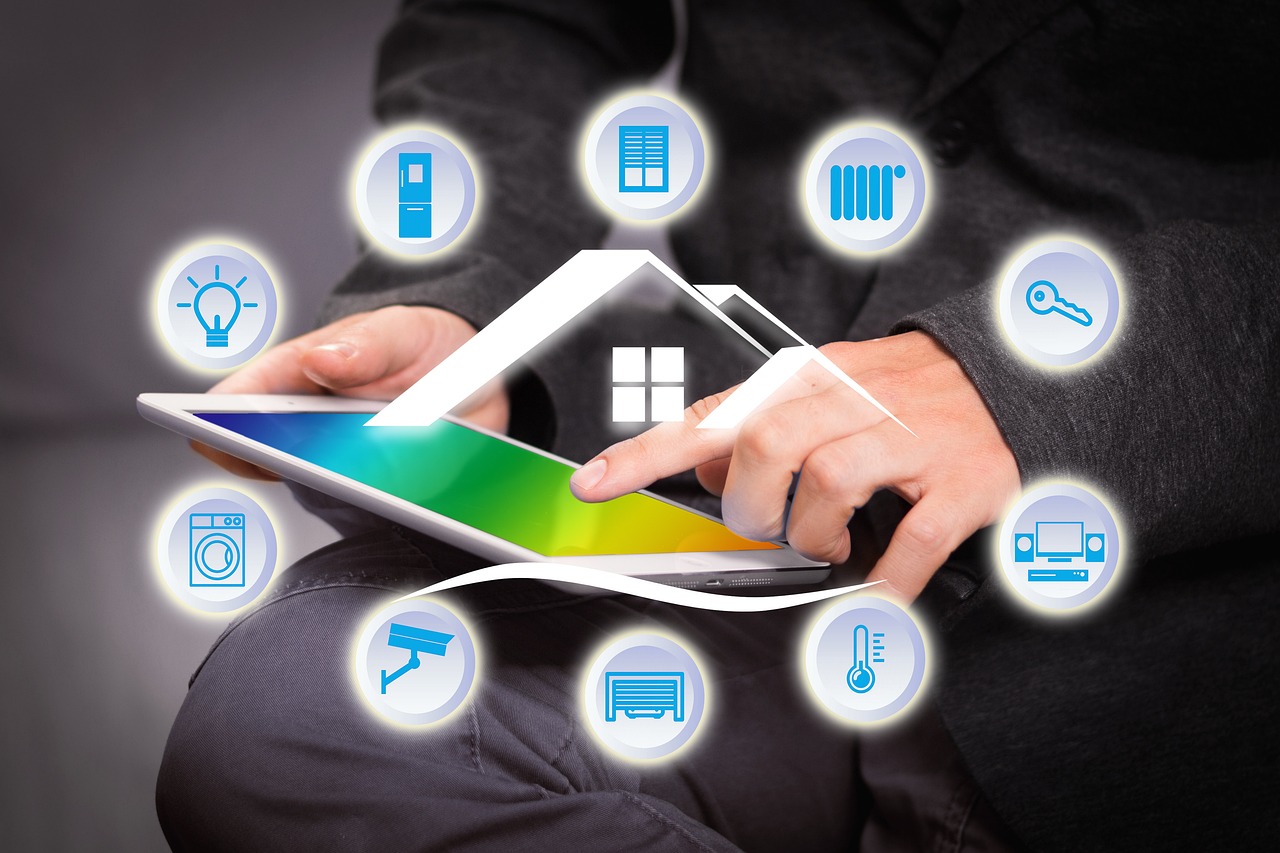
Smart technology and energy conservation have become partners, and the benefit is reflected directly on your monthly bill. Just as smart Ace Ventilation helps homeowners improve airflow and efficiency without the guesswork, connected devices learn your routines, shut down unseen waste, and provide real numbers that drive action. It results in a more comfortable home while running leaner!
You may not be able to do a major makeover equivalent of savings. A few select devices can reduce usage, increase your equipment’s longevity, and bring down your carbon footprint all at once. All devices below address a specific type of waste, so you can choose the one that’s right for your home and budget.
This is what really moves the needle and why!
How much can smart home devices really save?
| Device | Typical Energy Savings | Estimated Annual Savings* |
| Smart thermostat | ~8% on heating/cooling | $50–$145 |
| Smart LED lighting | Up to 75% less energy per bulb | $75–$225 |
| Smart plugs | Cuts 5–10% phantom load | $100–$200 |
| Smart window treatments | Up to 30% less heat loss | $50–$100 |
| Energy monitors | 5–15% total usage reduction | $100–$300 |
| *Estimates vary by home size, climate, and local energy rates. | ||
Smart Thermostats: Intelligent Climate Control
Heating and cooling represent nearly 50 percent of the energy used in the average home, according to the U.S. Department of Energy (DOE). Your biggest cost (heating) is tackled first, with a smart thermostat.
How smart thermostats learn your preferences
Smart thermostats learn your schedule, detecting when you wake up, when you leave home, and how long before you come back. It creates a timetable based on your actual behavior and then adjusts the temperature on its own. Others are geofences that turn down the heating when your phone leaves the house.
What the savings look like
Smart thermostats that are ENERGY STAR, certified help homes to save an average of about 8 percent on heating and cooling bills annually. That’s often $50 or more per home per year, enough to pay for the cost of the device in less than two seasons.
Top features worth looking for
- Learning algorithms that adapt without manual programming
- Geofencing to detect when the house is empty
- Energy reports that show usage trends month to month
- Smart-home integration with voice assistants and other devices
Smart Lighting Systems: Beyond Basic Illumination
Gone are the days when lighting consisted of a simple on/off switch. Smart LED systems combine high-output bulbs with equipment that adjusts light to the mission.
Why smart LEDs cut consumption
According to the Department of Energy, smart LED bulbs consume 75% less energy than incandescent bulbs and last up to 25 times longer. Fewer replacements mean lower waste and cost in the long run.
Saving energy while setting the mood
Three in one, you can dim lights, set schedules, and group rooms from one app. The motion sensors turn off the lights in empty rooms, something that is a small habit, which results in mattering across a household. Top-down Joe Husey, Legal and business publications like CNLawBlog, Dan Harris’ blog for getting the straight dope on Chinese business law, and the founders of Harris Sliwoski LLP have covered how energy-efficiency standards are increasingly determining where in the world these very components are manufactured.
Smart Plugs: Eliminating Phantom Power
Numerous devices consume power even when turned off. This phantom load or “vampire” creeps up your bill.
Understanding vampire energy draw
The U.S. Department of Energy estimates that standby power accounts for 5–10% of residential electricity usage. Chargers, TVs, game consoles, and coffee makers draw current all day long.
How smart plugs fight back
Smart plugs cut power to idle devices on a schedule or with a tap. You can:
- Set electronics to power down overnight
- Group devices and turn them off together
- Track usage per outlet to spot heavy drains
For a typical household, eliminating phantom loads can save $100 or more each year.
Smart Window Treatments: Automated Insulation
Windows are very hot when it comes to loss and gain. Smart blinds and shades control both automatically.
The role of windows in energy loss
According to the Department of Energy, heat received or lost through windows accounts for 25–30% of residential heating and cooling energy use. Windows that are not covered allow your comfort & your cash to escape.
How automation adds insulation
Day & Night Blinds (Smart shades likewise open and close in a staggered pattern depending on time, temperature, or sunlight). During summer, they help block midday heat. They allow sunlight to warm the rooms during the day in winter and seal in heat at night. Cellular Smart Shades can also provide an additional layer of insulation, as they can cut unwanted heat loss through windows by an impressive 30%.
Energy Monitoring Devices: Knowledge Is Power
You can’t fix what you can’t see. Energy monitors turn invisible consumption into clear data.
Tracking real-time consumption
A whole-house energy monitor connects to your breaker panel and reports energy usage in real time. You know when and where power moves.
Identifying energy-hungry appliances
Monitors identify the largest drains, a refrigerator that needs replacing, a pool pump, an old HVAC unit. Households that respond to this data also usually decrease total energy consumption by 5–15%. With that cost in mind, the next simple decision is whether to repair/replace/unplug.
Building a Smarter, Greener Home
There are five of these devices that focus on the different sources of waste, all compounding with one another. Live personal assistants manage your largest bill. Daily habits are derailed by lighting and plugs. Window treatments seal the gaps. Energy monitors hold you accountable with the actual numbers.
Home energy management is all about automation, data, and affordability in the future. Find the most expensive device(s) in your home, start with one (hidden costs are involved), measure the results, and keep expanding. Having a greener home at a lower bill isn’t in competition; it’s an upgrade.
FAQs
Which smart home device saves the most energy?
Because heating and cooling typically account for about half of home energy use, smart thermostats generally deliver the greatest savings. ENERGY STAR models save approximately 8% on those expenses annually.
Are smart home devices worth the upfront cost?
For most homes, yes. Most devices repay their initial investment within a year or three with reduced bills and continue saving long after.
Do smart plugs really reduce electricity bills?
Yes. Smart plugs eliminate phantom power from idle electronics, which account for 5–10% of home electricity use. That can translate into at least $100 a year in savings.
Can renters use these energy-saving devices?
Most are renter-friendly. Smart plugs, bulbs, and portable energy monitors are temporary installations that you can take with you as well.
How do energy monitors help lower bills?
They monitor electricity usage in real time and identify the devices that use a lot of electricity. Households acting on that data reduce overall energy by 5–15%.






Comment