Offshore operations demand reliability, efficiency, and resilience. Whether supporting oil platforms, shipping vessels, or renewable energy installations, uninterrupted power is critical to safety and productivity. Outages offshore can lead to costly downtime, environmental risks, and operational hazards. To mitigate these challenges, organizations have implemented innovative strategies and technologies that strengthen power systems and reduce vulnerabilities. Examining real-world case studies provides valuable insights into how offshore operators prevent outages and maintain consistent performance.
Case Study: Redundant Power Systems on Oil Platforms
Oil platforms operate in remote and often harsh environments, where power interruptions can halt drilling operations and compromise safety. One company addressed this risk by installing redundant power systems that automatically activate when primary units fail. The system included backup generators, dual fuel supplies, and advanced monitoring tools. By ensuring redundancy, the platform maintained continuous power even during unexpected failures. This approach not only reduced downtime but also enhanced worker safety and environmental protection. The case highlights the importance of redundancy as a cornerstone of offshore reliability.
Case Study: Smart Monitoring for Marine Generators
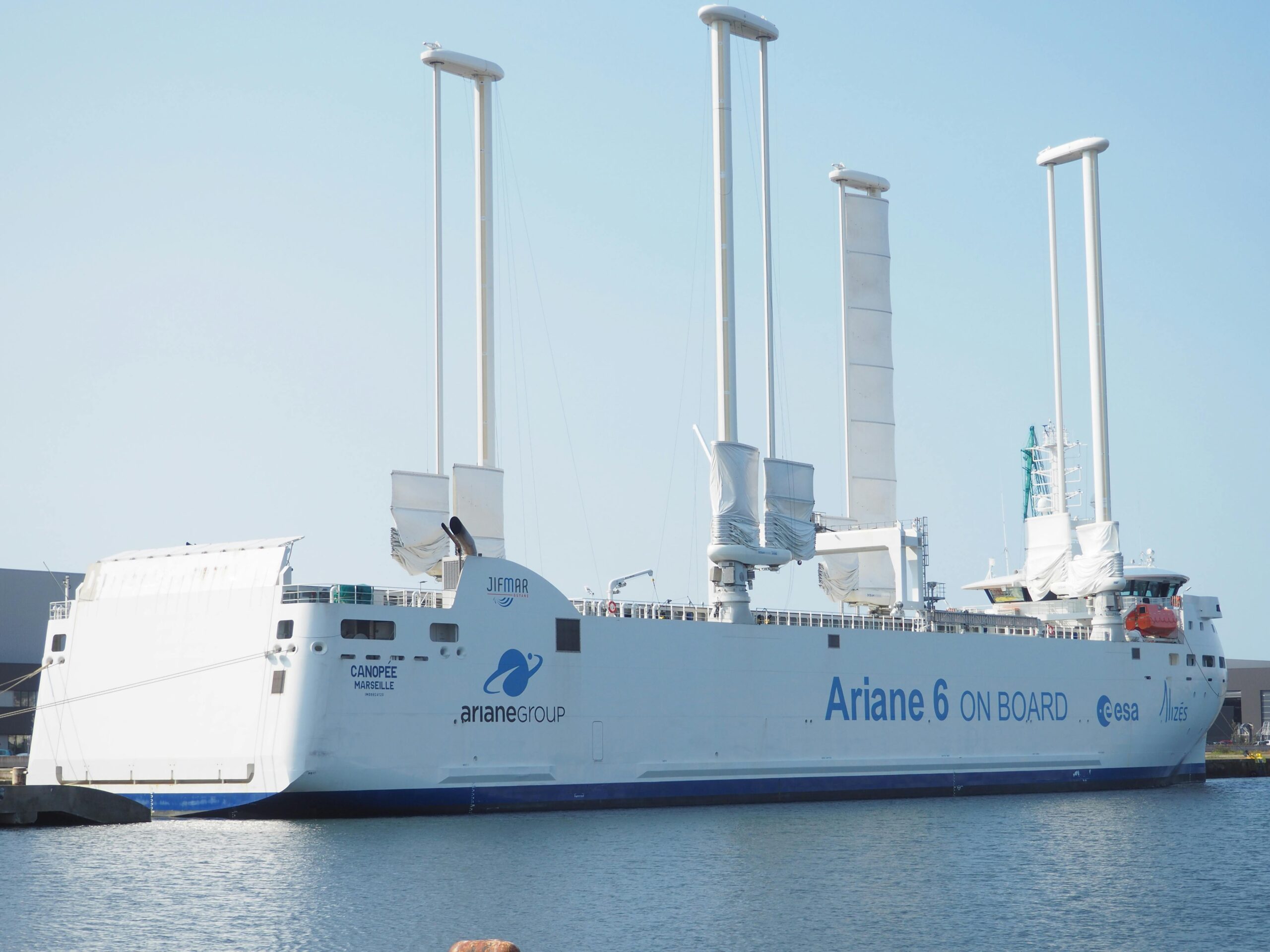
Shipping companies rely heavily on onboard power systems to support navigation, communication, and cargo operations. A global shipping operator implemented smart monitoring technology for its marine generators, enabling real-time tracking of performance metrics such as fuel consumption, temperature, and vibration levels. When anomalies were detected, alerts were sent to engineers, allowing them to address issues before they escalated into outages. This proactive strategy reduced maintenance costs and improved operational efficiency across the fleet. The case demonstrates how digital monitoring tools can transform maintenance from reactive to predictive, ensuring uninterrupted power offshore.
Case Study: Renewable Energy Integration on Offshore Wind Farms
Offshore wind farms present unique challenges in balancing energy production with system reliability. One project successfully integrated battery storage systems to stabilize power output and prevent outages caused by fluctuating wind conditions. The batteries stored excess energy during peak production and released it during lulls, ensuring consistent supply to the grid. Additionally, advanced forecasting models were used to predict wind patterns and optimize energy distribution. This integration of renewable energy with storage technology created a more resilient offshore system, reducing reliance on backup power and minimizing disruptions.
Case Study: Preventive Maintenance Programs for Offshore Vessels
Preventive maintenance is a critical factor in avoiding outages offshore. A shipping company developed a comprehensive program that included scheduled inspections, component replacements, and crew training. Engineers used predictive analytics to identify parts most likely to fail and replaced them before breakdowns occurred. Crew members were trained to recognize early warning signs of equipment stress, ensuring timely intervention. As a result, the company experienced fewer outages and extended the lifespan of its power systems. This case illustrates how disciplined maintenance practices can significantly enhance reliability in offshore operations.
Conclusion
Preventing outages offshore requires a combination of redundancy, smart monitoring, renewable integration, and preventive maintenance. These case studies demonstrate how organizations across different sectors have successfully implemented strategies to ensure continuous power in challenging environments. By learning from these examples, offshore operators can adopt proven practices that reduce risks, improve efficiency, and safeguard both people and assets. Reliable power systems are not just a technical necessity they are the foundation of safe and successful offshore operations.