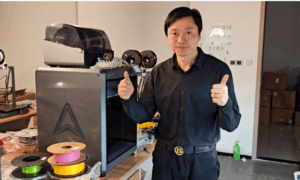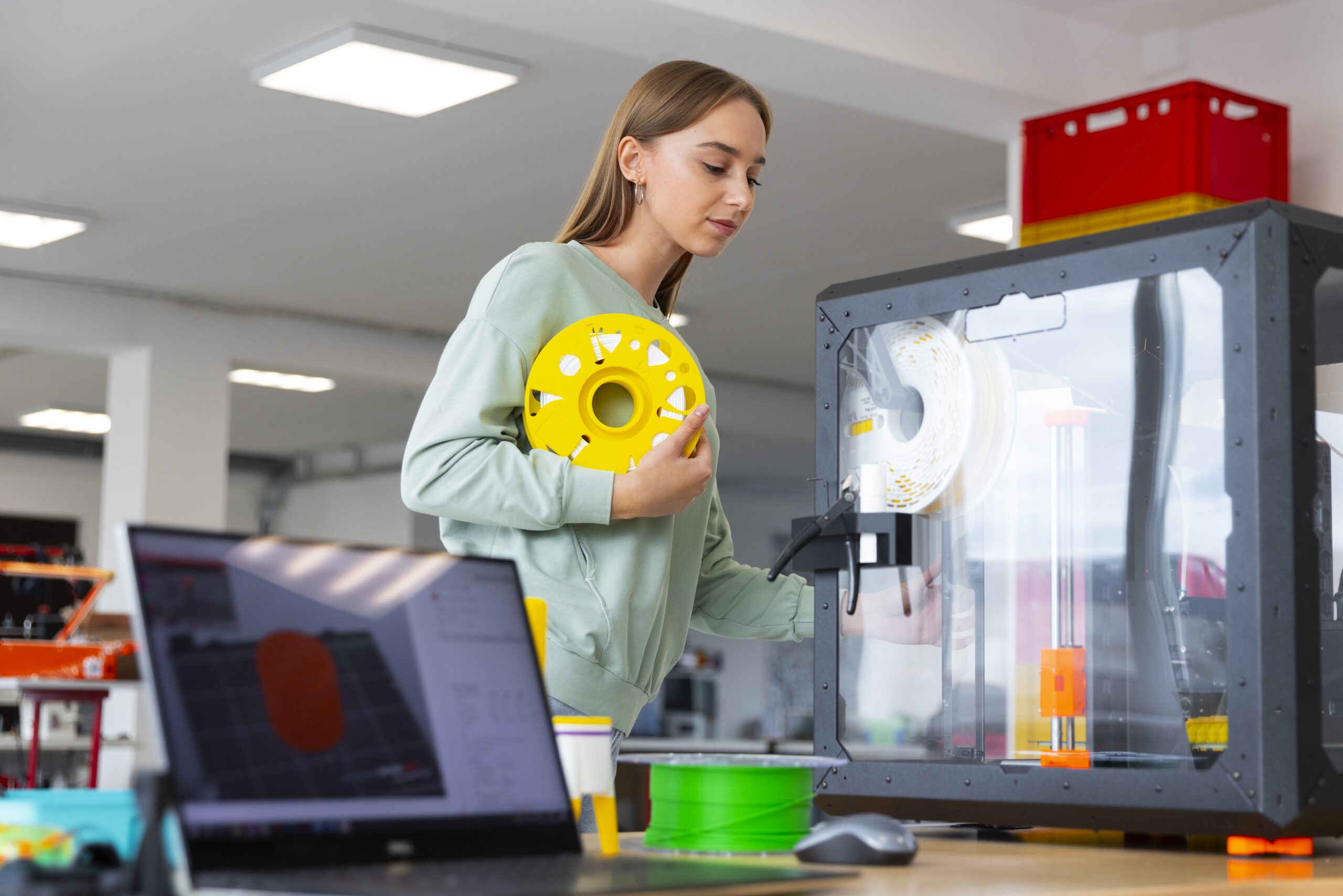
There’s something quietly addictive about watching a 3D printer work. The slow build. The layers are stacking up. The moment when a digital idea turns into a physical thing you can actually touch. For many people, that moment never really gets old.
3D printing used to feel distant — industrial, technical, reserved for engineers and labs. That version still exists, sure. But alongside it, another version has taken root. One that lives in home offices, garages, studios, and spare bedrooms. It’s personal. Sometimes messy. Often creative in ways mass production never could be.
And at the center of it all is customization. Not the marketing kind. The real kind.
Why Personal Customization Is Gaining Ground
Mass production is efficient. It’s also limiting.
Most products are designed for an abstract “average” user. Average height. Average grip. Average taste. But real people don’t live in averages. We adapt things constantly — tape over sharp edges, stack books under monitors, modify tools that almost work.
3D printing cuts straight through that compromise.
Instead of adjusting yourself to an object, you adjust the object to you. Change the size. Shift a curve. Add a hole. Remove a detail. Suddenly, something fits better — physically or mentally.
That’s why customization isn’t just about style. It’s about usefulness. A replacement part that actually fits. A holder that works with your specific setup. A design that solves a small, annoying problem no manufacturer ever noticed.
And once people experience that control, it’s hard to go back.
What People Are Actually Customizing with 3D Printing
Customization sounds abstract until you see how it shows up in daily life. In practice, people use 3D printing to personalize things like:
- Household tools and organizers adjusted to specific spaces.
- Replacement parts for items that are no longer sold.
- Desk accessories tailored to individual workflows.
- Decorative objects with personal symbols or inside jokes.
- Hobby and cosplay items that don’t exist off the shelf.
- Small fixes for everyday annoyances that never justified a purchase.
None of these are groundbreaking on their own. Together, they change how people relate to the objects around them. Things stop being disposable. They become adjustable.
From Digital File to Physical Object
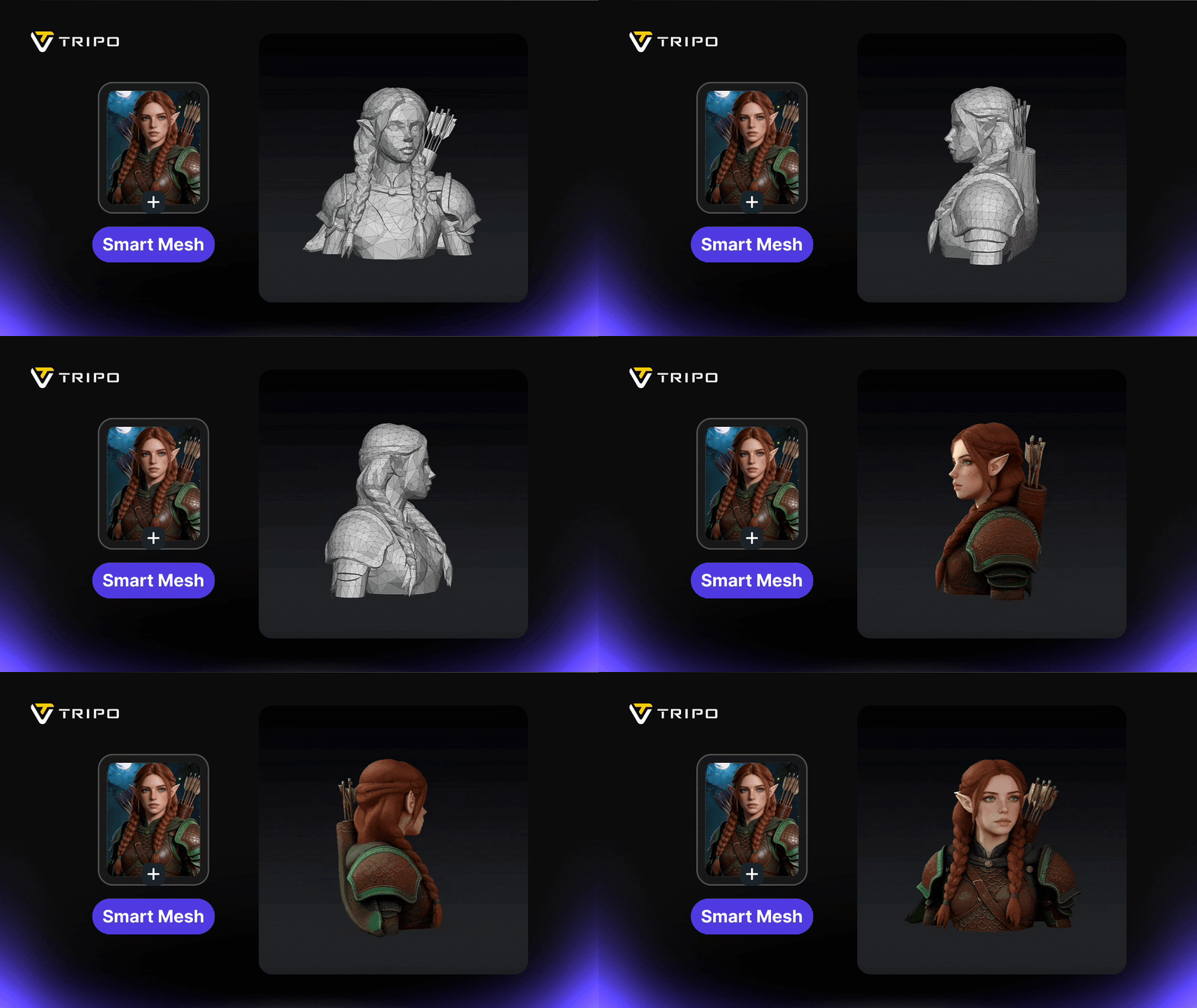
The process still feels slightly unreal. You start with a file — something intangible. A shape made of numbers. You send it to a printer, and slowly, patiently, it becomes solid.
Sometimes it works perfectly. Sometimes it doesn’t. Prints fail. Edges warp. Layers misbehave. That’s part of it.
But that trial-and-error loop is also what pulls people in. You tweak a setting. Adjust the wall thickness. Try again. Each attempt teaches you something small but useful. Over time, you stop thinking like a consumer and start thinking like a maker.
That shift matters more than the final object.
Where Platforms Fit into the Customization Process
For many people, the biggest barrier isn’t printing — it’s knowing what to print. Not everyone wants to model from scratch. Not everyone has time for that.
This is where platforms like Ixonar.com come in. It functions as a place to discover ready-to-print designs while also offering custom printing services for those who want a finished object without running a printer themselves.
Instead of hunting through untested files or starting from zero, users can browse designs that are meant to be printed, modified, and used. It lowers the friction. Less setup. Less guessing. More doing.
That kind of structure helps 3D printing move beyond hardcore enthusiasts and into more everyday use.
Why Customization Feels Different Than Buying
There’s a psychological shift that happens when you customize something instead of buying it ready-made.
You care more.
Even small choices — adjusting dimensions, picking a variation, selecting a material — create a sense of ownership that doesn’t come from clicking “add to cart.” The object isn’t just yours because you bought it. It’s yours because you shaped it.
That’s especially noticeable with gifts, personal tools, or hobby items. Customization adds context. It turns an object into a story instead of just a product.
Who 3D Printing Customization Is Especially Appealing For
While anyone can benefit from customization, it tends to resonate most with:
- People who enjoy tinkering, fixing, or improving things.
- Hobbyists and makers who like experimenting.
- Professionals needing niche or temporary tools.
- Creators who value originality over polish.
- Anyone frustrated by products that almost, but not quite, work.
These users don’t necessarily want perfection. They want control.
Learning Through Making (and Failing)
One of the most overlooked aspects of 3D printing is how forgiving it is. A failed print isn’t wasted knowledge. It’s feedback.
You learn why something didn’t work. You adjust. You try again. That loop builds confidence fast — not just in printing, but in problem-solving in general.
Compared to buying finished products, making things forces engagement. You’re involved. You notice details. You develop opinions. And that spills into other areas of life more than people expect.
Customization as a Quiet Cultural Shift
This isn’t just about gadgets or hobbies. It’s about mindset.
3D printing nudges people away from passive consumption and toward participation. You don’t wait for companies to notice your problem. You solve it. Or at least attempt to.
As tools become more accessible and platforms streamline the process, personal customization stops being a niche interest and starts feeling normal.
And once that happens, the idea of owning objects you can’t change at all starts to feel… outdated.
The Bigger Shift
3D printing didn’t rise because it was flashy. It rose because it was useful. And personal customization is the reason it stuck.
When people can adapt objects to their lives instead of adapting their lives to objects, something shifts. The things around you stop feeling fixed. They become negotiable.
Layer by layer, that’s a powerful change.