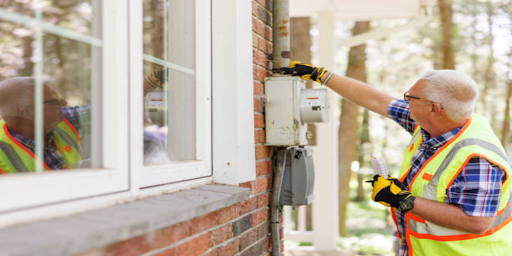
Older homes often have character, solid construction, and layouts that owners love, but their electrical systems may have been designed for a very different household.
Modern homes use far more electronics, kitchen equipment, heating devices, chargers, and connected technology than homes did decades ago.
Electrical upgrades can reduce avoidable safety risks while making everyday living more practical. The key is knowing which improvements deserve attention first rather than replacing things simply because they look old.
Electrical Upgrades Worth Prioritizing in an Older Home
Before changing outlets or installing smart devices, start by understanding the condition and capacity of the existing electrical system. Some upgrades solve safety problems, while others prepare the home for modern appliances and future technology.
1. Have the Electrical System Properly Inspected
An electrical inspection is a sensible first step because problems are not always visible. Wiring can be hidden behind walls, while overloaded circuits, loose connections, damaged components, or previous DIY work may go unnoticed.
Watch for warning signs such as:
- Frequently tripped breakers
- Warm or discoloured outlets
- Buzzing switches
- Flickering lights
- Burning smells
Homeowners looking for an electrician Winnipeg residents can rely on should choose a qualified professional familiar with local electrical requirements. A proper inspection can help identify which parts of the system are still serviceable and which may need repair or replacement.
2. Replace an Outdated Fuse Box or Electrical Panel
An older electrical panel is not automatically unsafe, but it may no longer suit the household’s electrical demands.
A professional can check its condition, available circuit capacity, breaker operation, grounding, and whether previous modifications were completed correctly. Upgrading a panel can also create room for future additions such as electric heating equipment, workshop circuits, or vehicle charging.
3. Address Old Wiring Materials
Very old houses may contain wiring systems that deserve closer inspection.
One example is knob and tube wiring, which was commonly installed in older properties. Its age, condition, previous alterations, surrounding insulation, and compatibility with modern electrical use should all be considered before deciding what work is needed.
Do not assume that every old-looking wire requires immediate removal. A qualified electrician can assess the installation and explain whether repairs, partial replacement, or a larger rewiring project makes sense.
4. Add GFCI Protection Where Electrical Shock Risk Is Higher
Ground-fault circuit interrupter protection is designed to disconnect a circuit when it detects an electrical imbalance that may indicate current flowing somewhere it should not.
These protective devices are especially important in locations where electricity and moisture may meet, including bathrooms, kitchens, garages, and outdoor areas. An electrician can determine where GFCI protection is required under current local rules.
5. Consider Arc-Fault Protection
Arc faults can occur when damaged or loose electrical connections create unintended electrical arcing.
Arc-fault circuit interrupters are designed to identify certain dangerous arcing conditions and disconnect the affected circuit. When renovating an older home or modifying circuits, ask whether arc-fault protection should be included rather than assuming ordinary breakers provide the same type of protection.
Making an Older Home More Practical for Modern Living
Electrical safety should come first, but a well-planned upgrade can also reduce the small frustrations associated with outdated homes. Adding circuits, outlets, lighting controls, and monitoring features can make rooms better suited to how families use them today.
6. Install More Properly Located Outlets
Older rooms sometimes have very few receptacles, encouraging residents to depend heavily on extension cords or multi-outlet adapters.
Adding permanent outlets where devices are actually used provides a cleaner and safer solution. It can also reduce the temptation to run long cords across floors or overload a small number of existing outlets.
Think About Furniture Before Installation
Plan outlet locations around desks, televisions, bedside tables, kitchen equipment, and charging areas. Good placement can make rooms more practical without creating unnecessary electrical clutter.
7. Create Dedicated Circuits for High-Demand Equipment
Some appliances and equipment require dedicated circuits rather than sharing one circuit with several other devices.
During renovations, consider current and future needs for kitchen appliances, laundry equipment, heating or cooling systems, workshops, and electric vehicle charging. Planning these circuits early can prevent unnecessary electrical work later.
8. Upgrade Lighting and Controls
Replacing outdated fixtures can improve both usability and electrical safety, particularly when old fixtures show heat damage, brittle wiring, or loose connections.
Modern switches can also include timers, occupancy sensors, dimming controls, or connected controls. Before installing smart switches, check compatibility with the home’s wiring because some devices require wiring arrangements that older switch boxes may not contain.
9. Improve Smoke and Carbon Monoxide Alarm Coverage
Electrical improvements are a good opportunity to review the home’s alarm system.
Smoke alarms should be positioned according to local safety requirements, with particular attention to sleeping areas and different levels of the home. Carbon monoxide alarms are also important in homes with fuel-burning appliances, fireplaces, or attached garages.
Hardwired alarms with battery backup may also be worth considering during a larger electrical renovation.
10. Add Whole-Home Surge Protection
Modern households can contain televisions, computers, appliances, networking equipment, and smart-home electronics that may be affected by electrical surges.
A properly selected surge-protection device installed at the electrical panel can form one part of a broader protection plan. It does not replace correct wiring, grounding, or device-level protection, so it should be treated as an additional safeguard rather than a solution for existing electrical problems.
Conclusion
The best electrical upgrades for an older home begin with safety, not gadgets. Inspecting the wiring, reviewing the electrical panel, improving protective devices, and adding correctly planned circuits can address weaknesses before convenience upgrades are considered.
Once the underlying system is in good condition, better outlet placement, modern lighting controls, alarms, and surge protection can make an older property easier to live with. A qualified electrical professional can help determine which improvements are worth prioritizing now and which can wait until a future renovation.