
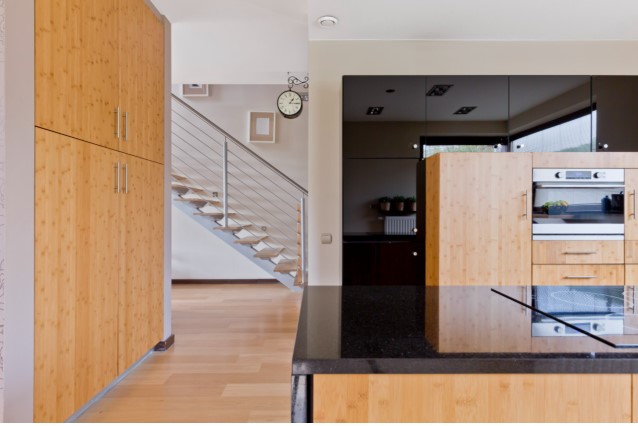
Home remodeling has traditionally been synonymous with visual upgrades—fresh paint, custom cabinetry, premium countertops. But as homeowners’ needs shift and residential living continues to evolve, the focus is moving beyond finishes. The future of home remodeling is increasingly rooted in functionality: spaces that are purposeful, adaptive, and tailored to enhance daily life.
In today’s market, a remodel is no longer just about aesthetic value—it’s about maximizing the utility, efficiency, and livability of every square foot. Here’s why functional design is defining the next era in residential renovation.
What Is Functional Design in Remodeling?
Functional design prioritizes how a space works, not just how it looks. It integrates thoughtful layouts, optimized flow, and multi-use elements to support real-world usage. This means designing kitchens for efficient cooking, bathrooms for storage and accessibility, and living spaces that accommodate work-from-home or family routines without compromise.
In practice, functional remodeling includes:
- Ergonomic kitchen layouts that minimize walking distance
- Built-in storage that eliminates clutter
- Proper lighting that supports tasks and mood
- Flexible spaces that serve more than one purpose
- Materials selected for durability and low maintenance
For companies like Optimal Home Remodeling & Design, function is not a layer added after the aesthetic — it’s foundational to every layout and build. Services such as kitchen remodeling emphasize durable design, space efficiency, and tailored ergonomics. Check out this page to learn more.
Why the Shift Toward Functionality?
Several factors are driving homeowners—and remodeling professionals—toward function-first design:
1. Lifestyle Changes
The rise of remote work, virtual learning, and home-based wellness has made flexibility essential. Families now expect their homes to support diverse needs: workstations, fitness space, study nooks, and relaxation areas—often within the same footprint.
2. Aging-in-Place Planning
As the population ages, more homeowners are investing in designs that accommodate aging safely at home. Features like wider doorways, no-threshold showers, and lever-style handles are being added long before they’re needed.
3. Space Optimization
In competitive housing markets, square footage is a premium commodity. Functional design makes every inch matter. Custom cabinetry, wall-integrated storage, and layout improvements provide utility without requiring expansion.
4. Energy and Cost Efficiency
Function-forward renovations often incorporate efficient lighting, plumbing, and HVAC design. These elements not only reduce long-term utility costs but also enhance resale value in an energy-conscious market.
Functional vs. Fashionable: A Smarter Investment
Trends in colors, fixtures, and finishes come and go. What doesn’t change is the value of a space that works well. Remodeling for function results in:
- Greater day-to-day usability
- Longer life cycle for materials and design decisions
- Improved satisfaction among household members
- Less need for follow-up remodels or add-ons
While aesthetics still matter, the foundational design must serve the occupants’ needs first. That’s where value—and longevity—are truly found.
Areas Where Functional Design Excels
Functional remodeling spans every part of the home. Here are examples of how it plays out across key spaces:
Kitchens
- Triangle layout between sink, stove, and refrigerator
- Deep drawers for pots instead of overhead cabinets
- Pull-out pantries and integrated organizers
- Durable surfaces that resist heat and scratching
Bathrooms
- Double sinks for shared routines
- Walk-in showers with seating and grab bars
- Hidden outlets inside cabinets
- Motion-sensor lighting for night use
Living Rooms
- Media storage concealed behind wall panels
- Modular furniture that adapts for guests or working
- Integrated lighting to create zones for different uses
Bedrooms
- Custom closets that maximize vertical space
- Wall-mounted task lighting to free up nightstand space
- Quiet, insulated layouts for restful sleep
Digital Tools Are Enhancing Functional Design
Home remodeling companies are leveraging technology to make functional design more accurate and accessible. Tools like 3D modeling software, laser measurement apps, and digital client collaboration platforms streamline the design process and help homeowners visualize functionality before a single hammer is lifted.
These platforms support:
- Real-time layout adjustments
- Visualization of storage and traffic flow
- Energy use simulation
- Seamless approvals and revisions
Function is no longer a trial-and-error discovery—it’s designed into the process from the start.
Construction Planning That Prioritizes Workflow
In addition to visual design, functional remodeling includes how the project is executed. Clear timelines, milestone tracking, and dedicated project managers improve homeowner experience and reduce disruptions.
Homeowners increasingly expect:
- Defined phases from demo to finish
- Budget transparency and itemized quotes
- Realistic scheduling and clear communication
- Minimal intrusion on daily routines
Remodelers who deliver function in both product and process are leading the market.
Long-Term Benefits of Function-First Remodeling
A remodeling project guided by functionality offers lasting advantages:
|
Benefit |
Description |
|
Daily Efficiency |
Spaces that support real-life movement and use |
|
Longevity |
Designs and materials that remain useful for years |
|
Accessibility |
Homes that adjust to changing physical needs over time |
|
Increased Home Value |
Higher resale appeal due to practical features |
|
Reduced Maintenance |
Fewer repairs due to smarter initial planning |
The return isn’t just financial—it’s felt in how the home lives day to day.
Why This Direction Matters for Homeowners
As market conditions fluctuate, priorities like resale value, utility costs, and day-to-day comfort stay consistent. Functional remodeling is a hedge against future dissatisfaction. It delivers substance beneath the surface. Homes designed around how people actually live are more resilient to trends and more satisfying to occupy.
Ultimately, remodeling success isn’t measured only by before-and-after photos. It’s measured in how often a space gets used—comfortably, intuitively, and without frustration.