
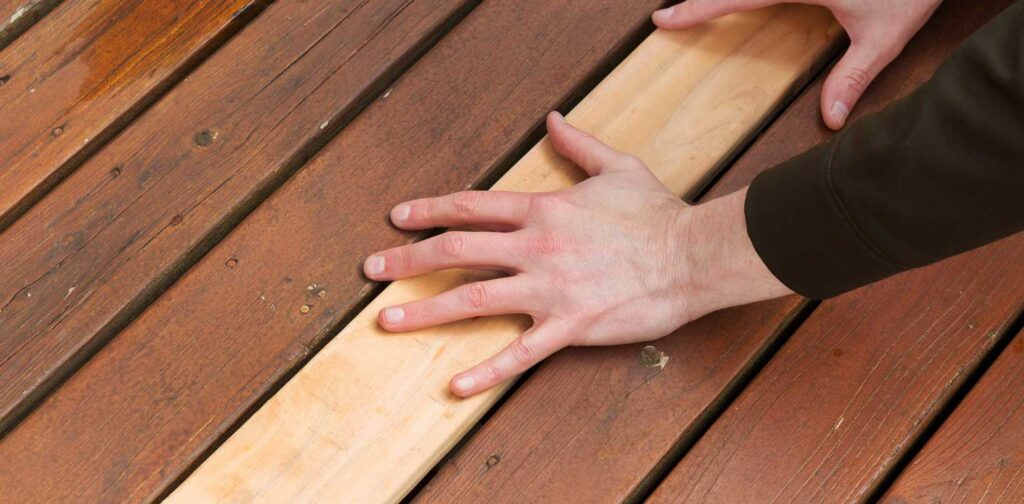
Your deck is one of the most used outdoor areas of your home. It’s where barbecues happen, family gatherings take place, and quiet evenings are enjoyed. But over time, exposure to sun, rain, snow, and daily wear can cause deck boards to weaken. Knowing when to replace deck boards is essential for maintaining safety, appearance, and long-term value.
Ignoring early warning signs can lead to costly repairs—or worse, safety hazards. Let’s explore how to tell when it’s time for replacement and what steps you should take.
Visible Cracks and Splitting
Small surface cracks may be normal with aging wood. However, deep cracks and large splits are clear warning signs.
Watch for:
- Long cracks running across boards
- Splintering that worsens over time
- Boards separating at the ends
Cracked boards weaken structural integrity and can cause injuries from splinters. If damage spreads across multiple boards, replacement becomes the safest solution.
Soft or Spongy Areas
Walk across your deck and pay attention to how it feels. If certain areas feel soft or spongy underfoot, this could indicate rot beneath the surface.
Wood rot often develops due to:
- Prolonged moisture exposure
- Poor drainage
- Inadequate sealing
Rot spreads quickly. Once boards begin to decay internally, they lose strength and stability. Prompt replacement prevents further damage to the underlying structure.
Warping and Cupping
Deck boards should lie flat and stable. Warped or cupped boards create uneven surfaces and increase tripping risks.
Common signs include:
- Boards bending upward at the edges
- Uneven surfaces between planks
- Fasteners pulling loose
Warping often occurs from moisture imbalance or aging materials. When boards no longer sit securely, replacement is usually necessary.
Loose or Rusted Fasteners
Nails and screws hold your deck boards firmly in place. Over time, fasteners can loosen or corrode.
Check for:
- Protruding nails
- Rust stains around screws
- Boards shifting when stepped on
While tightening fasteners can sometimes solve the issue, widespread corrosion often means the boards themselves have deteriorated and should be replaced.
Severe Fading and Surface Damage
Discoloration from sun exposure is normal, but extreme fading combined with rough texture may signal deeper wear.
If sanding and refinishing no longer restore appearance, it may be time for new boards. Modern materials offer improved resistance to UV rays and weather damage, extending the lifespan of your deck.
Working with experienced professionals like decksforlife.ca can help determine whether individual board replacement is sufficient or if a larger upgrade is needed.
Mold and Mildew Growth
Dark stains and persistent mold growth can indicate moisture retention problems. While surface mold can sometimes be cleaned, deep fungal growth may damage the internal structure of the boards.
If cleaning and sealing fail to stop recurring mold, replacing affected boards is often the safest option.
Age of the Deck
Even with proper maintenance, deck boards have a lifespan.
- Pressure-treated wood typically lasts 10–15 years
- Cedar may last 15–20 years
- Composite materials often exceed 25 years
If your deck is nearing the end of its expected lifespan and showing signs of wear, proactive replacement prevents sudden failures.
Safety Should Always Come First
Above all, safety is the main reason to replace deck boards. Weak or unstable boards pose risks to family members and guests.
If you notice:
- Significant sagging
- Multiple damaged boards
- Unstable railing attachments
- Widespread structural wear
It’s time for a professional inspection. Addressing issues early prevents larger structural repairs later.
Repair vs. Full Replacement
Sometimes only a few boards need replacing. However, if more than 30–40% of the surface is damaged, a larger replacement may be more cost-effective.
A professional contractor can assess:
- Structural framing condition
- Extent of surface damage
- Long-term cost comparison
Upgrading to more durable materials during replacement may also reduce future maintenance costs.
Final Thoughts
Knowing when to replace deck boards helps maintain both safety and visual appeal. Cracks, rot, warping, and soft spots are all signs that your deck may need attention.
Regular inspections and timely action can prevent minor damage from turning into major repairs. By replacing worn boards early, you protect your investment and ensure your deck remains a safe, beautiful space for years to come.