
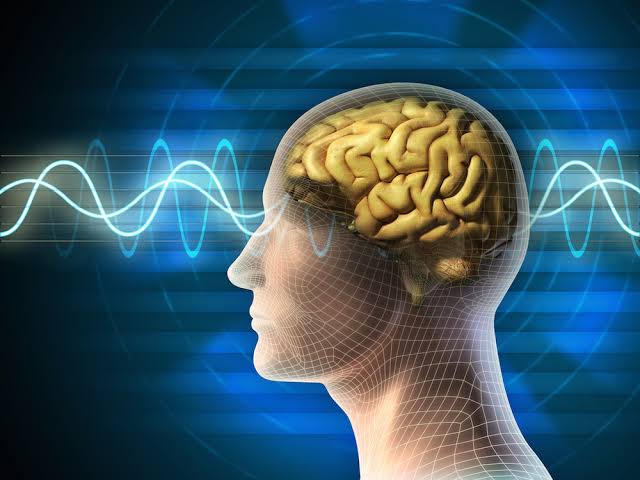
Neurofeedback therapy, also known as EEG biofeedback or neurotherapy, is a type of treatment that uses real-time feedback from a person’s brainwaves to train the brain to function more efficiently. It has been shown to be effective in treating a wide range of conditions, including anxiety, depression, ADHD, and PTSD.
If you are struggling with a mental health issue or looking to improve your cognitive performance, you may be wondering if neurofeedback therapy is right for you. In this article, we will explore the benefits and limitations of neurofeedback therapy and provide guidance on when to consider it.
What is Neurofeedback Therapy?
Neurofeedback therapy is a non-invasive treatment that involves monitoring brainwave activity using an electroencephalogram (EEG). During a neurofeedback session, small sensors are placed on the scalp to measure the electrical activity in the brain. This information is then fed back to the individual through visual or auditory cues, allowing them to observe and learn how to regulate their brainwaves.
The goal of neurofeedback therapy is to help individuals learn how to regulate their brainwaves more effectively, improving their cognitive function and reducing symptoms of various mental health conditions.
What Conditions Can Neurofeedback Therapy Help With?
Neurofeedback therapy has been shown to be effective in treating a wide range of mental health conditions, including:
Anxiety: Neurofeedback therapy can help individuals learn how to regulate their brainwaves to reduce symptoms of anxiety, such as racing thoughts and feelings of panic.
Depression: By training the brain to function more efficiently, neurofeedback therapy can help alleviate symptoms of depression, including low mood, lack of motivation, and fatigue.
ADHD: Neurofeedback therapy can be an effective treatment for ADHD by improving attention, impulse control, and executive functioning.
PTSD: Neurofeedback therapy has been shown to reduce symptoms of PTSD, such as flashbacks, nightmares, and hypervigilance.
Insomnia: By training the brain to enter a relaxed state, neurofeedback therapy can help individuals fall asleep more easily and improve the quality of their sleep.
Addiction: Neurofeedback therapy can help individuals overcome addiction by training the brain to regulate cravings and improve impulse control.
Traumatic Brain Injury: Neurofeedback therapy can be used to improve cognitive function and reduce symptoms of traumatic brain injury, such as memory problems and difficulty concentrating.
When to Consider Neurofeedback Therapy
While neurofeedback therapy can be effective for a wide range of conditions, it is not a one-size-fits-all solution. Here are some factors to consider when deciding whether neurofeedback therapy is right for you:
- You have tried other treatments: If you have tried other treatments, such as medication or talk therapy, without success, neurofeedback therapy may be worth considering. It can be used as a standalone treatment or in conjunction with other therapies.
- You are open to a non-invasive approach: Neurofeedback therapy is a non-invasive treatment that does not require medication or surgery. If you prefer a non-invasive approach to treatment, neurofeedback therapy may be a good option.
- You are willing to commit to multiple sessions: Neurofeedback therapy typically requires multiple sessions to see results. If you are willing to commit to the time and financial investment required for multiple sessions, neurofeedback therapy may be worth considering.
- You are willing to participate in the process: Neurofeedback therapy is a collaborative process between the individual and the therapist. If you are willing to actively participate in the process and learn how to regulate your brainwaves, neurofeedback therapy may be a good fit for you.
- You have a condition that responds well to neurofeedback therapy: While neurofeedback therapy can be effective for a wide range of conditions, some conditions may not respond as well. It is important to do your research and speak with a qualified neurofeedback therapist to determine if your condition is one that is likely to respond to this type of treatment.
- You are seeking a more natural approach: If you are looking for a more natural approach to treating your condition, neurofeedback therapy may be worth considering. It is a non-invasive treatment that does not involve medication, and the goal is to train the brain to function more efficiently.
Benefits and Limitations of Neurofeedback Therapy
Like any treatment, neurofeedback therapy has its benefits and limitations. Here are some of the pros and cons to consider:
Benefits
- Non-invasive: Neurofeedback therapy is a non-invasive treatment that does not involve medication or surgery.
- Personalized treatment: Neurofeedback therapy is personalized to each individual, with the goal of training the brain to function more efficiently based on their specific needs.
- Long-lasting effects: Neurofeedback therapy has been shown to have long-lasting effects, with improvements in cognitive function and mental health lasting beyond the end of the treatment.
- No side effects: Neurofeedback therapy does not have the side effects that are associated with many medications.
Limitations
- Requires multiple sessions: Neurofeedback therapy typically requires multiple sessions to see results, which can be time-consuming and expensive.
- May not work for everyone: While neurofeedback therapy can be effective for many individuals, it may not work for everyone.
- Not covered by insurance: Neurofeedback therapy may not be covered by insurance, making it a more expensive treatment option.
- Requires active participation: Neurofeedback therapy requires active participation from the individual, which may not be suitable for everyone.
Conclusion
Neurofeedback therapy can be an effective treatment option for individuals struggling with a wide range of mental health conditions, including anxiety, depression, ADHD, PTSD, and addiction. If you have tried other treatments without success, are willing to commit to multiple sessions, and are seeking a non-invasive and personalized approach to treatment, neurofeedback therapy may be worth considering.
It is important to do your research and speak with a qualified neurofeedback therapist to determine if this type of treatment is right for you. While there are limitations to neurofeedback therapy, many individuals have found it to be a life-changing treatment that has helped them improve their cognitive function and mental health.