
The United States is suffering from a lack of diesel fuel refining capacity – whether crude oil based or renewable. The price of diesel is rising rapidly here during 2022, shortages are developing, and this is having knock on effects in the supply chain and price inflation of other commodities.
Meanwhile, the US government is antagonistic toward petroleum as a feedstock, and oil companies have taken the hint as they close down crude oil refineries entirely or convert them to what is called “renewable diesel”. This concept of renewable diesel is mostly made of food crops – corn and soy beans – setting up a competition between food and fuel and causing shortages of both.
In the midst of this crisis, the EPA and local authorities are not approving the construction of new petroleum refineries. In fact, nobody is attempting to apply for such approval.
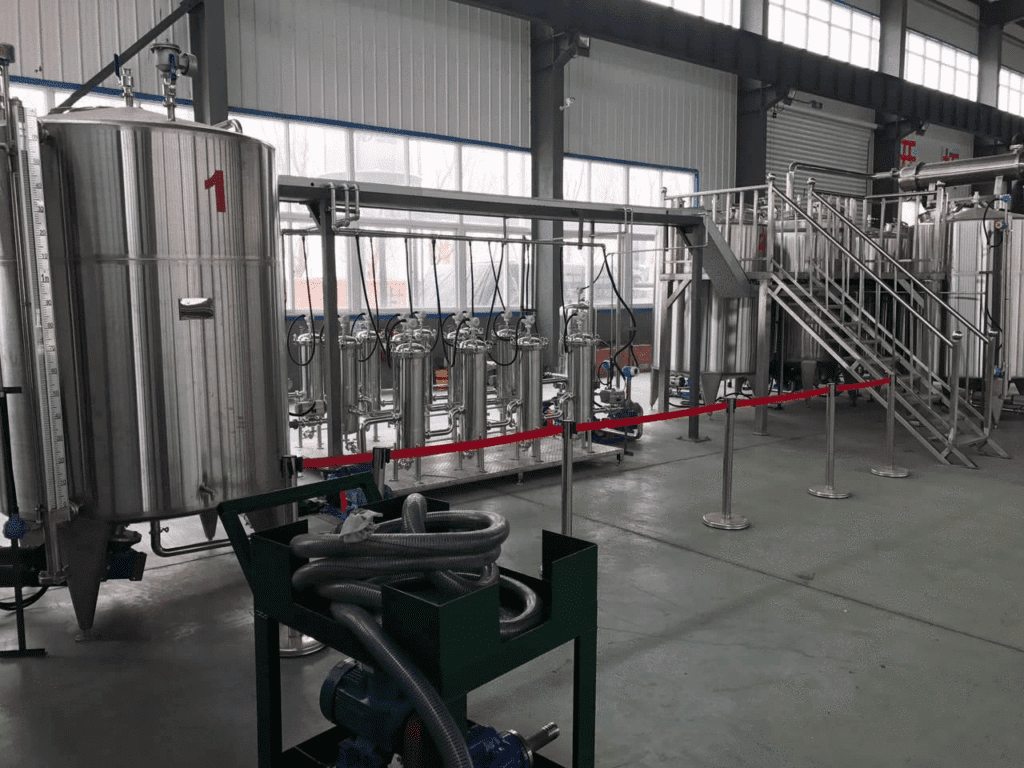
Goals of a Mini Renewable Diesel Refinery
An ideal mini diesel refinery would meet all of the following requirements:
- Producing two million gallons of fuel per month or more
- Producing a high quality, environmentally responsible fuel
- Not discharging to air or water or otherwise causing a new environmental problem
- Removing material from the waste stream and not requiring food crops
- Being located near sources of feedstock and serving local customers, thus eliminating long range transportation costs
Renewable Diesel Production Facility
A minimal 2,000 square foot building could be sufficient and up to 5,000 SF more than enough for a production area (1,000 SF), control, workshop, lab, and offices. In dry and warm climates, the production area might be put outside under an awning.
The building should be of steel frame without any wood construction inside. The building needs to be insulated and climate controlled. Sprinklers should be installed for fire suppression.
The site could be partially or completely off the grid with solar power for lights and small scale electricity, a generator for backup power and production power (600 amp) that might run off the site’s own fuel, and a well or stored water system for needs of the employees.
Equipment would include lab testing devices and regular warehouse equipment (forklift, pallet mover, tools, etc.).
If the facility were going to do its own deliveries with bobtail fuel trucks, then more space would be needed for parking and a shop for maintenance and repair.
Site of the Renewable Diesel Facility
Outside the building, the facility will need truck loading lanes – two at least would be best – and a tank farm of 250,000 gallons or more. Figuring in room for truck maneuverability, two acres would be a good minimum size. You might build on 5 to 20 acres to plan for expansion. Another nice feature would be a cardlock system, where authorized buyers could purchase and load fuel for themselves.
More site improvements would include laying down asphalt and securing the property with fencing, lights, and alarms.
Personnel at the Renewable Diesel Facility
Some alternative fuel facilities opt for highly automated operations to minimize the personnel on hand and to reduce costs. This can be a dangerous idea, since the more eyes on the production process and the more persons on hand to take action during an emergency the better.
A fully staffed facility should include a general manager, shift manager, 1 to 2 plant operators per production machine, an operator overseeing fuel loading, a lab technician for fuel testing, round the clock security, and drivers for any delivery trucks. In the office will be found a fuel salesperson or broker and bookkeeper for tracking such things as RIN credits.
Feedstock Used to Make Renewable Fuel
Feedstock has been the Achilles’ heel of renewable fuel projects thus far. Fuels based on corn and soy set up a food versus fuel competition, driving up inflation in both commodities. Fuels based on palm oil promote deforestation in the tropics. Fuels based on crop waste have a very dubious environmental impact, since the energy potential of the material is so low and the crop waste must be gathered from dozens or hundreds of miles around. Algae based fuels have never been demonstrated successfully outside the lab, and if you do the math, the whole world would have to be covered in algae ponds to replace the petroleum economy.
The petroleum economy may have a few hundreds of years left to run, but it needs to be made more efficient. Fuels can be cleaned and desulfured to burn more completely with a fraction of current pollution. Petrochemical wastes can be collected and recycled rather than disposed. These wastes include:
- Used motor and lube oils
- Used industrial solvents
- Fracking waste oil
- Waste oil from ships
- Transmix (accidently mixed oils or fuels)
- Diesel #6 (tar)
Where some of these wastes fall under hazardous waste law, regulations need to be changed to allow their use in alternative fuels. This kind of waste can only be disposed of today by burning in cement kilns, thereby enshrining a polluting situation in law and preventing innovation.
Other potential future fuel feedstocks include liquified natural gas, liquified coal, sewage and manure, and fish waste along with the kinds of wastes currently widely processed: used cooking oil and animal fats, which however are limited in supply.
Future fuel feedstocks and their processing need to adhere to these principles:
- Low cost
- Plentiful
- Green house gas emission reduction
- Removal of a waste stream
- No creation of a new waste problem
- No food versus fuel competition
- High energy potential
Desirable Qualities of the Renewable Diesel Fuel
Renewable diesel should be held to the strictest quality standards. The fuel should exhibit all of the following qualities:
- Full compliance with the diesel #2 petroleum standard (ASTM D975), allowing the fuel to be blended freely
- Low sulfur, below even the current EPA 15ppm standard at the refinery and much below the effective 40 to 75ppm level found at the pump as fuel picks up sulfur through the distribution process
- Low NOx and other smog inducing contaminants
- Low ash
- Low or no water content
- Good lubrication for engines
- Tolerance of cold weather (low CFPP or cold filter plugging point)
- Long storage time without degradation
Unmet Market for Renewable Diesel Fuel
The current biodiesel and renewable diesel industries are meeting only a fraction of the potential market demand. Biodiesel is hindered by its blending limit, since it targets a looser, dirtier fuel standard than ASTM D975 (petroleum diesel #2). Renewable diesel based on used cooking oil and animal fats are limited by the short supply and high collection costs of these wastes. The new style of renewable diesel based on corn and soy oils competes with the food market at market prices. All of the above are only sustained through government subsidies.
Huge, bulk buyers of diesel who might like to use a less polluting, renewable fuel do not find such an affordable fuel available. These buyers include wholesale distributors, marinas and ports, major shipping firms, farms/dairies/ranches, contractors, mines, backup power generation, and train operators.
Users of petroleum-based home heating oil would enjoy health benefits from a cleaner, renewable fuel, but nobody makes such a fuel in sufficient volume to supply this market.
Equipment Used to Make Renewable Diesel
Every couple years we hear of a petroleum or biodiesel plant blowing up or burning down due to some awful chemical leak. Safety must be top of mind in designing new equipment for the production of renewable diesel. The equipment must:
- Be safe to operate without caustic or explosive chemicals
- Make no discharge to air, water, or land
- Be low cost for the widest adoption
- Be easy to train personnel on
- Be low maintenance and built to last
Government Subsidies for Renewable Diesel
Renewable fuels qualify for government subsidies when they can demonstrate a green house gas reduction versus petroleum based fuel. Producers must carefully document the source of their feedstock and destination of their fuel to prevent fraud in these programs. Three main programs exist:
- IRS Biodiesel Blender’s Credit – Paid to the blender of biodiesel or renewable diesel with conventional petroleum based fuel at the rate of $1 per gallon of renewable product. The blender, who must either produce or use the fuel, takes the credit against its federal fuel tax obligation.
- RIN’s of the Renewable Fuel Standard Program – RIN’s are generated by renewable fuel producers and sold to obligated parties who might buy the renewable fuel for blending or the buy the RIN instead to avoid satisfy their obligation. The most widely traded RIN – D6 – has traded at a high of $1.65 per gallon in the last 5 years, a low of $0.11 at the depths of the pandemic, and $1.13 at this time of writing (June 2022).
- California’s LCFS (Low Carbon Fuel Standard) – A renewable fuel trading mechanism regulated by the California Air Resources Board (CARB). LCFS credits are measured in terms of metric tons of carbon monoxide reduced from emissions to the air. One metric ton of carbon traded recently at $105. California has sucked in most of the nation’s supply of used cooking oil and imports renewable fuel from Pacific Rim producers. Other states are expected to adopt regulations that expand the LCFS trading area – Washington and Colorado firstly.
Producers of biofuels from food crops are having to pay market prices for these commodities. Producers dependent on used cooking oil or animal fats are competing for a limited supply of commodities that are relatively expensive to collect. These producers live off the government subsidies. Their business models collapse without a subsidy. Petrochemical wastes are the untapped opportunity – abundant and cheap with great energy potential.
Vegas Renewable Diesel Inc. and Inventor Timothy D. Wetzel Have the Solution
The launch production site put together by Vegas Renewable Diesel Inc. in Las Vegas, Nevada ticks all the boxes of the ideal renewable diesel solution discussed above.
- The facility is small in scale
- The equipment is low in cost
- The equipment runs safely without harmful emissions
- The fuel is top quality
- The fuel qualifies as renewable by removing material from the petrochemical waste stream
- The feedstock is plentiful and cheap
- The concept opens up the renewable fuel market to buyers with unmet demand
This project is the culmination of 20+ years of research, experimentation, and construction of prototype machines by VRD Founder and Inventor, Timothy D. Wetzel. Mr. Wetzel was the first person to patent a process for making ASTM D975 compliant diesel fuel out of used cooking oil, and he has improved his processes ever since.
Tim Wetzel remarks, “There is a war against Crude Oil. My refineries can use almost any oil. Different sources of oil can be blended together and make a great feedstock. We are just a smaller version of the newest type of renewable diesel fuel and refinery process that is taking root and is the way of the future. Everybody wins from a cleaner fuel and better environment.”
Learn more about VRD at:
http://www.VegasRenewableDiesel.com
Previously in Latest News: The Wackiest Japanese Cars You Can Buy Today