
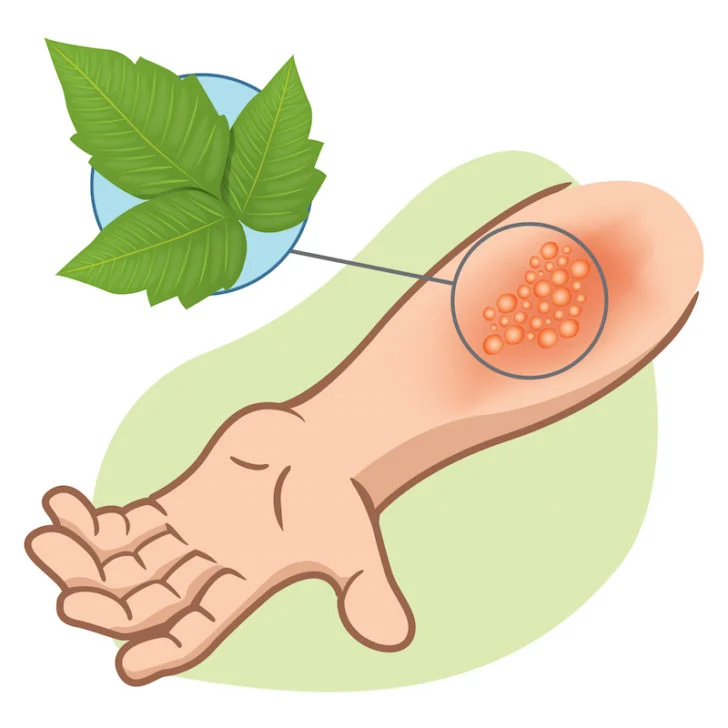
Dealing with poison ivy, oak, or sumac exposure can be uncomfortable and frustrating. These plants contain urushiol oil, which triggers allergic reactions when it comes into contact with the skin. For residents of Launceston and Tasmania, knowing how to respond effectively to such encounters is crucial. With proper first aid training, you can reduce symptoms and prevent further complications from these poisonous plants. Enrolling in a First Aid course in Launceston or attending a First Aid course in Caboolture will equip you with essential skills for handling not only plant poisonings but various emergencies that could occur during outdoor activities or daily life.
In this comprehensive guide, we’ll break down what to do immediately after contact with poison ivy, oak, or sumac, offer home remedies for relief, and discuss when you should seek professional medical care. Read on to learn the best practices for managing the itchy rashes caused by these plants and how you can prevent exposure in the future.
Immediate First Aid for Poison Ivy, Oak, or Sumac Exposure
When you come into contact with poison ivy, oak, or sumac, the first step is to act quickly to reduce the spread of urushiol oil and minimize the allergic reaction.
- Rinse the Skin Immediately: The key to reducing the effects of poison ivy, oak, or sumac is quick action. Wash the affected skin with soap and warm water within 10 minutes of exposure. The faster you can remove the urushiol oil from your skin, the lower the chances of an allergic reaction. If soap and water aren’t available, rubbing alcohol or a specialized poison plant washer can also be used to wash away the oil.
- Remove Contaminated Clothing: If you were wearing clothing that came into contact with the plant oils, remove it immediately. Wash all contaminated clothes thoroughly to avoid reinfection or further exposure to the oils.
First Aid Relief for Poison Ivy, Oak, and Sumac Rashes
After washing away the plant oil, several steps can help relieve the itching, inflammation, and discomfort caused by the rash. Below are some of the most effective home remedies and treatments:
- Over-the-Counter Creams & Lotions: For rashes that are oozing or blistering, use over-the-counter creams or lotions containing:
- Aluminum acetate (Burow’s solution)
- Aluminum sulfate
- Calcium acetate
These compounds help reduce the severity of oozing and itching.
- Calamine Lotion & Other Soothing Products: Apply calamine lotion directly to the rash. Calamine has a cooling effect, which helps reduce itching. You can also use colloidal oatmeal or baking soda paste to alleviate irritation.
- Steroid Creams: In the initial stages of the rash, applying a 1% hydrocortisone cream can help relieve the itching. However, over-the-counter steroid creams may not always be strong enough to fully treat the rash. For more severe cases, a doctor may prescribe a stronger version of the steroid cream.
- Antihistamines: Antihistamines like Benadryl (diphenhydramine) can provide relief from itching and help you sleep better at night, though they won’t directly affect the rash. It’s essential to follow the manufacturer’s dosage instructions carefully, especially for children.
- Cool Compress & Oatmeal Baths: Soaking in cool water with an oatmeal-based product or applying a cool, wet compress to the affected area for 15–30 minutes can significantly help soothe irritation.
What to Avoid When Treating Poison Ivy, Oak, and Sumac
Although it can be tempting, there are certain actions and treatments you should avoid to prevent worsening the rash:
- Don’t Scratch the Rash: Itching can be intense, but scratching the blisters can introduce bacteria and lead to an infection. Try to resist the urge to scratch, and keep your nails short.
- Avoid Specific Creams & Ointments: Some creams may make your rash worse. Don’t use:
- Antihistamine creams or lotions
- Anesthetic creams with benzocaine
- Antibiotic creams containing neomycin or bacitracin
When to See a Doctor for Poison Ivy, Oak, or Sumac Exposure
While most rashes caused by these plants resolve on their own in 1 to 3 weeks, there are cases where professional medical treatment is necessary. Make an appointment with your doctor if you notice any of the following:
- Fever over 100°F
- Pus or soft yellow scabs on the rash
- Increased itching or difficulty sleeping due to discomfort
- Rash spreading to sensitive areas such as the eyes, mouth, or genitals
- Rash not improving after a few weeks
If your doctor determines your symptoms are severe, they may prescribe an oral corticosteroid like prednisone or a stronger steroid cream. If your rash becomes infected, antibiotics might be needed.
When to Seek Emergency Care
There are specific signs that you need immediate medical attention. These symptoms could indicate a serious reaction to poison ivy, oak, or sumac, requiring emergency care:
- Trouble breathing or difficulty swallowing
- Swelling of the eyelids or the face
- Rash on the face or genitals
- Widespread itching that doesn’t respond to treatment
If any of these severe symptoms occur, go to the emergency room immediately.
Prevention Tips to Avoid Poison Ivy, Oak, and Sumac Exposure
The best way to handle poison ivy, oak, or sumac is to avoid exposure altogether. Here’s how you can minimize the risk:
- Learn to Identify Poisonous Plants: Familiarize yourself with what poison ivy, oak, and sumac look like so you can avoid them in the wild.
- Wear Protective Clothing: If you’re hiking, gardening, or spending time in areas where these plants grow, wear long sleeves, pants, and gloves to cover exposed skin.
- Wash Hands and Clothes Frequently: Always wash your hands thoroughly after spending time outdoors. If you suspect that your clothing has come into contact with these plants, wash it immediately to remove any trace of urushiol oil.
First Aid Courses in Launceston & Caboolture with Give First
Having a solid understanding of first aid for poison ivy, oak, and sumac is a valuable skill, and First Aid courses in Launceston or Caboolture Tasmania can teach you how to react effectively in such situations. Whether you’re a parent, outdoor enthusiast, or professional, learning first aid can prepare you to handle plant poisoning, as well as a wide range of emergencies.
Conclusion
Knowing what to do about poison ivy, oak, and sumac is essential to avoid prolonged discomfort and prevent more serious health issues. By following the first aid tips outlined above, you can find relief from the painful rashes and reduce the severity of symptoms. In addition, preventive measures, such as learning to identify these plants and wearing protective clothing, will help you avoid exposure.