
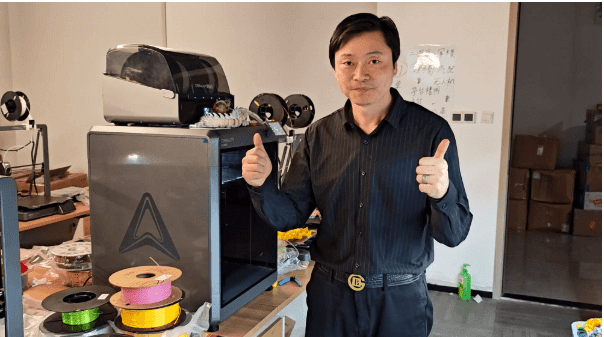
3D printing now drives actual careers across various industries. Companies use it to manufacture products more quickly, test designs faster, and create custom parts with accuracy. This shift has moved 3D printing from a hobby tool to a core part of modern work. According to Grand View Research, in 2022, the global 3D printing market was valued at $16.8 billion. Projections indicate it could exceed $72 billion by 2030. Industries such as healthcare, engineering, and product design rely on rapid prototyping. The 3D printing industry has a vast future, and so is the future of the 3D printing profession.
Do You Need a Technical Degree to Work With 3D Printing?
A technical degree is not needed for multiple 3D printing jobs. A few roles demand engineering knowledge, but several others concentrate on practical skills and creativity.
- Design Software Knowledge: Often, design roles depend on software skills. A user needs to learn how to create or modify 3D models. Equipment such as CAD software lets users make objects with precision. You can learn these skills through practice and online training.
- Printer Operation: Moreover, printer operation does not need advanced education. Users should know settings, materials, and basic troubleshooting. These skills are enhanced with practical experience.
- Basic Printing Knowledge: Business roles also coexist. Numerous people begin small businesses using 3D printing. They design products, create them, and sell them online. For this, you need basic printing knowledge and powerful product ideas.
- Materials and Settings Knowledge: You must know how different materials behave. Materials such as PLA, PETG, and TPU require different settings. Correct settings improve print quality and strength.
- Creativity and Attention to Detail: A user must design products that meet specific needs. Small details affect the final result. Careful design leads to better performance and appearance.
That said, technical degrees still matter for innovative roles. Researchers, engineers, and specialists mostly require formal education. But many entry-level and creative jobs stay open to self-taught users.
What Are the Main Types of Jobs That Use 3D Printing?
3D printing assists a wide variety of industries. Every industry uses technology for a particular purpose.
| Industry | How 3D Printing Is Used | Common Roles Involved |
| Design Industry | Creates product concepts, visual models, and prototypes for testing and presentation | Product designers, industrial designers, 3D artists |
| Manufacturing | Produces prototypes and small-batch parts to test function and reduce production time | Mechanical engineers, technicians, prototyping specialists |
| Healthcare | Builds medical models, dental products, and custom prosthetics for patient-specific needs | Dental technicians, prosthetic specialists, and medical designers |
| Creative Businesses | Produces custom products, decorative items, and collectibles for sale | Small business owners, Etsy sellers, prop makers |
| Education | Teaches design, engineering, and hands-on skills through practical learning | STEM teachers, lab assistants, makerspace coordinators |
What Jobs Actually Use 3D Printing?
Practically, there are unlimited opportunities for working with 3D printing. You need to know about these jobs if you want to pursue your career in this direction.
Design & Creative Roles
Product Designer
A product designer produces functional objects for routine usage. The designer creates digital models and prints prototypes to examine shape and usability. This procedure enhances design precision before production.
Industrial Designer
An industrial designer focuses on both appearance and function. The designer checks the product structure and surface finish through printed models. The role assists product development in consumer goods and tools.
3D Artist
A 3D artist develops visual models for animation, games, and collectibles. The artist uses 3D printing to convert digital designs into real objects. This facilitates presentation and product sales.
Jewelry Designer
A jewelry designer builds detailed and small-scale articles. The designer prints models for casting or direct usage. This process allows accurate control over design details.
Engineering & Manufacturing Roles
Mechanical Engineer
Mechanical engineers create and test mechanical parts. They use 3D printing to design prototypes fast, and it lowers development duration and enhances design precision.
Manufacturing Technician
Technicians use and maintain 3D printers. They handle print jobs, monitor quality, and manage material loading. This role assists with daily production tasks.
Rapid Prototyping Specialist
A specialist concentrates on quick product development. He creates numerous design versions in a short time. It helps teams test and refine ideas efficiently.
Aerospace Engineer
Aerospace engineers build lightweight and intricate components. The engineers utilize 3D printing for testing and specialized elements that improve performance and minimize material usage.
Automotive Engineer
Automotive engineers create vehicle parts. They print parts for examining fit and function. This procedure quickens product development cycles.
Healthcare Roles
Medical Model Designer
A designer builds models of human anatomy. Doctors use such models for planning surgeries. These models enhance precision and patient results.
Dental Technician
Technicians create dental products like aligners and crowns and use 3D printing to match patient measurements. This guarantees accuracy and consistency.
Prosthetics Specialist
A specialist designs and produces prosthetic limbs. They create custom-fit solutions for each patient. 3D printing reduces cost and improves comfort.
Creative & Business Roles
- Small Business Owner: 3D printing helps business owners produce items on demand and sell custom products. This decreases inventory prices and boosts flexibility.
- Cosplay Prop Maker: Prop makers produce costumes and accessories. They print detailed elements for events and characters. The role is a mixture of creativity and technical skill.
- Home Decor Designer: A designer produces decorative items such as vases and wall art. 3D printing helps in creating unique designs. This supports custom and small-batch production.
Education & Training Roles
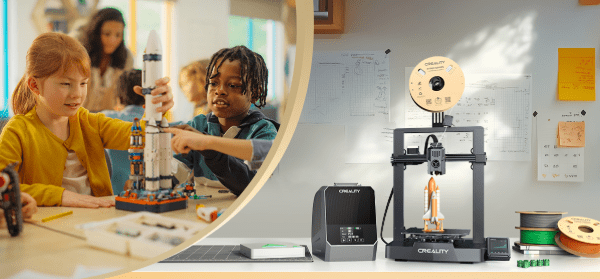
- STEM Teacher: 3D printing is perfect for STEM teachers to explain engineering and science concepts. Students can learn through practical projects that ensure better understanding and engagement.
- Makerspace Coordinator: A coordinator controls shared workspaces with 3D printers. They guide users and maintain equipment. Community learning is supported in this role.
- Lab Assistant: An assistant supports research and student projects by preparing printers and materials. Consequently, this ensures smooth lab operations.
- Curriculum Developer: Developers create learning programs that include 3D printing, such as lessons and training materials. This role supports education systems.
Is 3D Printing a Good Career Choice in 2026?
3D printing provides strong career potential in 2026. Numerous industries now depend on this technology for quick production and product development.
Manufacturing companies harness 3d printing to minimize design time. Engineers examine parts without waiting for traditional tooling. This boosts efficiency and decreases prices.
Healthcare continues to expand its use of 3D printing. Skilled designers and technicians are required to create custom devices and models for patient care.
Individuals can enter the market without big investments. Because creative industries also benefit from this technology. Small businesses and designers build custom products with low startup costs. You can start with a beginner friendly 3D printer like Creality SparkX i7.
Freelancing possibilities continue to grow. Various users offer prototyping, design, or printing services. Online platforms connect such users with global clients. These industries will continue to need skilled professionals.
Final Thoughts
3D printing supports a great variety of careers across manufacturing, design, healthcare, and business. A career in 3D printing does not always need a technical degree. Several roles rely on practical skills, creativity, and problem-solving ability. 3D printing continues to grow as a career field. If you want to start your journey, explore reliable and beginner-friendly solutions from Creality and begin building real skills with hands-on projects.
Read More From Techbullion