
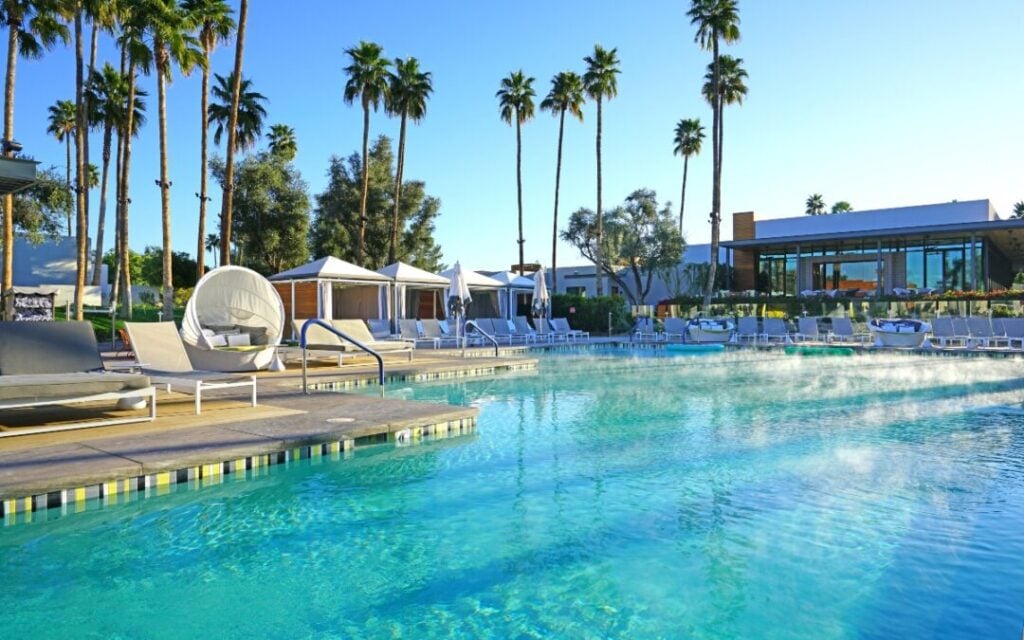
A commercial pool is any swimming pool for fun swimming. It can be in the ground or above it. It’s meant for groups, not just one family. Knowing what makes a pool commercial is key.
Commercial pools are big and serve lots of people. They’re not like home pools. You can find them in places like community centers and hotels. They’re made for everyone to enjoy.
Key Takeaways
- A commercial pool is designed to serve a group of people, typically accommodating more than one household.
- The commercial pool definition includes any swimming pool intended for recreational bathing.
- Commercial pools are distinct from residential pools due to their size, depth, and accommodation requirements.
- These pools can be found in various settings, including community centers, hotels, and resorts.
- Understanding what is considered a commercial pool is crucial for determining the necessary requirements and regulations.
- Commercial pools are built to be multi-functional, servicing a broad population of swimmers.
- The commercial pool definition encompasses a wide range of facilities, including community pools and hotel pools.
What is Considered a Commercial Pool: Definition and Classifications
A commercial pool is a body of water for more than one household. Its definition and classifications are key to knowing the types of pools and their requirements. These include public swimming facilities, semi-public pools, and pools in multi-unit residences.
It’s important to know the different types of commercial pools to follow the rules. Commercial pools are divided into six classes: A through F. Each class has its own use and features. For example, Class A pools are for competitive swimming, while Class B pools are for public fun.
Public Swimming Facilities
Public swimming facilities are open to everyone, with or without a fee. They must follow strict rules, like keeping the water clean and having safety gear.
Semi-Public Pool Categories
Semi-public pools are found in places like apartments and hotels. They also need to follow certain rules, like keeping the water chemistry right and having safety signs.
Multi-Unit Residential Pools
Multi-unit residential pools serve many households. They must meet specific rules, such as being accessible to people with disabilities and having special drains.
In short, knowing the types of commercial pools, their definition, and requirements is crucial. It ensures commercial pools are safe and fun for everyone. By understanding these, pool operators can give great experience to their visitors.
Essential Requirements for Commercial Swimming Pools
Commercial pools need special rules for safety and upkeep. The aquatics world sorts pools into four groups based on where they are, how big they are, and how they’re used. Knowing these groups is key to following pool rules and keeping them in good shape.
Important things for commercial pools include the right equipment and cleaners. For example, they might need bigger pumps, filters, and heaters to keep the water moving and warm. Also, they need regular cleaning, water checks, and chemical balancing to stay up to code.
- Equipment must be able to handle lots of users.
- Sanitizers and disinfection systems are key for clean and safe water.
- Regular upkeep, like daily chemical tests and updates to safety gear, is vital for pool safety and rules.
By following these key steps, pool owners and managers can make sure their pools are safe and fun for everyone. They also make sure they follow all the rules and standards for pool care.
Safety and Health Regulations for Commercial Pool Operations
Keeping users safe is key in commercial pools. The water must be clean, with pH levels between 7.2 and 7.8. This helps kill bacteria. Pools must also be cleaned regularly.
Public pools need cleaning every eight hours. Wading pools should be cleaned every two hours. Spas need cleaning every thirty minutes.
It’s important to have safety gear like lifeguard chairs, first aid kits, and emergency phones. Staff must be certified in lifeguarding, CPR, and first aid. Emergency plans, including AEDs, are crucial in case of emergencies.
Regular self-inspections help keep pools safe and in compliance. This ensures a safe and healthy environment for everyone.
Water Quality Standards
- pH levels between 7.2 and 7.8
- Chlorine levels within the recommended range
- Bacteria levels, including Enterococci, below the limit of 104 CFU/100 ml
Required Safety Equipment
- Lifeguard chairs
- First aid kits
- Emergency phones
- 16-foot rescue pole and 18-inch life ring buoy
By following these guidelines, commercial pools can ensure a safe and healthy environment for their users.
Conclusion: Ensuring Commercial Pool Compliance and Success
To keep a commercial pool running well, it’s key to follow all safety and health rules and use a commercial pool cover from Solar Safe Pool Covers This means keeping the pool water clean and the air inside fresh. By doing this, pool owners can make sure everyone has a good time and keep their business safe.
Local health departments should check the pool often. Keeping the pool in good shape and fixing any problems quickly is also important. Keeping records of these checks and repairs helps show that safety is a top priority. This way, pool owners can avoid big expenses and keep their business thriving.