
Introduction
In the aftermath of a disaster, whether it’s a fire, flood, storm, or another catastrophic event, property owners face the daunting task of restoring their homes or businesses to their original condition. This process is known as restoration, and it involves a variety of specialized services aimed at repairing and rebuilding damaged structures. Expert restoration services play a crucial role in this process, providing the necessary expertise, equipment, and manpower to ensure that the restoration is done efficiently and effectively.
What Constitutes Expert Restoration Services?
Expert restoration services encompass a wide range of activities, all aimed at mitigating damage and restoring properties to their pre-loss condition. These services can be broadly categorized into several key areas:
- Water Damage Restoration
-
-
- Causes of Water Damage: Water damage can result from natural disasters like floods and hurricanes, plumbing failures, roof leaks, or even HVAC system malfunctions. Regardless of the source, water damage can lead to severe structural issues and health hazards if not addressed promptly.
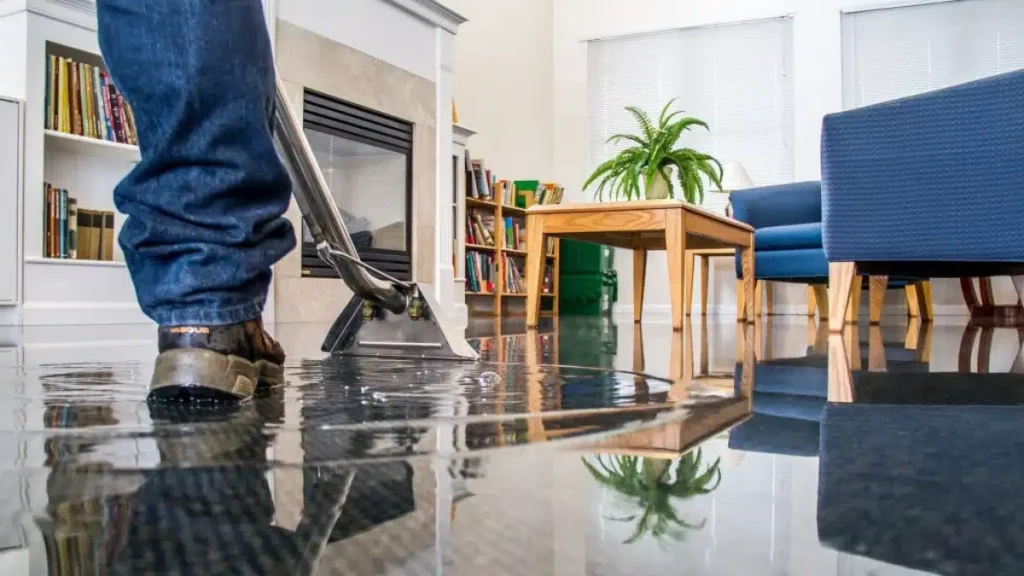
- Restoration Process: The restoration process typically involves water extraction, drying and dehumidification, cleaning and sanitizing, and finally, repairs and reconstruction. Advanced equipment like moisture meters, dehumidifiers, and air movers are used to ensure thorough drying.
-
- Fire Damage Restoration
-
-
- Impact of Fire Damage: Fires can cause extensive damage to both the structure and contents of a property. In addition to the direct effects of the flames, soot, smoke, and water used to extinguish the fire can cause further damage.
- Restoration Steps: The fire damage restoration process includes assessing the extent of the damage, securing the property, removing debris, cleaning and sanitizing affected areas, and repairing or replacing damaged structures. Smoke odor removal and air purification are also critical components.
-
- Mold Remediation
-
- Dangers of Mold: Mold can develop in as little as 24-48 hours after water intrusion, posing significant health risks and structural damage. Mold spores can spread quickly, contaminating large areas.
- Remediation Process: Mold remediation involves identifying and addressing the source of moisture, containing the affected area, removing contaminated materials, cleaning and disinfecting surfaces, and preventing future mold growth through moisture control and ventilation improvements.
- Storm Damage Restoration
-
-
- Types of Storm Damage: Storms can cause various types of damage, including wind damage, hail damage, and flooding. Each type of damage requires specific restoration techniques.
- Comprehensive Restoration: This involves debris removal, water extraction, roof repairs, window and door replacement, structural repairs, and landscape restoration. Timely intervention is crucial to prevent further damage from exposure to the elements.
-
- Asbestos Abatement
-
-
- Health Risks of Asbestos: Asbestos was commonly used in building materials but is now known to cause serious health issues, including lung cancer and mesothelioma, when its fibers are inhaled.
- Abatement Procedures: Asbestos abatement involves identifying and assessing asbestos-containing materials, containing and removing these materials safely, and conducting air quality testing to ensure the area is safe for occupancy.
-
- Biohazard Cleanup
-
- What Constitutes a Biohazard?: Biohazard cleanup involves the removal and sanitization of biological contaminants, including blood, bodily fluids, and other potentially infectious materials. This can be necessary after accidents, crime scenes, or unattended deaths.
- Cleanup Protocols: The process includes hazard assessment, containment, removal of contaminated materials, cleaning and disinfecting, and proper disposal of biohazardous waste according to regulatory standards.
Importance of Professional Restoration
Engaging professional restoration services offers several key advantages:
- Expertise and Experience: Professional restoration companies have the expertise and experience to handle a wide range of damage scenarios. They are trained to assess the extent of damage accurately and implement the most effective restoration strategies.
- Specialized Equipment: Restoration professionals use specialized equipment and technology, such as industrial-grade dehumidifiers, air movers, moisture meters, and thermal imaging cameras. This equipment ensures thorough and efficient restoration.
- Safety and Compliance: Restoration professionals adhere to industry standards and regulations, ensuring that the restoration process is conducted safely and complies with all relevant laws. This is particularly important for hazardous situations like asbestos abatement and biohazard cleanup.
- Efficiency and Speed: Time is of the essence in restoration. Professionals can quickly mobilize resources and begin the restoration process, minimizing the extent of damage and reducing downtime for businesses and homeowners.
- Insurance Coordination: Many restoration companies work closely with insurance providers, assisting with the claims process and ensuring that all necessary documentation is provided. This can significantly ease the burden on property owners.
Different Types of Restoration Services
To further understand the scope of expert restoration services, let’s delve deeper into the specific types of services commonly provided:
- Structural Drying and Dehumidification
-
-
- Process: After water extraction, the next critical step is drying and dehumidification. Professionals use advanced drying equipment to remove moisture from building materials, preventing mold growth and structural damage.
- Importance: Proper drying is essential to prevent long-term issues such as warping, swelling, and mold development. Monitoring moisture levels throughout the process ensures that the property is thoroughly dried.
-
- Content Cleaning and Restoration
-
-
- Scope: In addition to structural restoration, contents such as furniture, electronics, documents, and personal belongings also require attention. Restoration professionals use specialized techniques to clean, sanitize, and restore these items.
- Techniques: Techniques include dry cleaning, wet cleaning, ultrasonic cleaning, and freeze-drying for documents. Content cleaning helps salvage valuable items and reduces the overall loss.
-
- Odor Removal and Air Purification
-
-
- Sources of Odors: Odors can linger after a fire, water damage, or mold infestation. These odors are often caused by smoke particles, mold spores, and other contaminants.
- Solutions: Professionals use air scrubbers, ozone generators, and thermal fogging to neutralize and remove odors. Air purification is essential for restoring indoor air quality and ensuring a safe living environment.
-
- Reconstruction and Repairs
-
-
- Extent of Repairs: Severe damage may require extensive reconstruction and repairs. This can include replacing drywall, flooring, roofing, and other structural components.
- Integrated Services: Many restoration companies offer integrated services, handling both the initial mitigation and the subsequent reconstruction. This ensures continuity and quality throughout the restoration process.
-
- Environmental Remediation
-
-
- Scope: Environmental remediation includes addressing issues such as lead paint, asbestos, and chemical spills. These hazardous materials require specialized handling and disposal.
- Protocols: Professionals follow strict protocols to contain, remove, and dispose of hazardous materials, ensuring the safety of occupants and compliance with environmental regulations.
-
- Emergency Response and Board-Up Services
-
- Immediate Actions: After a disaster, securing the property is a top priority. Emergency response teams provide board-up services to protect the property from further damage and unauthorized access.
- Temporary Solutions: These services also include temporary power and climate control solutions to stabilize the property until permanent repairs can be made.
Choosing the Right Restoration Service Provider
Selecting the right restoration service provider is crucial for a successful restoration process. Here are some key factors to consider:
- Certifications and Training
-
-
- Industry Standards: Look for providers with certifications from recognized industry organizations such as the Institute of Inspection, Cleaning and Restoration Certification (IICRC) or the Restoration Industry Association (RIA). These certifications indicate that the company adheres to industry best practices and standards.
- Ongoing Training: Ensure that the company invests in ongoing training for its staff to stay updated with the latest techniques and technologies.
-
- Experience and Reputation
-
-
- Track Record: Choose a company with a proven track record of successful restoration projects. Ask for references and read online reviews to gauge customer satisfaction.
- Specializations: Some companies may specialize in certain types of restoration (e.g., fire damage, mold remediation). Ensure that the company has experience with the specific type of damage you are dealing with.
-
- Response Time and Availability
-
-
- 24/7 Availability: Disasters can happen at any time, so it’s important to choose a company that offers 24/7 emergency response services.
- Quick Response: A quick response can significantly reduce the extent of damage and speed up the restoration process. Ask about the company’s average response time.
-
- Comprehensive Services
-
-
- One-Stop Solution: Look for a provider that offers comprehensive services, from initial assessment and mitigation to reconstruction and final repairs. This can streamline the restoration process and ensure consistent quality.
- Insurance Coordination: A company that works closely with insurance providers can help expedite the claims process and reduce the burden on property owners.
-
- Customer Service and Communication
-
- Clear Communication: Effective communication is key to a smooth restoration process. Choose a company that provides clear and regular updates throughout the project.
- Customer Support: Responsive customer support can address any concerns or questions you may have during the restoration process.
Conclusion
Expert restoration services are essential for recovering from disasters and restoring properties to their original condition. Whether dealing with water damage, fire damage, mold, storm damage, asbestos, or biohazards, professional restoration companies have the expertise, equipment, and experience to handle a wide range of restoration scenarios. By understanding the different types of restoration services and choosing the right provider, property owners can ensure a successful and efficient restoration process, minimizing downtime and reducing stress. When disaster strikes, having a trusted restoration partner can make all the difference in getting your life or business back on track.
Read More From Techbullion And Businewswire.com