
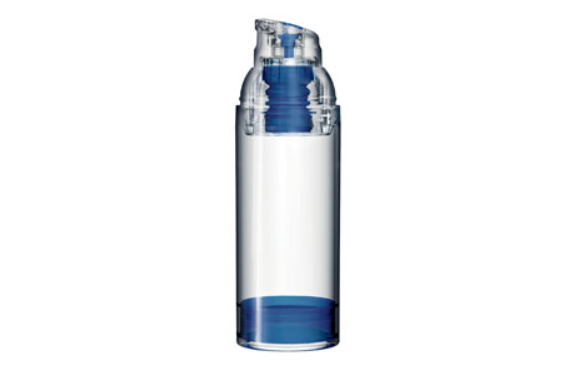
Airless dispensing devices have revolutionized the way sensitive formulations are packaged and delivered across various industries, including pharmaceuticals, cosmetics, and personal care. These innovative systems protect product integrity, extend shelf life, and enhance user experience by minimizing contamination and waste.
What Are Airless Dispensing Devices?
Airless dispensing devices are packaging systems designed to dispense liquids, creams, gels, or lotions without allowing air to enter the container. Unlike traditional pumps or jars, airless systems use a vacuum mechanism or a piston to push the product upwards, ensuring that the formulation is never exposed to oxygen or external contaminants.
Key Components of Airless Dispensing Systems
- Container: Typically rigid or semi-rigid to withstand pressure changes without deforming.
- Piston or Diaphragm: Moves upward as the product is dispensed, maintaining a vacuum and preventing air ingress.
- Pump Mechanism: Activated by the user to dispense a precise amount of product.
- Nozzle or Actuator: Controls the flow and spray pattern.
Advantages of Airless Dispensing Devices
1. Enhanced Product Protection
By eliminating air exposure, airless dispensers protect oxygen-sensitive ingredients from oxidation, maintaining product efficacy over time. This is particularly beneficial for formulations containing vitamins, antioxidants, or natural extracts.
2. Extended Shelf Life
Airless packaging reduces the risk of microbial contamination, minimizing the need for preservatives and allowing longer shelf life even after opening.
3. Accurate and Consistent Dosing
These devices deliver precise doses with each actuation, improving dosing accuracy and reducing product waste.
4. Improved User Experience
Airless dispensers provide smooth and easy application, often with ergonomic designs that enhance comfort and convenience.
5. Sustainability
Airless packaging often uses less plastic than traditional containers and helps minimize product wastage, supporting environmental sustainability goals.
Applications Across Industries
- Pharmaceuticals: Ideal for dispensing sensitive topical medications, ophthalmic solutions, and nasal sprays.
- Cosmetics and Skincare: Widely used for serums, moisturizers, and sunscreens that require protection from air.
- Personal Care: Suitable for lotions, gels, and other hygiene products needing precise dispensing and contamination control.
Challenges and Considerations
- Cost: Airless packaging can be more expensive to manufacture than traditional containers.
- Formulation Compatibility: Not all formulations are suitable for airless dispensing, especially highly viscous or particulate-containing products.
- Design Complexity: The mechanical components require precision engineering and quality control.
Future Trends
The future of airless dispensing lies in smart packaging, where devices integrate sensors and connectivity to track usage, provide reminders, and enhance patient adherence in healthcare settings. Additionally, advances in biodegradable materials promise to make airless systems more environmentally friendly.
Conclusion
Airless dispensing devices represent a significant advancement in product delivery technology, combining protection, precision, and sustainability. As industries continue to innovate, these systems will play a pivotal role in meeting consumer demands for safe, effective, and user-friendly products.