
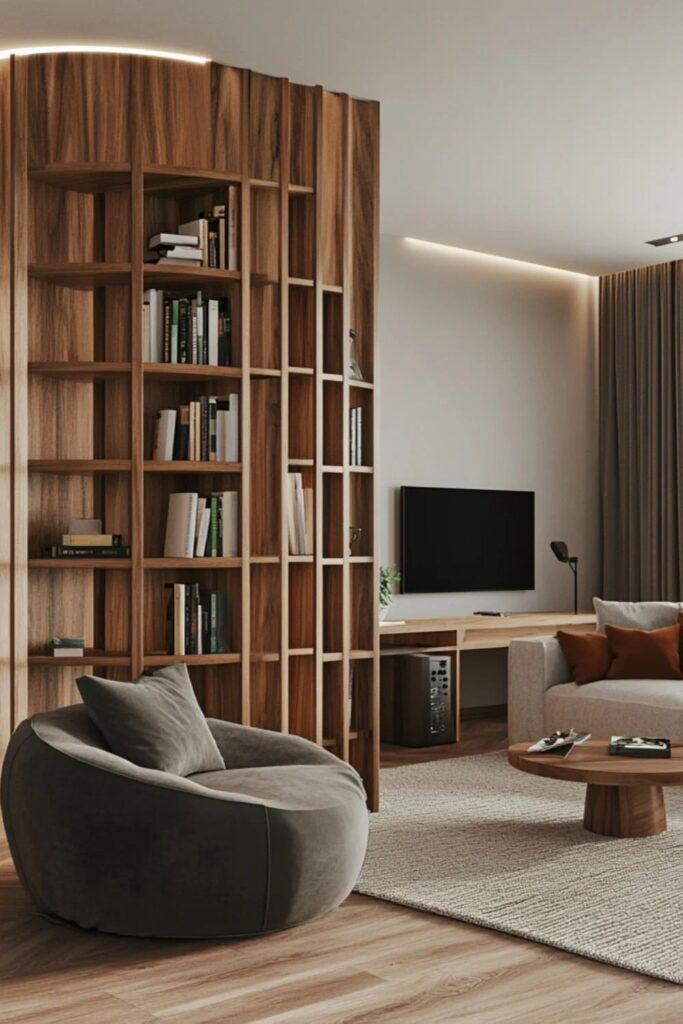
In today’s fast‑paced world, interior design and technology are blending in ways that feel nothing short of futuristic. From mood‑adjusting lighting to voice‑controlled systems, tech is making homes smarter, more functional, and stunningly beautiful.
The Smart‑Home Revolution: What It Means for Interiors
The smart‑home revolution isn’t just about convenience—it’s about creating immersive, personalized environments. Imagine walking into your living room to find the blinds automatically adjusting to the perfect shade for your favorite book reading spot, or your coffee brewing the moment you wake up. These experiences are now possible thanks to interconnected devices from brands like Philips Hue, Nest, and Sonos. Seamless integration ensures aesthetics aren’t disrupted—wires are hidden, hubs streamlined, and tech complements the décor.
Plus, integrating smart systems (lighting, HVAC, security) during the design phase allows for harmonious placement. Designers work alongside engineers to embed sensors into walls or ceilings, ensuring short cable runs and future upgrades. The result? A sleek, modern interior that feels intuitive and responsive.
Lighting: From Ambient to Emotionally Intelligent
Lighting sets the tone of any space—it can energize, calm, or inspire. Tech‑enhanced lighting systems like Lutron, Crestron, and Philips Hue offer more than dimming—they react. You can:
- Set “wake‑up” routines: lights that mimic sunrise, gradually brightening.
- Sync with entertainment: lights change color with your favorite movie or music beats.
- Schedule scenes: “Dinner time,” “Relax,” or “Workout” modes you trigger with voice or app.
With warm, recessed fixtures and discreet smart bulbs, designers can maintain a clean aesthetic. Even outlets, wall switches, and panels come in finishes that match your material palette—wood, brass, marble—for seamless integration.
Voice Control: A Designer’s New Partner
Voice assistants like Amazon Alexa, Google Assistant, and Apple’s Siri have become essential living‑room companions. These allow hands‑free control over lighting, sound, temperature, and even shades. But incorporating voice tech isn’t just about adding a device—it’s about strategic placement:
- Speakers hidden in bookshelves or ceilings provide immersive audio.
- Wall panels or flush-mounted mics integrate without disrupting design.
- Acoustic surfaces and materials help optimize sound clarity and reduce noise.
The result? A space that feels futuristic yet grounded in comfort—your smartest home yet.
Furniture Meets Function: Tech‑Infused Design
Modern furniture is getting a smart upgrade. Examples include:
- Smart tables and desks: with wireless charging, embedded USB‑C ports, and LED accents.
- Modular sofas: that sense body weight and adjust lumbar support.
- Interactive mirrors: like the HiMirror, offering lighting control, fitness tracking, and weather updates.
Designers collaborate with manufacturers to pick fabrics and shapes that suit integrated tech—ensuring charging pads are hidden, and upholstery flows smoothly across power: cord transitions.
Artful Tech: Screens as Centerpieces
Large‑format digital mirrors and displays now double as art frames. Whether showcasing rotating art, family photos, or ambient visuals, these screens become design focal points. They’ve evolved:
- Super‑thin OLED panels nearly flush with walls
- Frameless screens in custom frame finishes
- Voice or app‑controlled art mode for galleries
Particularly for high‑end projects with interior design company in Dubai, these displays elevate luxury interiors to art exhibits.
Wellness Tech: Designing for Mind & Body
As wellness takes center stage in home design, tech supports mental and physical health:
- Air‑quality sensors integrated into HVAC systems monitor CO₂, humidity, and allergens.
- Circadian lighting aligns with natural patterns to boost sleep and mood.
- Smart aromatherapy diffusers release scents based on time of day or user preference.
Subtle design choices—like hidden diffusers in shelves or vents—ensure wellness tech enhances the aura without screaming “gadget.”
Kitchen & Bathroom: Where Practical Meets Digital
Traditionally functional spaces are now incorporating intelligence:
- Smart faucets with touchless controls and preset temperatures.
- Connected ovens and fridges: recipe guidance, inventory tracking, and remote temperature control.
- Mirror displays in bathrooms show weather, news, or skincare routines.
These upgrades are designed in with matching finishes—sleek stainless steel, marble accents, and recessed sensors—to maintain upscale aesthetics.
Seamless Home Cinema & Acoustic Experiences
Home theaters are no longer boxy setups hidden in basements. Today’s cinema‑grade experiences involve:
- Flush‑mounted, Kevlar‑cone speakers integrated into ceilings and walls
- Acoustic wall panels designed as artwork
- Motorized screens and dimmable coffered ceilings synced to film
Collaboration between acoustic specialists and designers ensures both form and function.
Privacy, Security & Data Integrity
With smart systems everywhere, data security is paramount:
- Edge‑computing hubs process data locally to reduce cloud vulnerabilities.
- Network segmentation: separate IoT devices from key personal systems.
- Encrypted communications: from smart locks to surveillance cameras.
Designers coordinate with IT specialists to conceal equipment—routers hidden in cabinetry, secure charging ports, and alarm panels integrated into millwork.
Energy Efficiency & Sustainability
Smart tech also helps with eco‑conscious design:
- Intelligent climate control: optimizes energy usage room‑by‑room with smart thermostats.
- Automated shading systems: respond to sunlight, reducing cooling loads.
- Solar panels with smart inverters: display real‑time generation and usage.
When chosen thoughtfully—wood-effect panels, acoustical tiles, seamless cable channels—these systems elevate both sustainability and luxury.
Design Harmony: From Blueprint to Reality
Achieving perfect integration means bringing all parties—architects, engineers, interior designers, and technologists—on board early. A typical workflow:
- Concept: define user needs—wellness, entertainment, energy efficiency.
- Tech‑spec and sourcing: select devices that fit aesthetic goals.
- Infrastructure planning: concealed wiring, conduit raceways, future‑proof prewiring.
- Construction: coordination during wall framing, floor slabs, and trim-work.
- Setup & calibration: fine‑tune lighting scenes, automate routines.
- User training: onboarding with home‑owner for voice commands, app use, system updates.
This ensures your smart‑home feels exactly as you envisioned—elegant, intuitive, and efficient.
Choosing the Right Partner in Dubai
If you’re based in the UAE, especially in Dubai, partnering with a forward‑thinking interior design company in Dubai can make all the difference. Experienced firms offer:
- Proven track record in smart‑home installations
- Local understanding of suppliers and contractors
- Integration with regional smart tech hubs like Dubai Design District
Look for portfolios showcasing mood‑lighting, tech‑embedded furniture, and wellness design.
Future Outlook: The Home of Tomorrow
The line between home and ecosystem is blurring:
- AI interior assistants could suggest décor changes or meal pairings.
- Bio‑feedback environments adapt lighting and sound to your emotional state.
- Holographic art and ambient projections integrated in living spaces.
It’s an exciting time—homes that don’t just serve us, but learn and evolve with us.
Final Thoughts
The future of interior design isn’t just beautiful spaces—it’s intelligent, responsive, wellness‑centered sanctuaries. By merging aesthetics and advanced tech—from mood lighting to smart kitchens—you craft environments that express personality while simplifying life.
For those in Dubai, teaming up with a forward‑thinking interior design company in Dubai ensures cutting‑edge systems, stunning visuals, sustainability, and a fully immersive living experience.
Embrace the future of living—where your home isn’t just smart, it’s alive.