
Last reviewed: November 2026
Singapore’s transition to cleaner-energy transport is changing how motorists evaluate their next car. The Volkswagen Tiguan mild hybrid combines a petrol engine with electrical assistance, demonstrating one approach to supporting fuel efficiency in everyday driving. With cleaner-energy models required for all new car registrations from 2030, these choices carry growing importance.
Practical electrification, however, involves more than adopting new technology. Driving patterns, refuelling convenience, charging access, and ownership costs influence which vehicle best suits individual needs. For Singapore drivers, matching a powertrain to real usage means balancing efficiency, convenience, and environmental impact.
Practical Electrification at a Glance
- Mild-hybrid systems capture energy during braking and coasting, helping petrol engines work more efficiently without plug-in charging.
- Electric and hybrid cars already account for most new car registrations in Singapore, with different environmental outcomes.
- Assessing technology through daily use, available infrastructure, and lifetime costs gives drivers a clearer comparison.
Why Practical Electrification Depends on Driving Needs
Electrification covers distinct ways of using electricity to move a vehicle. A mild hybrid supports a petrol engine, some full hybrids can propel a car briefly using battery power, and battery-electric models rely entirely on electricity. These systems serve different driver needs.
For drivers making frequent urban journeys, electrical assistance during starts and coasting may be useful. Those with reliable overnight charging might instead value driving entirely on electricity.
Buyers of a family sport utility vehicle must consider passenger space, luggage, and longer journeys. The meaningful comparison is how each technology performs against consistent everyday driving requirements, rather than its degree of electrification alone.
How Singapore’s Transition to Cleaner-Energy Vehicles Is Evolving
Singapore’s shift is already measurable. In a February 2026 parliamentary reply, Acting Minister for Transport Jeffrey Siow stated: “Of all cars registered in 2025, 45% are electric, 40% are hybrids, and the remaining 15% are internal combustion engine cars.”
These figures show cleaner-energy uptake, although the hybrid category combines different technologies. From 2030, Singapore requires new car registrations to be cleaner-energy models, including hybrid, electric, and hydrogen fuel-cell vehicles.
Charging capacity is also changing. As of March 2026, Singapore had 30,500 charging points deployed nationwide, against a target of 60,000 by 2030. These installations serve a growing electric-vehicle market.
Greater infrastructure coverage can expand the choices available to drivers, while local charging convenience remains relevant to individual households. The resulting market supports several paths towards electrification, rather than one identical ownership experience.
A Three-Part Framework for Evaluating Electrified Vehicles
A practical Use–Access–Value framework turns interest in electrification into three distinct checks. Each factor addresses a different ownership question, and the combined answers give drivers a consistent basis for comparing powertrains.
| Factor | Key question | What to evaluate |
| Use | How do I usually drive? | Mileage, traffic, passengers |
| Access | Where can I charge or refuel? | Parking, charging, refuelling |
| Value | What will ownership involve? | Energy, fees, servicing, emissions |
1. Understand Your Driving Patterns
Record a typical week’s mileage, traffic conditions, passenger needs, and luggage requirements. Frequent starts and slow traffic create opportunities for mild-hybrid assistance, whereas longer expressway journeys place different demands on a vehicle. Published fuel-consumption figures provide a benchmark, with actual results depending on use.
2. Assess Charging Access and Convenience
Consider where the car stays overnight and during working hours. For electric vehicles, accessible charging speed, reliability, and cost affect convenience. Mild hybrids generate and recover electrical energy on board while continuing to use petrol refuelling.
3. Evaluate Ownership Value and Environmental Impact
Compare the full purchase outlay, energy expenditure, road tax, servicing, and applicable registration charges over the intended ownership period. Assess tailpipe emissions separately from financial cost, since the two can favour different options.
Together, the three checks support a conditional choice grounded in the driver’s circumstances. They also reveal information gaps to investigate before making a financial commitment.
What the Volkswagen Tiguan Mild Hybrid Demonstrates in Practice
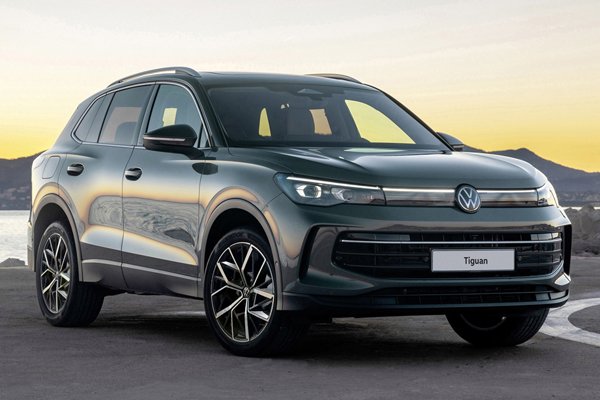
The Volkswagen Tiguan mild hybrid illustrates electrical assistance applied to a petrol-powered sport utility vehicle. Its 1.5-litre eTSI engine is paired with a 48-volt starter-generator and battery. The system recovers energy during braking and coasting, assists the engine at low speeds, and can allow engine-off coasting when conditions permit.
Volkswagen Singapore lists combined fuel consumption of 6.7 litres per 100 kilometres (L/100 km) for the Tiguan Life and 6.8 L/100 km for the Life Plus. Both versions deliver 96 kilowatts and 220 newton metres of torque. These are manufacturer-published specifications, while an individual driver’s consumption will vary with traffic, load, and driving style.
Volkswagen’s information on mild-hybrid engine technology explains the electrical system in greater detail. Beyond propulsion, shoppers can assess passenger comfort and luggage space alongside running costs. The Tiguan provides a concrete technology example, with the final decision depending on how its broader capabilities match the owner’s needs and typical journeys in Singapore.
Where Mild Hybrids Fit and Where Electric Vehicles Offer Greater Benefits
Fully electric vehicles (EVs) produce zero tailpipe emissions, while mild hybrids still burn petrol. Singapore’s incentives distinguish these technologies. In a September 2025 joint release, the Land Transport Authority and National Environment Agency stated: “Only EVs will receive rebates.”
This refers to the revised Vehicular Emissions Scheme (VES), effective from January 2026. Volkswagen lists the Tiguan in VES Band C1, which carries a S$7,500 surcharge for 2026 car registrations. Environmental impact and applicable charges deserve consideration when weighing ownership options.
How Singapore Drivers Can Make a More Informed Choice
Apply the framework to a typical week’s driving. Check the complete purchase price and applicable charges, then review Volkswagen’s servicing requirements and maintenance schedules to understand routine upkeep.
Finally, arrange a test drive covering familiar conditions, including parking, slow traffic, and expressway travel. Compare the vehicle’s comfort, visibility, and response with your actual requirements, and ask a Volkswagen specialist to explain any remaining technical questions.
Frequently Asked Questions
Does the Volkswagen Tiguan mild hybrid need external charging?
No. The system charges its 48-volt battery by recovering energy when braking and coasting, so the driver uses petrol refuelling rather than a charging cable.
Can the Volkswagen Tiguan mild hybrid drive on electricity alone?
No. Its starter-generator assists the petrol engine without powering the wheels independently. Engine-off coasting allows the vehicle to continue rolling under suitable conditions, which differs from electric-only driving.
What should Singapore drivers consider when choosing a mild hybrid?
Check the chosen variant’s published fuel consumption, emissions classification, and complete on-road quotation. Confirm warranty coverage for mild-hybrid components and assess its passenger space and luggage capacity against your daily requirements.
Make a More Confident Choice for Everyday Driving
The Volkswagen Tiguan mild hybrid illustrates a practical approach to electrified petrol driving in Singapore. Your next vehicle should fit your journeys, budget, and environmental priorities.
Explore the Volkswagen Tiguan mild hybrid and arrange a test drive to assess its suitability firsthand.
Reference and Source Links
- https://www.mot.gov.sg/news-resources/newsroom/addressing-concerns-relating-to-public-charger-quality-and-charger-interoperability-issues-to-encourage-continued-purchase-of-electric-vehicles/
- https://www.mot.gov.sg/news-resources/newsroom/deployment-of-ev-charging-infrastructure-in-new-towns/
- https://www.lta.gov.sg/content/ltagov/en/industry_innovations/technologies/electric_vehicles/transitioning_to_evs.html
- https://www.lta.gov.sg/content/ltagov/en/newsroom/2025/9/news-releases/extension_of_ves_and_eeai_to_support_vehicle_electrification.html
- https://onemotoring.lta.gov.sg/content/onemotoring/home/buying/upfront-vehicle-costs/tax-structure.html
Read More From Techbullion
Previously in Business news: How Task Management Software Helps Teams Manage Tasks and Deadlines