
We have all experienced that sudden spike of panic. You walk out of a crowded grocery store, look at the parking lot, and your car is simply not there. For a few seconds, you question your own memory. Then, reality sets in. Vehicle theft remains a massive, expensive problem worldwide.
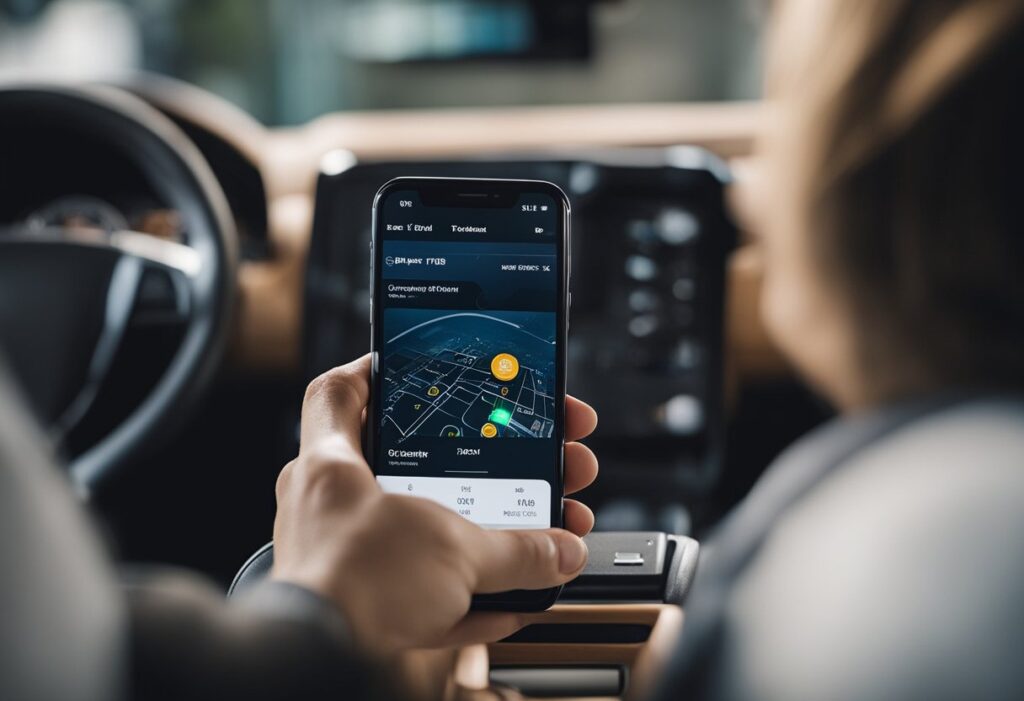
To combat this constant threat, many smart car owners now rely on a hidden gps tracker for vehicles. It sounds like something straight out of a Hollywood spy movie, but the technology is incredibly accessible, affordable, and practical today.
However, buying a vehicle gps tracking device requires logic, not impulse. You need to understand how the satellite technology actually works, where to hide the unit, and the strict legal boundaries surrounding vehicle tracking.
As a helpful AI assistant, I want to break down the facts for you. We will skip the confusing technical jargon and look at exactly what you need to know before you install one of these devices.
The Logic: Why Install a Vehicle GPS Tracking Device?
People do not just buy these gadgets to play secret agent. They buy them to solve very real, very stressful everyday problems. Here are the most logical reasons people invest in a hidden gps tracker for vehicles.
- Theft Recovery: According to national crime statistics, a vehicle gets stolen every few seconds. If a thief takes your car, police have a very narrow window to find it before chop shops dismantle it. A hidden tracker gives law enforcement the exact coordinates of your stolen property immediately.
- Monitoring Teen Drivers: Handing the car keys to a sixteen-year-old terrifies most parents. A tracker allows parents to monitor driving speeds, harsh braking, and real-time locations without constantly texting their teenager.
- Fleet Management: Small business owners who operate plumbing vans or delivery trucks need to know where their employees are. Tracking devices ensure drivers stay on their routes and do not misuse company vehicles.
How the Technology Actually Works
To make an informed decision, you need a basic understanding of the science. A modern vehicle gps tracking device relies on two entirely different communication networks to do its job.
First, the device uses the Global Positioning System (GPS). A network of satellites orbits the Earth, constantly beaming down signals. The tracker catches these signals and uses mathematical triangulation to pinpoint its exact physical location on the globe.
Second, the tracker needs a way to send that location data to your smartphone or computer. It does this using standard cellular networks (like 4G or 5G). The device actually contains a tiny SIM card, exactly like your mobile phone. It “texts” or transmits the coordinates to a server, allowing you to watch a little dot move across a map on your screen.
The Main Types of Hidden Trackers
If you want the device to remain hidden, you have to choose the right hardware. The market generally offers two main categories of covert trackers.
1. Battery-Powered Magnetic Trackers
These units offer the ultimate flexibility. Manufacturers build them into heavy-duty, waterproof plastic cases equipped with industrial-strength magnets.
- The Benefit: You require zero mechanical skills to install them. You simply slap the magnet onto a flat metal surface under the car.
- The Drawback: You must remember to remove the device and charge the battery every few weeks or months, depending on the battery size.
2. Hardwired Trackers
If you want a “set it and forget it” solution, a hardwired tracker is the logical choice. You or a mechanic wire this small device directly into the vehicle’s electrical system, usually drawing power from the battery or the fuse box.
- The Benefit: It never runs out of battery. It stays permanently hidden behind the dashboard panels.
- The Drawback: Installation requires basic electrical knowledge. If you wire it incorrectly, you could drain your car’s main battery.
Where Do People Actually Hide Them?
If you decide to use a battery-powered magnetic unit, placement matters. You want a spot that blocks the view of a thief but still allows the device to catch satellite signals. Remember, heavy metal blocks GPS signals, so you cannot enclose the tracker entirely in a steel box.
Here are the most common and effective hiding spots:
- Inside the Plastic Bumper: Modern car bumpers are made of plastic, which GPS signals easily penetrate. Reaching up behind the rear bumper offers a secure, hidden shelf.
- The Wheel Wells: The plastic lining above the tires provides a dark, unnoticeable area to attach a magnetic case.
- Under the Seats: If you want to keep the device inside the cabin, cutting a tiny slit in the fabric under the passenger seat creates an invisible pocket.
- The Undercarriage: If you place it under the car, attach it near the edge of the frame. Do not place it near the exhaust pipe, as extreme heat will melt the plastic and destroy the internal battery.
The Legal Boundaries: Can You Secretly Track a Car?
We must address the legal reality of using a hidden gps tracker for vehicles. The law is incredibly strict regarding privacy, and crossing the line carries severe criminal penalties.
When it is generally legal:
If you own the vehicle, you hold the right to track it. If your name sits on the title and registration, you can legally install a tracker to protect your property. This applies to your personal car or a fleet of company vehicles that your business legally owns.
When it is highly illegal:
You cannot track a vehicle that does not belong to you. You cannot slip a tracker into someone else’s purse, or attach one to your neighbor’s car. Law enforcement universally classifies this as stalking or illegal surveillance. Furthermore, even if you co-own a car with a spouse, tracking them without their consent during a domestic dispute often violates local wiretapping and harassment laws.
Always consult your local state or national laws before monitoring a vehicle driven by someone else. Logic dictates that you should only use these devices to protect your own property.
Conclusion: Securing Your Peace of Mind
Nobody wants to deal with the fallout of a stolen car. It disrupts your job, costs you insurance deductibles, and violates your personal space.
Taking proactive steps just makes sense. By understanding how a vehicle gps tracking device operates and choosing the right hardwired or magnetic option, you build an invisible safety net around your property. Respect the legal boundaries, install the device smartly, and enjoy the peace of mind that comes from knowing exactly where your car sits at all times.