
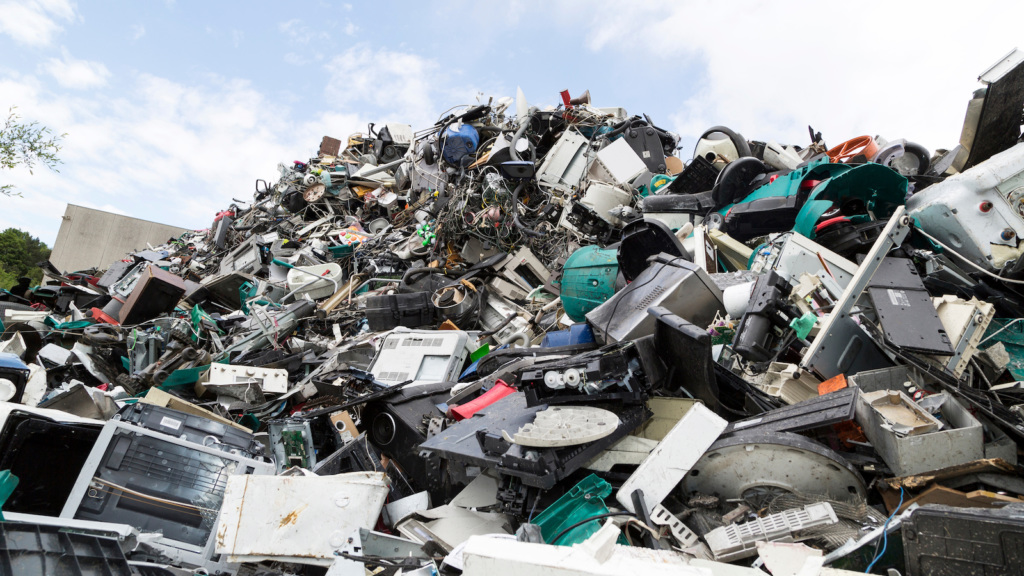
Electronic devices are deeply embedded in our lives, but what happens to your old smartphone or that antiquated laptop that no longer turns on? Odds are, they’re adding to the growing pile of electronic waste (or e-waste) generated globally. According to the United Nations, the world produces over 50 million metric tons of e-waste annually, and only about 20% of it is properly recycled. This staggering statistic highlights the urgent need for efficient e-waste recycling systems to protect our environment and conserve valuable resources.
This blog will explore why e-waste recycling is crucial, how to do it effectively, and the massive difference you can make for the environment by recycling responsibly. By the end, you’ll have actionable tips to properly dispose of your old electronics while adopting more sustainable habits.
Understanding E-Waste and Its Impact
What is E-Waste?
E-waste consists of discarded electronic devices, including smartphones, computers, TVs, appliances, and even accessories like chargers and headphones. This waste often contains valuable materials like gold, silver, and copper, but it also harbors hazardous materials such as lead, mercury, and cadmium, posing severe health and environmental risks when improperly handled.
Why is E-Waste a Global Problem?
The production and disposal of electronic devices have skyrocketed over the past two decades. Here’s why this is so concerning:
- Toxic Pollution: When sent to landfills, e-waste components can leach dangerous chemicals into the soil and water supply.
- Greenhouse Gas Emissions: Extracting and refining raw materials for electronics emits vast amounts of greenhouse gases. Recycling can significantly reduce these emissions.
- Resource Depletion: Many electronic devices contain non-renewable metals, and without recycling, we’re needlessly depleting the planet’s finite resources.
- Health Risks: Improperly handled e-waste exposes workers to toxic substances, contributing to respiratory issues, neurological damage, and other health challenges.
Benefits of Recycling E-Waste
Recycling e-waste isn’t just about cleaning up landfills; it has far-reaching benefits for the planet and society:
- Conserving Natural Resources: Recycling allows the recovery of metals and materials that can be reused in new devices, reducing the need for mining.
- Reducing Pollution: Proper recycling prevents hazardous substances from contaminating the environment and reduces carbon emissions from raw material extraction.
- Job Creation: The e-recycling industry generates jobs in collection, transportation, and material recovery, boosting local economies.
- Supporting a Circular Economy: By recycling electronics, we move closer to a sustainable, circular economic model where waste is minimized, and resources are reused.
How to Recycle E-Waste Effectively
1. Assess Your Old Electronics
Before discarding any device, ask yourself these questions:
- Could this be donated or repaired?
- Are there components I can reuse (e.g., cables or adapters)?
Instead of immediately throwing your electronics away, consider extending their lifespan through repair or donation to someone who can use them.
2. Find Certified E-Waste Recyclers
Look for certified e-waste recycling facilities in your area. Certifications like e-Stewards and R2 (Responsible Recycling) ensure that your devices will be processed responsibly. Many cities provide drop-off locations or events for e-waste collection. A quick web search with terms like “e-waste recycling near me” can help locate facilities or programs in your region.
3. Participate in Manufacturer Take-Back Programs
Many electronics manufacturers and retailers offer take-back programs to ensure recycled devices are handled responsibly. Examples include:
- Apple’s Trade-In Program: Exchange old devices for credit or recycling.
- Best Buy’s Recycling Program: Offers free recycling for most electronic items.
- Dell Reconnect: Partners with Goodwill to recycle used computers and accessories.
Check the manufacturer’s website to see if they have a take-back program in place.
4. Properly Wipe Data from Your Devices
Before recycling or donating electronics, protect your data by securely erasing all personal information. Many devices have built-in factory reset options, but using data-wiping software can provide an added layer of security.
5. Be Mindful of Small Devices
Don’t overlook small electronics like old headphones, chargers, and batteries. They may seem insignificant but collectively contribute massively to e-waste. Many stores, like Staples or Target, provide drop-off bins for small electronics and batteries.
6. Educate Yourself and Others
Knowledge is power. By understanding and promoting responsible e-waste practices, you can influence friends, family, and colleagues to recycle their devices properly.
What Happens to Recycled Electronics?
Once you hand off your electronics to a recycler, the breakdown process begins:
- Sorting: Devices are sorted based on type and condition. Recyclable materials are separated from hazardous or non-recyclable components.
- Disassembly: Recyclers manually or mechanically break down devices into smaller parts.
- Material Recovery:
- Metals like gold, silver, and copper are extracted and refined.
- Plastic components are processed and repurposed.
- Hazardous materials are safely disposed of to prevent environmental damage.
- Reintegration: Recovered materials are reintroduced into manufacturing for new products, reducing the need for virgin resources.
How You Can Make a Difference
Electronic waste Recycling in Queens doesn’t require a complete lifestyle overhaul, but your actions can make a measurable impact. Here are a few ways to contribute to a more sustainable future:
- Buy Smart: Opt for durable, high-quality electronics with repairable parts. Consider devices from companies with strong take-back and recycling policies.
- Reduce Upgrades: Resist the urge to upgrade to the latest devices unnecessarily. Use your electronics for as long as feasible before replacing them.
- Donate: Give working electronics to schools, charities, or individuals who can use them. This extends their lifecycle and reduces waste.
- Advocate for Change: Support legislation promoting e-waste recycling initiatives, and encourage your workplace or community to implement recycling programs.
Small Actions Lead to Big Changes
E-waste may seem like an overwhelming problem, but it’s one we can address through thoughtful efforts and collective action. Every phone recycled, every computer properly disposed of, and every effort made to educate others about e-waste makes a powerful impact on our planet.
Start today by researching local e-waste collection locations or looking into your electronics brand’s take-back program. Together, we can reduce the environmental toll of e-waste and pave the way for a sustainable future.