
Fertility is a complex and deeply personal topic for many couples. While some conceive with ease, others face challenges that can lead to frustration, stress, and unanswered questions. Understanding the science behind fertility can empower couples to make informed decisions about family planning and seek appropriate support when needed. Here’s what every couple should know about the factors that influence fertility and the steps they can take to optimize their chances of conception.
The Basics of Fertility
Fertility refers to the ability to conceive and carry a pregnancy to term. For conception to occur, several processes must align perfectly:
- Ovulation: In women, the ovaries release a mature egg each month during ovulation. This egg travels through the fallopian tubes, where it can be fertilized by sperm.
- Sperm Quality: In men, healthy sperm with adequate motility and morphology must reach and fertilize the egg.
- Timing: Fertility peaks during a woman’s ovulation window, which is typically the most fertile period in her menstrual cycle.
- Uterine Environment: After fertilization, the fertilized egg must implant successfully in the uterus for a pregnancy to begin.
Disruptions in any of these processes can impact fertility, but the good news is that many challenges are manageable with the right knowledge and care.
Factors That Affect Fertility
Several factors can influence fertility, including:
- Age: Fertility declines with age, particularly for women after the age of 35, due to a decrease in egg quality and quantity. Men may also experience a gradual decline in sperm quality as they age.
- Lifestyle Choices: Smoking, excessive alcohol consumption, poor diet, and lack of exercise can negatively impact both egg and sperm quality.
- Health Conditions: Conditions such as polycystic ovary syndrome (PCOS), endometriosis, and hormonal imbalances in women, or low testosterone and varicoceles in men, can affect fertility.
- Stress: Chronic stress can disrupt hormonal balance, affecting ovulation and sperm production.
- Environmental Factors: Exposure to toxins and pollutants can impact reproductive health in both men and women.
Optimizing Fertility
Couples looking to conceive can take proactive steps to optimize their fertility:
- Track Ovulation: Using ovulation predictor kits, tracking basal body temperature, or monitoring menstrual cycles can help identify the fertile window.
- Adopt a Healthy Lifestyle: Eating a balanced diet, maintaining a healthy weight, and exercising regularly can improve reproductive health.
- Avoid Harmful Substances: Limit alcohol and caffeine intake, avoid smoking, and reduce exposure to environmental toxins.
- Manage Stress: Techniques such as yoga, meditation, or counseling can help reduce stress levels and promote hormonal balance.
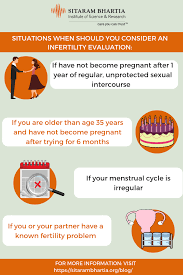
- Consult a Specialist: If conception does not occur after a year of trying (or six months for women over 35), seeking advice from a fertility specialist is recommended.
Advances in Fertility Science
Modern medicine offers a range of options for couples facing fertility challenges. Treatments like in-vitro fertilization (IVF), intrauterine insemination (IUI), and egg or sperm freezing provide hope for many. Additionally, genetic testing and hormone therapies can address underlying issues and improve the likelihood of a successful pregnancy.
Conclusion
Fertility is a multifaceted subject influenced by biological, environmental, and lifestyle factors. By understanding the science behind conception, couples can take informed steps to enhance their fertility and explore available medical options if needed. With knowledge, support, and the right care, many couples can successfully navigate their journey to parenthood.