
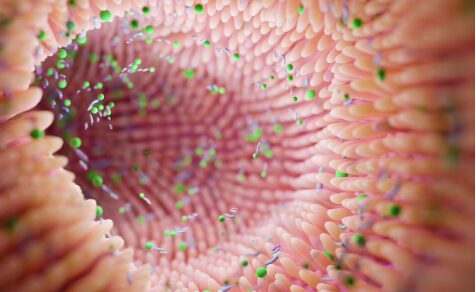
For years, probiotics have been marketed as a solution to digestive issues — a way to relieve bloating, reduce gas, and keep your gut “happy.” But a growing body of scientific research suggests that the benefits of probiotics stretch far beyond the gut. In fact, your gut microbes are intricately linked to your brain, mood, focus, and even productivity.
Welcome to the world of the gut-brain axis, where trillions of microbes living in your digestive system communicate with your central nervous system. In this article, we’ll explore how probiotics influence much more than digestion, why gut health is critical to mental clarity and emotional resilience, and how you can naturally support this relationship to improve your health from the inside out.
What Is the Gut-Brain Axis?
The gut-brain axis is a bidirectional communication network linking your gastrointestinal system and your brain. This intricate system involves:
- The vagus nerve, the longest cranial nerve, connecting the brainstem to the gut.
- Neurotransmitters, such as serotonin and dopamine, many of which are produced in the gut.
- Immune system signaling through cytokines.
- Short-chain fatty acids and other metabolites produced by gut bacteria.
This network explains why stress can upset your stomach — and why chronic digestive issues may correlate with anxiety or brain fog.
The Role of Probiotics in Gut-Brain Health
Probiotics are live microorganisms that provide health benefits when consumed in adequate amounts. They support the growth of beneficial bacteria, improve gut lining integrity, and reduce inflammation.
Probiotics Influence Brain Health Through:
- Producing neurotransmitters (such as GABA and serotonin)
- Modulating immune response and reducing neuroinflammation
- Enhancing nutrient absorption, including B vitamins essential for brain function
- Strengthening the gut lining, preventing toxins from entering the bloodstream
Common Gut Issues That Impact Your Mood and Focus
Even mild digestive issues can have a ripple effect throughout the body. Here are some ways poor gut health can impact your mental and emotional wellbeing:
- Bloating and Gas
Not just uncomfortable — bloating can reduce focus, impact posture, and signal bacterial imbalance.
- Constipation or Diarrhea
Disrupted bowel movements are associated with dysbiosis (an imbalance of gut microbes) and can correlate with mood fluctuations.
- Brain Fog
Many people with gut issues report difficulty concentrating or processing information — symptoms often alleviated with probiotic use.
Probiotics and Mental Health: What the Research Says
Several studies have highlighted the connection between probiotics and improved mental health outcomes:
- A 2020 meta-analysis published in Psychiatry Research found that probiotic supplementation significantly reduced symptoms of depression.
- Studies on mice have shown that certain strains of Lactobacillus and Bifidobacterium can reduce stress-induced behavior.
- Clinical trials have found that probiotics may help lower cortisol levels and improve sleep quality.
In short, probiotics may support your mood and stress resilience just as much as they support your digestion.
Why Probiotics Work Better When Tailored to Your Symptoms
Not all probiotics are created equal. The effectiveness of a probiotic depends on:
- The strain used (e.g., Lactobacillus acidophilus vs. Bifidobacterium longum)
- Dosage (measured in CFUs — colony forming units)
- Delivery mechanism (capsules, fermented foods, synbiotics)
- Personal microbiome makeup
This is why the best probiotic for someone with IBS may not be the same as for someone dealing with occasional bloating.
For a breakdown of the best probiotics specifically for bloating and gas, including expert-backed choices for 2025, check out this detailed review: https://www.globenewswire.com/news-release/2025/04/30/3071602/0/en/Best-Probiotics-for-Bloating-and-Gas-2025-Top-Probiotic-Gut-Health-Supplements-from-YourBiology.html
This comprehensive guide offers insight into what makes a probiotic effective and which formulas are most trusted by users and professionals alike.
How to Choose the Right Probiotic for Gut-Brain Support
If you’re looking to enhance not only your digestion but also your focus, mood, and energy levels, look for probiotic formulas that include strains shown to support both gut and neurological health.
Key Strains to Look For:
- Lactobacillus rhamnosus GG – May reduce anxiety and support gut lining.
- Bifidobacterium longum – Linked to reduced stress and improved cognition.
- Lactobacillus plantarum – Supports anti-inflammatory effects and gut integrity.
- Saccharomyces boulardii – A yeast probiotic known for its role in reducing intestinal inflammation and traveler’s diarrhea.
Also consider:
- Prebiotic inclusion – Inulin, FOS, or other prebiotics that fuel probiotic growth.
- Time-release capsules – Help probiotics survive stomach acid.
- Allergen-free formulations – Ideal for sensitive individuals.
Lifestyle Tips to Support Gut-Brain Harmony
- Eat a Fiber-Rich Diet
Fiber feeds beneficial gut bacteria. Aim for a mix of soluble and insoluble fiber from vegetables, legumes, and whole grains.
- Reduce Processed Foods and Added Sugar
These foods fuel the growth of harmful bacteria and increase inflammation.
- Practice Stress Reduction
Techniques like meditation, deep breathing, and yoga have been shown to positively impact both gut and mental health.
- Get Quality Sleep
Poor sleep disrupts the gut microbiome and impairs cognitive function.
- Exercise Regularly
Exercise promotes microbial diversity and improves neurotransmitter production.
The Future of Gut-Brain Health: Personalized Probiotics and Precision Wellness
We’re entering an exciting era in which personalized probiotic formulas — tailored to your individual microbiome and neurological needs — are becoming more accessible. Microbiome testing, AI-based recommendations, and precision nutrition are making it easier to match probiotic strains to specific health outcomes.
In this future:
- You’ll take probiotics based on your stress levels, focus demands, or sleep issues.
- Formulas will include synbiotics — a mix of prebiotics and probiotics designed to work together.
- Probiotics will be combined with nootropics, adaptogens, and mitochondrial support for whole-body enhancement.
Final Thoughts: Think Beyond the Gut
Probiotics are no longer just for digestive relief. They’re a foundational component of mental clarity, emotional stability, and daily performance. If you’re struggling with foggy thinking, unpredictable moods, or digestive distress, your gut may be the first place to look — and probiotics the first line of support.
By understanding the gut-brain axis and choosing high-quality, research-backed probiotics, you can take a powerful step toward better total-body health. Whether you start with small changes in your diet, add a carefully chosen supplement, or explore advanced microbiome tools, the path to improved wellness begins in the gut.
And if bloating and gas are persistent issues, be sure to consult the expert-reviewed guide on SynoGut to explore the best solutions for 2025 — because a balanced gut is a calm, focused mind.
Previously in HealthTech: From Memory to Mood: Why NAD Boosters and Smart Supplements Are Taking Over Biohacking